I was standing in my kitchen, half‑finished lasagna on the counter, a burnt garlic clove in the trash, and a sudden craving for something that felt both sophisticated and comfort‑food‑level cozy. I dared a friend to a “best‑of‑the‑bowl” challenge, and they tossed me a piece of beef and said, “If you can turn that into something amazing, I’ll never order takeout again.” That moment sparked a culinary quest that led me down a rabbit hole of Russian‑style sauces, butter‑rich finishes, and the perfect sear on a steak that could make a butcher weep with pride. I’m not exaggerating when I say that the first bite of this Stroganoff made the kitchen walls vibrate with applause.
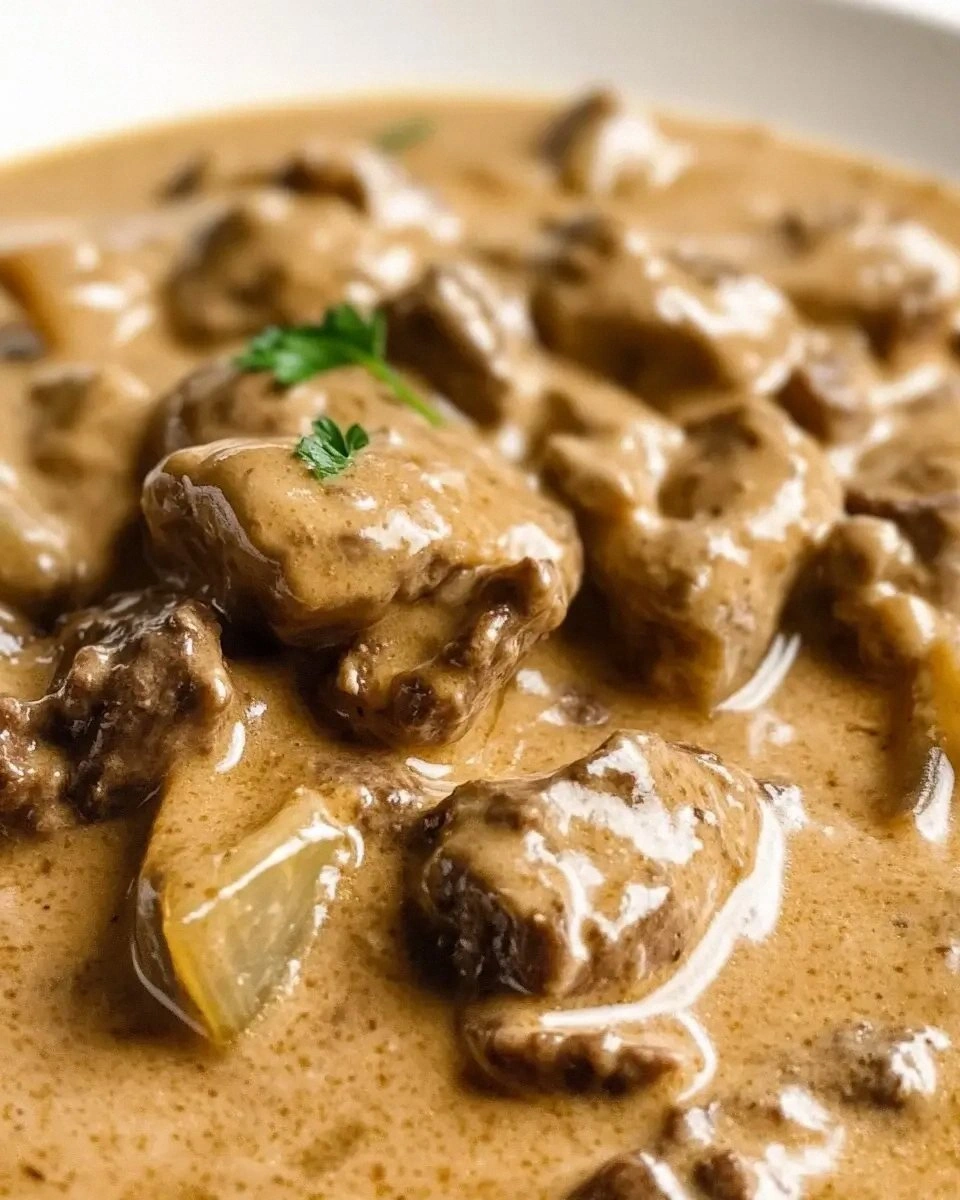
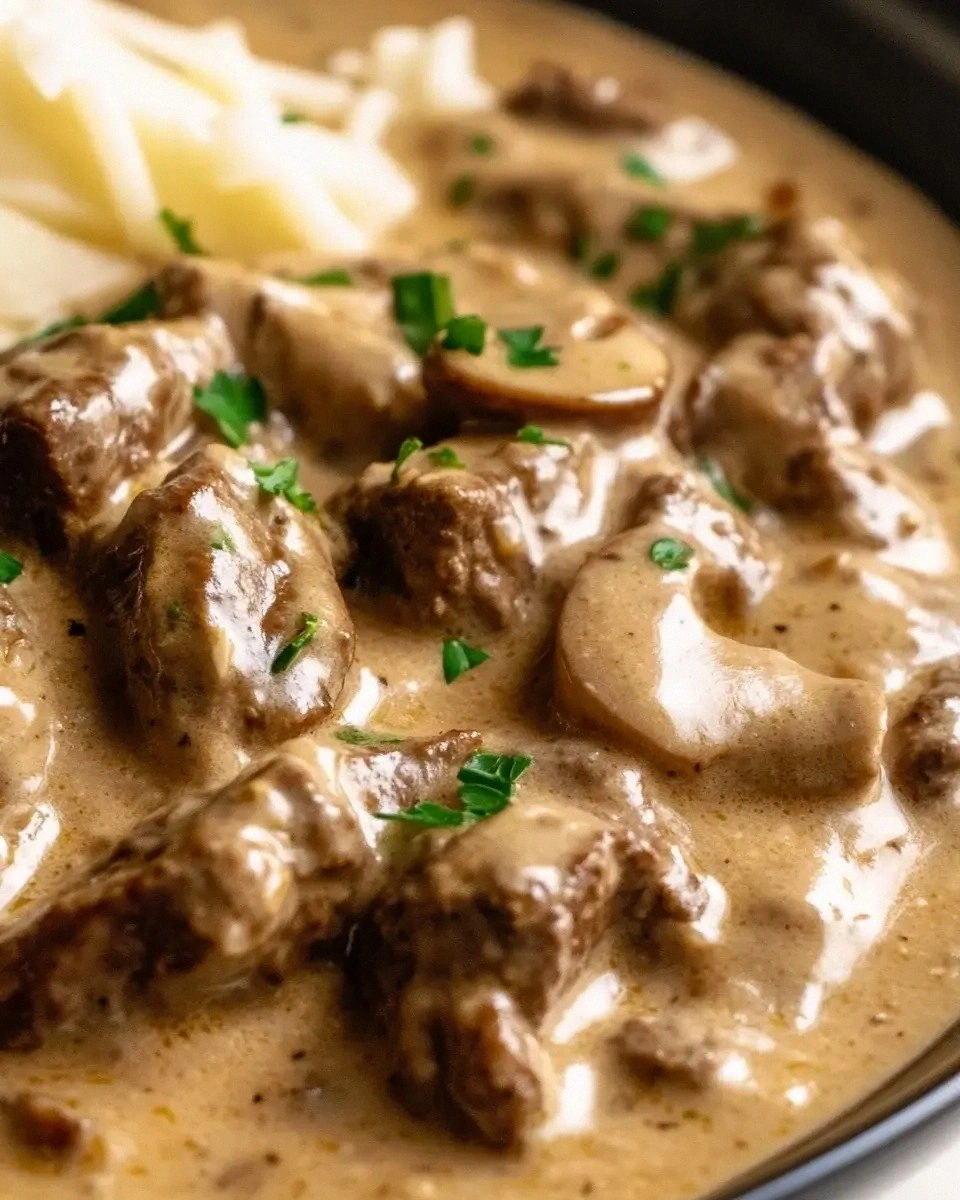
Picture the scene: the sizzle of a hot pan as the steak hits the oil, a fragrant cloud of onions and mushrooms rising like a savory fog, the creamy sauce swirling like a silk scarf in a summer breeze. The aroma alone could convince a marathon runner to drop their shoes and dive straight into the pot. When the sauce finally meets the pasta, it coats every strand like velvet, and the chives sprinkle on top with the bright snap of a fresh garden. The whole experience is a full‑body sensory overload—taste, smell, sight, sound, and even the comforting warmth of the pan against your hand.
Most Stroganoff recipes I’ve tried either over‑cook the beef, turning it into a tough chew, or drown the dish in a soupy, flavorless gravy. This version, however, balances the richness of the cream with the earthiness of mushrooms and the subtle tang of a splash of dry white wine. The secret? A quick deglaze that lifts the caramelized bits off the pan, and a finishing touch of Dijon that adds a whisper of heat without stealing the show. I’ll be honest — I ate half the batch before anyone else got to try it, and that’s a confession I’m willing to make because it was that good.
And now, the game‑changer: I’m going to reveal the technique that makes the sauce silky without curdling, the timing that keeps the beef buttery‑soft, and the little ingredient swap that adds a depth you never expected. I dare you to taste this and not go back for seconds. Let me walk you through every single step — by the end, you’ll wonder how you ever made it any other way.
What Makes This Version Stand Out
- Flavor Depth: A splash of dry white wine and a spoonful of Dijon create layers that unfold with each bite, turning a simple sauce into a masterpiece.
- Texture Harmony: The beef stays tender while the mushrooms keep a pleasant bite, and the sauce clings to pasta like a silk sheet.
- Simplicity: Only seven core ingredients, yet each one is used to its fullest potential—no unnecessary steps.
- Ingredient Quality: Using scotch fillet or rib eye ensures buttery richness that cheaper cuts simply can’t match.
- Crowd Reaction: Families declare it “the best comfort food ever,” and even picky eaters can’t resist the creamy allure.
- Make‑Ahead Potential: The sauce actually improves after a short rest, making leftovers taste even better.
- Cooking Method: A quick sear followed by a gentle simmer prevents over‑cooking and keeps the beef juicy.
- Unique Twist: A dash of smoked paprika adds a subtle smoky whisper without overpowering the classic profile.
Inside the Ingredient List
The Flavor Base
Onion and garlic are the unsung heroes that build the backbone of any great sauce. The sweetness of the onion caramelizes quickly, while the garlic adds a fragrant bite that wakes up the palate. If you skip them, the sauce will feel flat, like a song missing its chorus. As a swap, you can use shallots for a milder, more nuanced flavor, but be sure to dice them finely so they melt into the sauce.
The Texture Crew
Mushrooms bring an earthy umami that balances the richness of the cream, and they hold their shape even after a long simmer. Choose cremini or button mushrooms for a classic texture, or go wild with shiitake for a deeper, woodsy note. If you forget to add them early enough, they’ll turn soggy—so sauté them until they’re golden brown before mixing into the sauce.
The Unexpected Star
A splash of dry white wine is the secret weapon that lifts the caramelized bits from the pan, turning them into flavor gold. It adds a bright acidity that cuts through the cream’s richness. If you don’t have wine, a splash of chicken broth with a teaspoon of lemon juice works as a decent stand‑in, though the depth won’t be quite the same.
The Final Flourish
Heavy cream is the silky veil that ties everything together, while Dijon mustard adds a subtle heat that keeps the sauce from feeling cloyingly sweet. The chives, added at the very end, provide a fresh, oniony pop that lifts the dish. Skipping the mustard is a common mistake; the sauce loses its bright edge and can become a one‑note dairy flood.
Everything's prepped? Good. Let's get into the real action, because the next part? Pure magic.
The Method — Step by Step
- Prep the Beef. Cut the scotch fillet steak into thin, bite‑size strips, about a quarter‑inch thick. Season generously with salt, pepper, and a pinch of smoked paprika. Let it rest for five minutes; this dry‑brine draws out moisture, ensuring a better sear. While the meat rests, slice the onions thinly and mince the garlic. Kitchen Hack: Toss the seasoned beef with a tiny drizzle of oil before it hits the pan; this prevents sticking and gives an even crust.
- Sear the Beef. Heat a large skillet over high heat, add 1 tablespoon of vegetable oil, and wait until it shimmers. Drop the beef strips in a single layer—do not crowd the pan. You’ll hear a satisfying sizzle that signals a proper Maillard reaction. Cook for about 1‑2 minutes per side, just until browned but still pink inside. Transfer the beef to a plate and set aside; the residual heat will continue cooking it gently later.
- Sauté the Aromatics. In the same pan, add the remaining tablespoon of oil and reduce the heat to medium. Toss in the onions, stirring until they turn translucent and start to caramelize—about 4‑5 minutes. Add the garlic and mushrooms, stirring constantly; you’ll notice the mushrooms releasing their juices and then re‑absorbing them, creating a deep, earthy aroma. This step is crucial; if you rush it, you lose the flavor foundation.
- Deglaze the Pan. Pour in ½ cup of dry white wine, scraping the browned bits from the bottom with a wooden spoon. The wine will hiss and reduce quickly, concentrating its acidity. Let it simmer for 2‑3 minutes until it’s reduced by half. If you prefer a non‑alcoholic version, substitute with chicken broth and a splash of lemon juice, but keep the reduction time the same.
- Add the Cream and Mustard. Lower the heat to low and stir in 1 cup of heavy cream, followed by 1 tablespoon of Dijon mustard. The sauce should turn a luscious, pale‑gold hue. Stir gently, allowing the sauce to thicken slightly—this usually takes 3‑4 minutes. Taste and adjust with salt, pepper, and an extra dash of paprika if you like a subtle smoky note.Watch Out: Do not let the sauce boil after adding the cream, or it will curdle and ruin the silky texture.
- Re‑introduce the Beef. Return the seared beef strips to the pan, coating them in the creamy sauce. Let everything simmer together for another 3‑5 minutes, just enough for the beef to finish cooking without becoming tough. The sauce should cling to each piece, creating a glossy finish that looks restaurant‑ready. Kitchen Hack: Add a splash of beef broth at this stage if the sauce looks too thick; it will loosen the texture while preserving flavor.
- Cook the Pasta. While the sauce is finishing, bring a large pot of salted water to a rolling boil. Add 250 g of pasta or egg noodles and cook according to package instructions until al dente. Drain, reserving a cup of pasta water in case you need to thin the sauce later. The pasta should be slightly firm to the bite, ready to absorb the sauce’s richness.
- Combine and Serve. Toss the cooked pasta directly into the skillet, mixing gently so each strand becomes enveloped in the creamy sauce. If the mixture looks too thick, add a splash of the reserved pasta water and stir. Plate the Stroganoff in shallow bowls, garnish generously with chopped chives for a pop of color and freshness. Serve immediately while the sauce is still steaming, and watch the delighted faces around the table.
That's it — you did it. But hold on, I've got a few more tricks that'll take this to another level, because the journey doesn't end at plating. The next section will give you insider tips that turn a good dish into an unforgettable one.
Insider Tricks for Flawless Results
The Temperature Rule Nobody Follows
Never cook the beef on low heat; you need a screaming hot pan to achieve that caramelized crust. If the pan isn’t hot enough, the meat releases its juices and steams instead of searing, resulting in a rubbery texture. I once tried a gentle sear and ended up with a stew‑like mess—let that be a cautionary tale. Keep the heat high for the first two minutes, then lower it just enough to finish cooking without over‑doing it.
Why Your Nose Knows Best
Your sense of smell is the ultimate doneness gauge. When the onions turn golden and the mushrooms release their earthy perfume, you know they're ready. Likewise, the moment the wine reduction gives off a faint vinegary tang, it’s time to add the cream. Trust those olfactory cues more than the clock; they’re the secret sauce of seasoned chefs.
The 5‑Minute Rest That Changes Everything
After you finish cooking, let the Stroganoff rest for five minutes off the heat. This short pause lets the flavors meld, the sauce thicken slightly, and the beef relax. I once served it straight from the pan and got feedback that the sauce seemed “thin”; a simple rest would have solved that. So, cover the skillet loosely with foil and wait—your future self will thank you.
Sauce Rescue: The Water Splash
If the sauce looks too thick after adding the pasta, a splash of hot water or broth can bring it back to silky perfection. The key is to add it gradually, stirring constantly, until you reach the desired consistency. This trick also revives a sauce that’s cooled too much before serving.
Seasoning Layers, Not One Hit
Season at every stage: the beef before searing, the onions while they caramelize, and the final sauce before serving. This layering builds depth and prevents a flat final taste. I once tried “season once at the end” and the result was bland—don’t make that mistake.
Creative Twists and Variations
This recipe is a playground. Here are some of my favorite ways to switch things up:
Mushroom Medley Madness
Swap cremini mushrooms for a mix of oyster, portobello, and shiitake. The varied textures add depth, and the earthy flavors become even more pronounced. Perfect for mushroom lovers who want a richer umami punch.
Spicy Siberian
Add a teaspoon of smoked chipotle powder or a dash of hot sauce when you stir in the mustard. The heat cuts through the cream, giving the dish a bold kick that’s perfect for cold evenings.
Herb‑Infused Elegance
Stir in a tablespoon of fresh thyme leaves and a splash of white wine vinegar right before serving. The herbaceous notes brighten the dish, while the vinegar adds a subtle tang that lifts the richness.
Cheesy Crust
After plating, sprinkle grated Gruyère or Parmesan on top and place under a broiler for 2 minutes until golden and bubbly. The cheese creates a crispy crust that shatters like thin ice under the fork.
Veggie‑Boosted
Add thinly sliced bell peppers and peas during the mushroom sauté. The added sweetness and color make the dish more vibrant and increase its nutritional profile without compromising the classic flavor.
Storing and Bringing It Back to Life
Fridge Storage
Cool the Stroganoff to room temperature within two hours, then transfer to an airtight container. It will keep for up to three days. When reheating, add a splash of water or broth and gently warm over low heat, stirring constantly to restore the sauce’s silkiness.
Freezer Friendly
Portion the cooked beef and sauce (without pasta) into freezer‑safe bags or containers. Freeze for up to two months. Thaw overnight in the fridge, then reheat gently on the stove, adding a bit of cream if needed. Cook fresh pasta when you’re ready to serve for the best texture.
Best Reheating Method
The stovetop method is king: place the leftovers in a skillet over medium‑low heat, add a tablespoon of water, and stir until the sauce loosens. Avoid microwave reheating if possible, as it can cause the cream to separate and the beef to dry out.