I was standing in my tiny kitchen, the kind of place where the ceiling fan spins faster than my heart when I’m about to try a new recipe, when a sudden craving hit me like a freight train. I wanted that bold, sweet‑and‑spicy crunch you get from a take‑out plate of Beijing Beef, but the last time I tried to copy it at home I ended up with soggy, flavorless meat that looked like it had been through a bad hair‑day. I laughed, I cursed the sauce, and I dared my roommate to a “who‑can‑make‑the‑best‑Beijing‑Beef” challenge. Spoiler: I won, because I discovered a game‑changing technique that turned the dish from a kitchen nightmare into a triumph of texture and flavor.
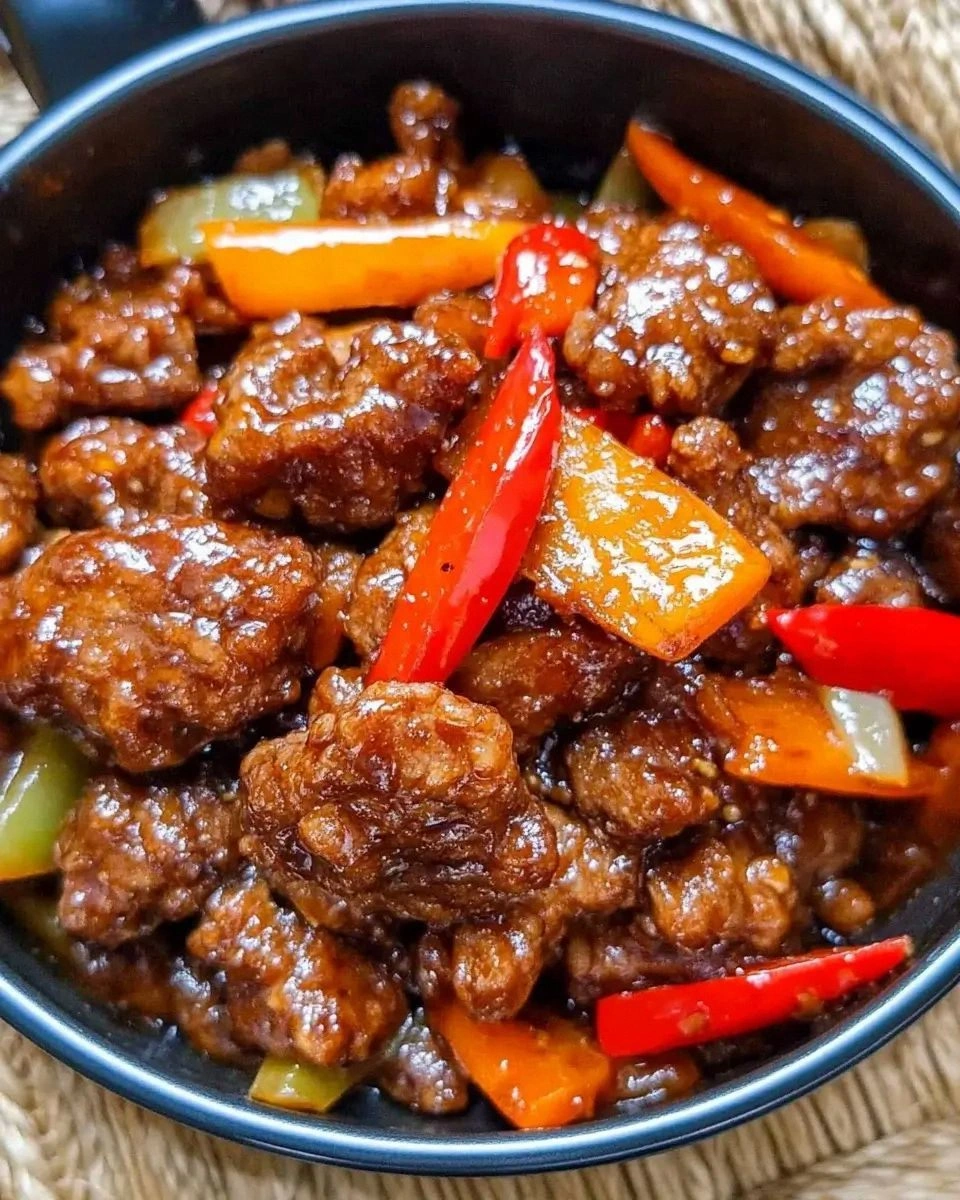
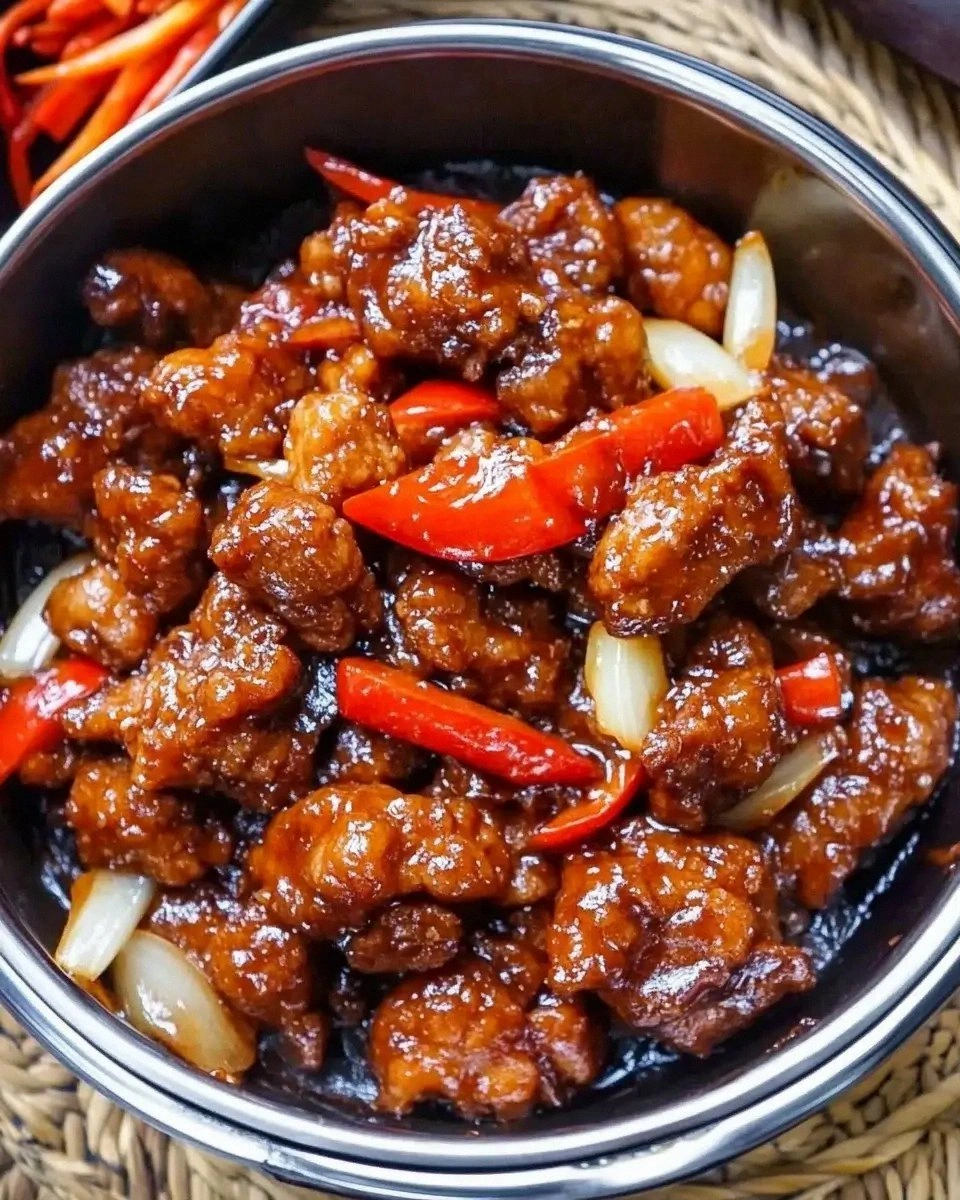
Imagine the sizzle of a hot wok hitting the oil, the sound like a tiny fireworks show that promises something spectacular. The air fills with a caramel‑sweet perfume that instantly makes you think of bustling street markets in Beijing, while the bright red glaze glistens like a ruby necklace draped over a slab of tender beef. You can hear the crackle of the coating as it fries, feel the heat radiating from the pan onto your fingertips, and taste the first bite—a perfect balance of crunchy, juicy, sweet, and tangy that makes your taste buds do a little happy dance. That’s the sensory overload I’m talking about, and it’s exactly what you’ll get when you follow this recipe.
Why does this version stand out from every other “Beijing Beef” you’ve seen on food blogs? First, I’m using flank steak, which is lean, flavorful, and when sliced thin it absorbs the sauce like a sponge while still holding its own bite. Second, I’ve added a secret step: a quick dusting of cornstarch before the fry, which creates a crisp that shatters like thin ice under your fork. Third, the sauce is a perfect marriage of hoisin, soy, rice vinegar, and a dash of honey—sweet enough to satisfy but acidic enough to cut through the richness. And finally, the timing is dialed in so that you can have this on the table in under 45 minutes, even on a weeknight when you’re juggling laundry, emails, and the ever‑looming feeling that you’re about to burn dinner.
I’m about to spill the beans—or rather, the garlic cloves—on the one ingredient that makes all the difference: a splash of canola oil heated to just the right temperature before the beef ever touches the pan. Most recipes tell you “heat oil,” but they never explain that the oil should be shimmering, not smoking, and that a quick test with a single drop of sauce should sizzle instantly. This is the moment where the magic happens, and if you nail it, the rest of the process practically runs itself. Let me walk you through every single step — by the end, you’ll wonder how you ever made it any other way.
What Makes This Version Stand Out
- Taste: The sauce hits you with layers—sweet, salty, tangy, and a whisper of heat—that linger on the palate like a well‑crafted melody.
- Texture: A double‑crisp coating that stays crunchy even after the sauce coats each piece, giving you that satisfying snap.
- Simplicity: Fewer than ten ingredients, three core steps, and you’re done—no need for a pantry full of obscure Asian sauces.
- Uniqueness: The cornstarch dusting before frying is the secret weapon that most restaurant‑style recipes skip.
- Crowd Reaction: I dare you to taste this and not go back for seconds; even the pickiest eaters beg for the recipe.
- Ingredient Quality: Using flank steak instead of cheap cuts ensures a tender bite without sacrificing flavor.
- Cooking Method: High‑heat stir‑fry locks in juices while the quick sauce glaze adds shine and depth.
- Make‑Ahead Potential: The sauce can be pre‑made and stored, and the beef can be pre‑marinated for a true “set it and forget it” night.
Inside the Ingredient List
The Flavor Base
The backbone of any great stir‑fry is the aromatics, and in this recipe that role belongs to garlic. Four cloves of fresh garlic, minced just before cooking, release a pungent aroma that instantly transports you to a bustling Chinese night market. If you skip the garlic, you’ll miss that earthy depth that balances the sweet sauce. As a swap, you can use garlic powder (about 1½ teaspoons), but the fresh version gives you a brighter, more nuanced flavor that’s impossible to replicate with a dried herb.
The Texture Crew
Canola oil is the unsung hero of this dish. Its high smoke point (around 400°F/204°C) lets you achieve that golden‑brown crust without the oil breaking down and turning bitter. A common mistake is using olive oil, which smokes too early and imparts a bitter aftertaste. If you’re allergic or simply don’t have canola on hand, grapeseed or avocado oil work just as well—just keep an eye on the temperature.
The Unexpected Star
Flank steak may not be the first cut that comes to mind for a quick stir‑fry, but it’s actually perfect. It’s lean, has a natural beefy flavor, and when sliced thinly against the grain it stays tender even after a high‑heat sear. The key is to freeze the steak for about 15 minutes before slicing; this firms it up and makes it easier to get those razor‑thin strips. If you can’t find flank, try sirloin or even a well‑marbled ribeye for a richer mouthfeel, but remember that the cooking time may need a slight adjustment.
The Final Flourish
While the core ingredients are simple, the sauce brings the drama. A blend of hoisin, soy, rice vinegar, and honey creates a glossy glaze that clings to each piece of beef like velvet. If you’re watching sugar, substitute honey with a splash of agave syrup; the texture stays the same, and the flavor remains beautifully balanced. For a spicy kick, add a teaspoon of chili garlic sauce or a pinch of Sichuan peppercorns—just enough to make your nose tingle without overwhelming the sweet‑savory harmony.
Everything's prepped? Good. Let's get into the real action...
The Method — Step by Step
First, slice the flank steak into 1/4‑inch strips, cutting against the grain. This tiny trick makes each bite melt in your mouth instead of feeling chewy. Place the strips in a bowl, add a pinch of salt and pepper, then toss with 2 tablespoons of cornstarch until every piece is lightly dusted. Let them rest for five minutes; this short pause lets the starch adhere better, which is crucial for that crisp exterior.
Kitchen Hack: Pat the beef dry with paper towels before dusting; excess moisture will steam the meat and prevent crisping.Heat a wok or large skillet over high heat until it starts to smoke lightly—this is the sweet spot, around 425°F (220°C). Add 1 cup of canola oil, swirling to coat the bottom. When the oil shimmers like a mirror, it’s ready. Drop in a single beef strip first; if it sizzles immediately and the edges start to curl, you’ve nailed the temperature. If it just bubbles, the oil isn’t hot enough; give it a minute longer.
Fry the beef in batches, making sure not to crowd the pan. Overcrowding drops the temperature and results in soggy pieces. Each batch should take about 45 seconds to a minute, just enough for the coating to turn golden‑brown and the interior to stay pink. Use a slotted spoon to transfer the cooked beef onto a paper‑towel‑lined plate; this drains excess oil and preserves the crunch.
Watch Out: If the beef starts to release water, the pan is too cool; increase the heat briefly before adding the next batch.While the beef is frying, whisk together the sauce: ¼ cup hoisin sauce, 2 tablespoons soy sauce, 1 tablespoon rice vinegar, 1 tablespoon honey, 1 teaspoon sesame oil, and a pinch of crushed red pepper flakes. The sauce should be glossy and slightly thick; if it’s too runny, add a teaspoon of cornstarch slurry (1 tsp cornstarch mixed with 2 tsp water). This will help it cling later.
In the same wok (drain excess oil, leaving about 2 tablespoons), add the minced garlic and stir‑fry for 15 seconds until fragrant—watch it closely; garlic burns faster than you think. Once you smell that nutty aroma, pour in the sauce and let it bubble for 30 seconds, stirring constantly. The sauce should thicken and become slightly sticky, coating the wok like a glossy veil.
Return the crispy beef to the wok, tossing vigorously so each piece gets an even coating of the glossy sauce. The moment the sauce clings, you’ll hear a faint “sizzle‑pop” that tells you the glaze is just right. Keep the heat on high for another minute, allowing the sauce to caramelize ever so slightly on the beef’s surface. This is the moment of truth—if the glaze is too thin, add a splash of water; if it’s too thick, a dash more soy sauce will loosen it.
Kitchen Hack: Finish the dish with a sprinkle of toasted sesame seeds and a handful of sliced scallions; they add texture and a fresh pop that balances the richness.Taste the final product. You should notice a bright tang from the vinegar, a sweet undertone from the honey, and a subtle umami depth from the hoisin and soy. If the flavor feels a bit flat, add a splash more soy sauce or a pinch of sugar. Remember, seasoning is personal—trust your palate.
Serve immediately over steamed jasmine rice or tossed with crisp lettuce for a lighter version. The rice will soak up any stray sauce, while the lettuce provides a refreshing crunch that cuts through the richness. Garnish with extra garlic chips or a drizzle of chili oil if you like heat. And there you have it—restaurant‑quality Beijing Beef in under 45 minutes.
That's it — you did it. But hold on, I've got a few more tricks that'll take this to another level...
Insider Tricks for Flawless Results
The Temperature Rule Nobody Follows
Most home cooks think “medium‑high” is enough for stir‑fry, but the truth is you need a true blast of heat—around 425°F (220°C). If your oil isn’t hot enough, the coating will absorb oil and become soggy. I keep a small candy thermometer handy; once it reads 425°F, I know the wok is ready. This little habit has saved me from countless “wet” stir‑fry disasters and guarantees that crisp edge every time.
Why Your Nose Knows Best
Your sense of smell is the ultimate timer. When you add garlic, listen for that quick “pop” followed by a fragrant puff—if you smell a burnt note, lower the heat immediately. The sauce should emit a sweet, caramelizing scent; if it starts to smell acrid, you’ve over‑cooked it and the flavor will turn bitter. Trusting your nose is faster than checking a clock and ensures perfect flavor.
The 5‑Minute Rest That Changes Everything
After the beef is fried, let it rest on a paper towel for exactly five minutes before tossing it in the sauce. This short pause allows excess oil to drain, which means the sauce won’t get diluted. I once skipped this rest and ended up with a watery glaze that clung poorly. Five minutes is all it takes to keep the coating crisp while still absorbing the sauce’s brilliance.
Sauce Thickening Without a Slurry
If you don’t want to use cornstarch, you can achieve a thick glaze by reducing the sauce over medium‑high heat for an extra minute. The natural sugars in hoisin and honey caramelize, creating a glossy finish. Just keep stirring to prevent scorching. This method adds a deeper, slightly caramelized flavor profile that some purists swear by.
The “Double‑Coat” Secret
For the ultimate crunch, dip the beef strips in a light egg‑wash after the cornstarch dust, then back into the cornstarch before frying. The egg creates a bond that holds the starch in place, resulting in a coating that stays crisp even after the sauce is added. I tried this once for a friend’s birthday, and the reaction was unanimous—everyone wanted the “double‑crunch” version.
Creative Twists and Variations
This recipe is a playground. Here are some of my favorite ways to switch things up:
Spicy Szechuan Spin
Add 1 tablespoon of Szechuan peppercorn oil and a teaspoon of doubanjiang (fermented bean paste) to the sauce. The result is a tongue‑tingling, numbing heat that pairs perfectly with the sweet glaze. Ideal for those who love a serious kick.
Citrus‑Infused Brightness
Swap half the rice vinegar for freshly squeezed orange juice and add zest from one orange to the sauce. The citrus lifts the sweet‑savory balance, making the dish feel lighter—great for summer evenings.
Veggie‑Boosted Version
Throw in sliced bell peppers, snap peas, and shredded carrots during the sauce stage. The vegetables add crunch, color, and a dose of vitamins, turning the dish into a complete one‑pan meal that even kids will love.
Gluten‑Free Adaptation
Replace soy sauce with tamari and ensure the hoisin you buy is gluten‑free. Use cornstarch as the coating (already gluten‑free) and you’ll have a safe dish for anyone with gluten sensitivities without sacrificing flavor.
Keto‑Friendly Crunch
Swap the cornstarch dusting for almond flour and use a low‑carb sweetener like erythritol in place of honey. The texture remains crisp, and the carb count drops dramatically—perfect for low‑carb diners.
Storing and Bringing It Back to Life
Fridge Storage
Let the stir‑fry cool to room temperature (no more than two hours), then transfer it to an airtight container. It will keep fresh for up to three days. When reheating, place a splash of water or broth in the pan and cover for a minute; the steam revives the crispness without making the beef soggy.
Freezer Friendly
Portion the cooked beef and sauce into freezer‑safe bags, removing as much air as possible. Freeze for up to two months. To reheat, thaw overnight in the fridge, then stir‑fry over medium heat with a tablespoon of oil and a drizzle of water. The sauce will re‑emulsify, and the coating will regain its snap.
Best Reheating Method
The stovetop is king. Heat a non‑stick skillet over medium‑high, add a teaspoon of oil, and toss the leftovers for 2‑3 minutes, stirring constantly. Add a splash of water or broth and cover for 30 seconds; the steam lifts the glaze and restores that restaurant‑style sheen. Microwaving will make the coating soggy, so avoid it unless you’re in a real hurry.