Picture this: I’m halfway through a week of bland pasta, my kitchen smelling faintly of burnt garlic, when a friend calls and says, “I’m craving something that feels like a hug.” I know exactly what to do. I open the fridge, grab a wheel of brie that’s been sitting there since last Thanksgiving, and start a culinary experiment that will change the way you think about spaghetti forever. This isn’t just another recipe; it’s a rescue mission for your taste buds, a promise that every bite will feel like a warm, buttery blanket wrapped around a bowl of silky noodles.
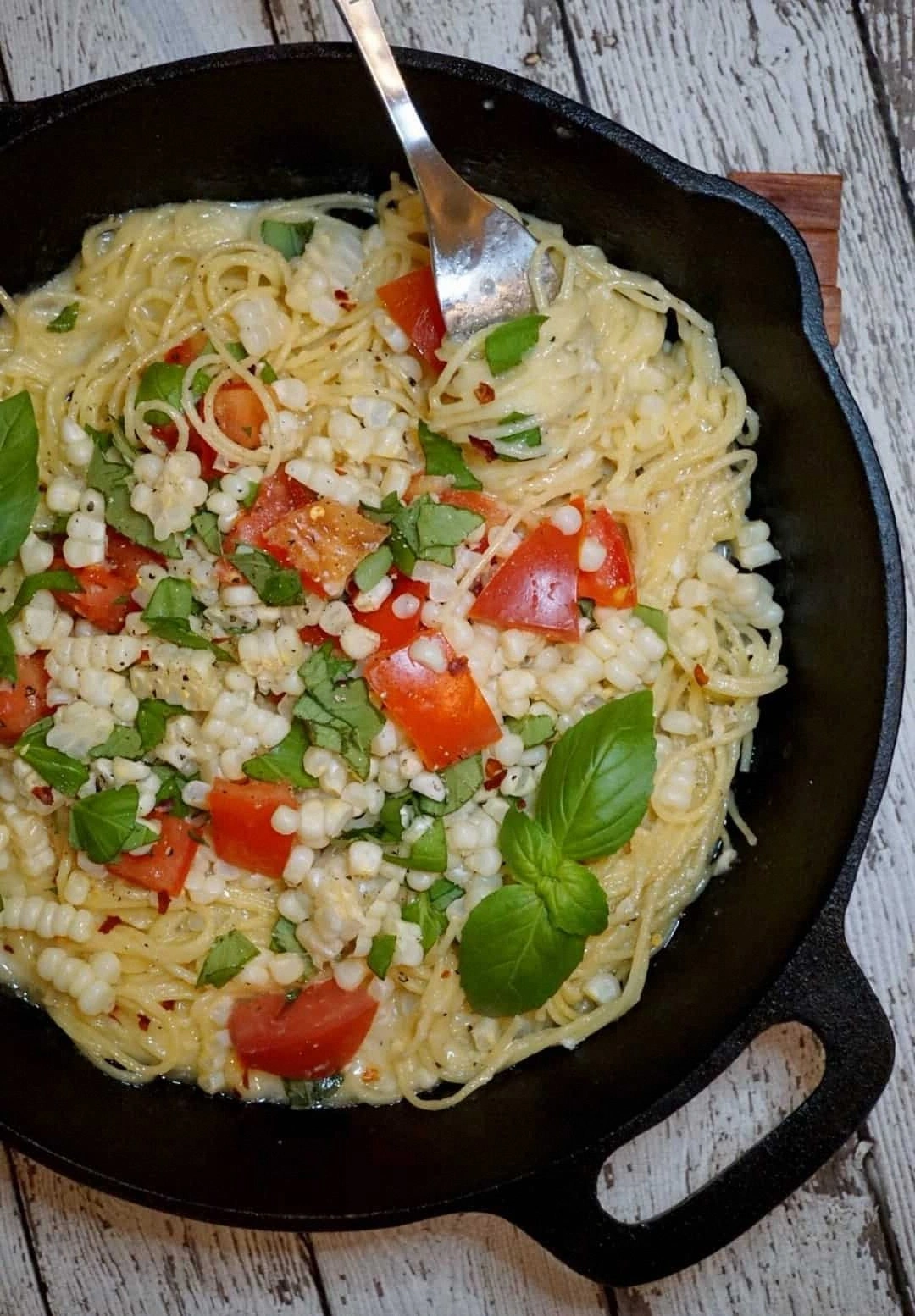
When the brie hits the pan, the first thing you notice is the gentle pop of the cheese melting into a golden, glossy sauce. The aroma that rises is a heady mix of caramelized onions, fresh basil, and that unmistakable buttery scent that makes you close your eyes and smile. The sound of the pasta boiling is like a soft drumbeat, a rhythmic reminder that the magic is about to happen. The texture of the noodles, al dente, offers a satisfying bite that balances the creamy sauce. The taste is a harmony of sweet corn, juicy tomatoes, and a hint of citrus from the lemon, all underpinned by the earthy depth of brie. The heat from the stove feels comforting, like a gentle hug from a friend. The visual is a vibrant swirl of green basil, bright orange corn kernels, and the soft, golden sheen of melted cheese. The final touch is a splash of white wine that adds a subtle acidity, cutting through the richness and keeping everything balanced.
What makes this version stand out is that it turns a simple dish into an edible masterpiece. The combination of brie and fresh corn is an unexpected marriage that creates a creamy, slightly sweet sauce that coats the pasta like velvet. The use of dry white cooking wine adds a subtle, sophisticated note that elevates the dish beyond ordinary comfort food. The fresh basil is torn, not chopped, releasing its oils and giving the dish a bright, herbal aroma that cuts through the richness. The lemon zest and juice add a citrusy brightness that keeps the flavors bright and prevents the dish from feeling too heavy. The method is straightforward yet precise, ensuring that each element is cooked to perfection. The result is a dish that is both indulgent and light, a perfect balance that will leave you craving a second plate. I dare you to taste this and not go back for seconds; you’ll find yourself reaching for the bowl again and again.
But the real kicker is the technique I’ll share that you won’t find in any other recipe. I’ll show you how to melt brie in a pan without it splattering, how to get the perfect caramelized corn kernels, and how to fold everything together so the sauce clings to each strand of spaghetti like a silky ribbon. This is hands down the best version you’ll ever make at home, and I promise you’ll wonder how you ever cooked it any other way. Let me walk you through every single step — by the end, you’ll wonder how you ever made it any other way.
What Makes This Version Stand Out
Flavor Fusion: The marriage of brie, corn, and tomatoes creates a sauce that is both creamy and bright, a contrast that wakes up the palate. The brie melts into a luscious base while the corn adds a subtle sweetness and a satisfying crunch. The tomatoes provide acidity, preventing the dish from feeling too heavy or cloying. The lemon brightens everything, ensuring each bite is fresh and vibrant.
Texture Harmony: The pasta is al dente, giving a pleasant bite that balances the silkiness of the cheese sauce. The corn kernels stay slightly firm, adding a delightful contrast that keeps the dish interesting. The brie’s melt gives a silky coating that lingers on the tongue. The garlic and basil add a gentle crunch and aroma that elevates the overall mouthfeel.
Ingredient Simplicity: You only need a handful of ingredients, yet the dish feels luxurious. No need for heavy cream or fancy sauces; the brie does all the heavy lifting. This simplicity makes it a go-to weeknight dinner that still feels special. You can whip it up in under 45 minutes, making it perfect for busy evenings.
Make‑Ahead Potential: The sauce can be prepared ahead of time, and the pasta can be reheated without losing its texture. The brie sauce reconstitutes nicely, and the pasta absorbs the flavors beautifully. This makes it ideal for meal prep or for entertaining guests on short notice. The dish keeps its quality even after a few hours in the fridge.
Alright, let’s break down exactly what goes into this masterpiece…
Inside the Ingredient List
The Flavor Base: The 12‑ounce wheel of brie is the heart of the sauce. It melts into a velvety, buttery coating that embraces every strand of spaghetti. Choosing a brie that is at room temperature before cooking ensures a smooth melt. If you skip the brie, the dish loses its signature richness and depth. The brie also provides a subtle tang that balances the sweetness of the corn and the acidity of the tomatoes. A slightly aged brie will add a deeper, nuttier flavor profile, but a fresh wheel works perfectly for a lighter taste. Remember, the cheese is the star, so use a high‑quality wheel for the best experience.
The Sweet Corn: Fresh corn on the cob brings a bright, sweet crunch that contrasts with the creamy sauce. The kernels should be plump and juicy, which you can check by tapping them lightly; they should give a firm, satisfying sound. If you’re using frozen corn, thaw it first and pat it dry to avoid excess moisture. The corn’s natural sugars caramelize slightly in the pan, adding a subtle depth of flavor. Skipping the corn would make the dish flatter and less textural. A quick stir‑fry before adding the sauce helps release the corn’s natural sweetness and creates a delightful crunch.
The Tomato Touch: Two beefsteak tomatoes provide a juicy, acidic counterpoint to the richness of the brie. Slice them into bite‑size wedges or dice them for a different texture. The tomatoes should be ripe, with a deep red color and a sweet, fragrant aroma. If you skip the tomatoes, the dish becomes overwhelmingly cheesy and lacks brightness. The tomatoes also add a burst of color that makes the dish visually appealing. For a smoky twist, you can char the tomato wedges on the grill before adding them to the pan.
The Herb and Citrus Boost: Fresh basil, torn into loose strands, releases essential oils that give the sauce a bright, aromatic finish. The lemon provides both zest and juice, adding a citrusy brightness that lifts the entire dish. The basil should be added near the end to preserve its flavor, while the lemon zest is sprinkled in early to infuse the sauce. Skipping the basil would make the sauce flatter and more one‑dimensional. The lemon also balances the richness of the cheese and the sweetness of the corn.
The Final Flourish: Dry white cooking wine adds a subtle acidity that cuts through the richness and brings all the flavors together. Olive oil is used to sauté the garlic and to coat the pasta, providing a silky finish. The minced garlic adds depth and warmth, while the salt and pepper are essential for seasoning. These finishing touches ensure the dish is well‑balanced and flavorful. If you’re avoiding alcohol, you can replace the wine with a splash of chicken or vegetable broth for a similar effect. This final flourish ties everything together into a cohesive, delicious experience.
Everything’s prepped? Good. Let’s get into the real action…
The Method — Step by Step
Step 1: Bring a large pot of salted water to a rolling boil. Add the thin spaghetti and cook according to the package instructions until al dente, about 7-8 minutes. Reserve a cup of pasta water before draining. The pasta water will be crucial for adjusting the sauce’s consistency later. While the pasta cooks, heat a large skillet over medium heat. Add a splash of olive oil to coat the bottom of the pan.
Step 2: Add the minced garlic to the skillet and sauté until fragrant, about 30 seconds. Be careful not to burn the garlic; it should be golden and aromatic, not dark. The garlic infuses the oil with its warmth, forming the base of the sauce. Once the garlic is ready, add the torn basil leaves, stirring gently to release their essential oils. This step ensures the basil flavor is bright and not lost in the heat.
Step 3: Toss the corn kernels into the skillet and sauté for 3-4 minutes until they begin to turn golden. The corn should remain slightly firm, providing a pleasant bite against the creamy sauce. After the corn is ready, add the diced beefsteak tomatoes, allowing them to soften and release their juices. This creates a subtle tomato sauce that blends with the brie. Keep the heat at medium to prevent the tomatoes from breaking apart entirely.
Step 4: Pour in the 1/4 cup dry white cooking wine, allowing it to reduce by half, which intensifies the flavor. The wine’s acidity cuts through the richness of the cheese and adds a complex depth. As it reduces, the sauce thickens slightly, creating a luscious base for the pasta. Stir continuously to prevent any sticking or scorching.
Step 5: Lower the heat to low and add the brie wheel, breaking it into smaller chunks. Stir continuously until the cheese melts completely, forming a glossy sauce. The sauce should coat the back of a spoon like a fine glaze. If it looks too thick, add a splash of reserved pasta water to reach the desired consistency. The sauce should cling to each strand of spaghetti, creating a velvety coating.
Step 6: Add the cooked spaghetti to the skillet, tossing to coat each noodle in the brie‑corn‑tomato sauce. The pasta should absorb the flavors and become silky without sticking together. Sprinkle the lemon zest over the top, then squeeze the juice of one lemon into the pan for a bright, citrusy lift. This step ensures the dish remains fresh and vibrant.
Step 7: Season the sauce with salt and pepper to taste, adjusting as needed. A pinch of salt enhances the sweetness of the corn and the tang of the tomatoes. Pepper adds a subtle heat that balances the richness. Taste the sauce before serving, making sure the flavors are balanced and harmonious.
Step 8: Serve immediately, garnishing with additional fresh basil leaves for a pop of color. A drizzle of good olive oil adds shine and a final layer of flavor. Plate the pasta in shallow bowls or on a wide platter for a dramatic presentation. The dish is now ready to be devoured, and you’ll feel like a culinary wizard who just created something extraordinary.
That’s it — you did it. But hold on, I've got a few more tricks that'll take this to another level…
Insider Tricks for Flawless Results
The Temperature Rule Nobody Follows: Keeping the heat low when melting the brie is essential. If the temperature rises too high, the cheese will separate and form clumps. Use a double boiler or a heat‑resistant bowl over simmering water to maintain a gentle melt. This trick ensures a silky, smooth sauce that coats the pasta evenly. A friend once tried melting brie directly in a hot pan and ended up with a lumpy mess that ruined the dish.
Why Your Nose Knows Best: The aroma of fresh basil and lemon can tell you when the dish is ready. When the basil releases a strong, sweet scent and the lemon aroma is bright, the flavors have blended perfectly. If you’re unsure, give the sauce a quick sniff; a subtle citrusy fragrance means it’s ready to serve.
The 5-Minute Rest That Changes Everything: After adding the pasta, let the dish rest for 5 minutes before serving. This allows the sauce to thicken slightly and the flavors to meld. The noodles will continue to absorb the sauce, resulting in a more cohesive dish. A quick rest also gives the brie time to settle, ensuring a silky finish.
Use Fresh Corn for Best Texture: Fresh corn on the cob is the key to a satisfying crunch. If you’re using frozen corn, thaw it first and pat it dry. This prevents excess moisture from diluting the sauce. Fresh corn also adds a bright sweetness that balances the richness of the brie.
Keep the Pasta Water Handy: The reserved pasta water is a secret weapon. It’s starchy and helps the sauce adhere to the noodles. Add a splash if the sauce feels too thick or if the pasta seems dry. This small trick ensures a silky, cohesive coating that clings to each strand.
Creative Twists and Variations
Cheesy Spinach Twist: Add a handful of fresh spinach leaves to the skillet in step 3. The spinach wilts and adds a green pop of color and a subtle earthiness. This variation works well for those who love a bit of veggie in their pasta. The spinach also increases the nutritional value, adding fiber and vitamins.
Spicy Kick: Stir in a pinch of red pepper flakes along with the garlic. The heat adds a lively contrast to the creamy sauce. If you’re a fan of spicy foods, this version will excite your taste buds. The heat pairs beautifully with the sweetness of the corn and the tang of the tomatoes.
Smoky Bacon Variation: Cook diced bacon until crispy and add it to the pan in step 2. The bacon’s smoky flavor complements the brie and adds a savory depth. Remove the bacon before serving to keep the dish from becoming too heavy. This twist is perfect for brunch or a hearty dinner.
Herb‑Infused Olive Oil: Infuse the olive oil with fresh rosemary or thyme before sautéing the garlic. The herb‑infused oil adds a subtle aromatic layer to the sauce. This variation gives the dish an extra dimension of flavor that pairs well with the brie’s richness.
Vegetarian Swap: Replace the beefsteak tomatoes with roasted cherry tomatoes for a sweeter, caramelized flavor. Roast them at 400°F for 15 minutes, then add them to the skillet. This gives the dish a deeper, more complex tomato taste. It’s also a great way to incorporate more colorful veggies into your meal.
Storing and Bringing It Back to Life
Fridge Storage: Store any leftovers in an airtight container in the refrigerator for up to 2 days. The sauce will thicken slightly, so add a splash of warm water or a drizzle of olive oil before reheating to restore its silky texture. This method keeps the pasta from drying out and preserves the flavors.
Freezer Friendly: For longer storage, place the dish in a freezer‑safe container and freeze for up to 2 weeks. Thaw overnight in the refrigerator, then reheat gently on the stove with a splash of water or broth. The brie may become slightly firmer, but a quick stir will bring it back to its creamy glory.
Best Reheating Method: Reheat in a skillet over low heat, stirring constantly. Add a splash of water or broth to loosen the sauce and keep the pasta moist. Keep the heat low to prevent the cheese from seizing. Finish with a sprinkle of fresh basil and a drizzle of olive oil for a fresh finish.