
A luxurious bite that balances rich dark chocolate, crunchy almonds, and a whisper of sea salt – perfect for any occasion.
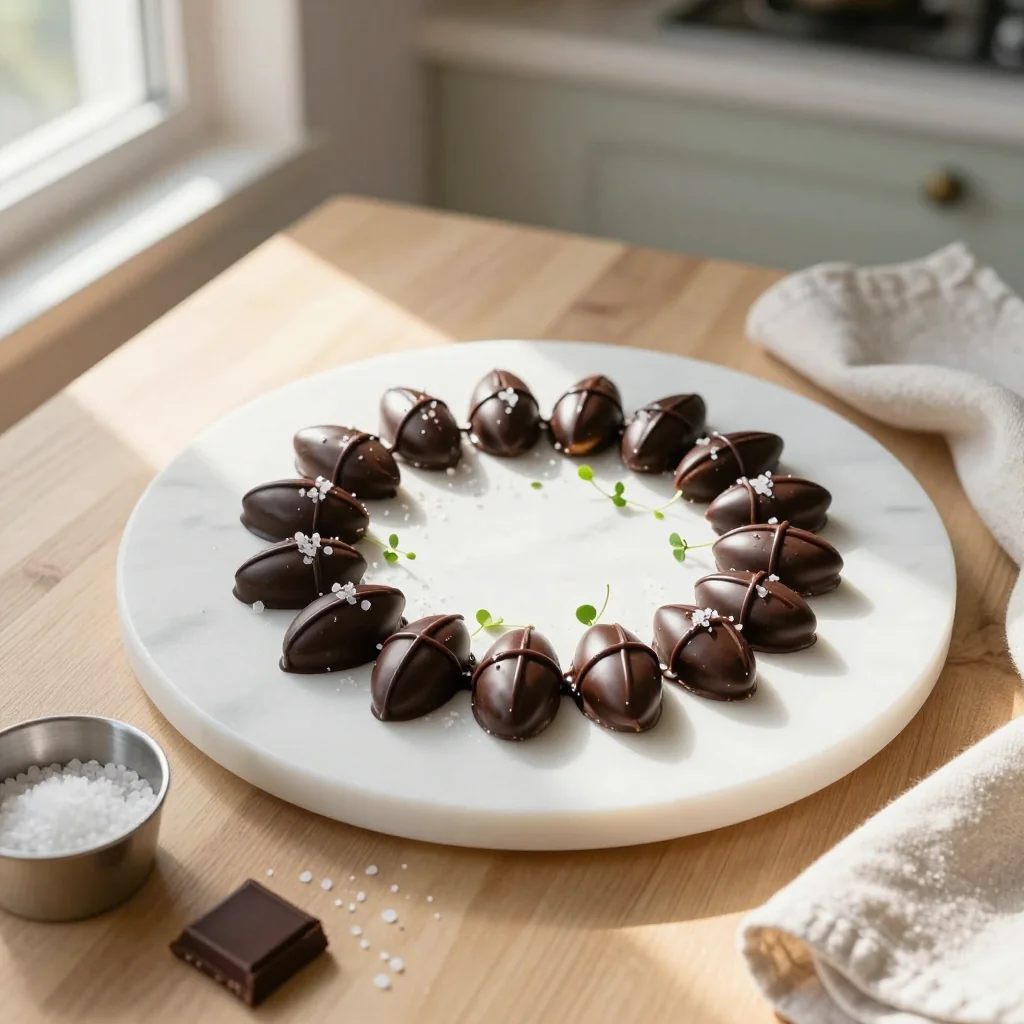
There’s a particular moment that stays with me forever: the first time I tasted a perfectly coated almond, its crisp bite followed by the melt‑in‑your‑mouth richness of dark chocolate, finished with a delicate snap of sea salt. I was in a tiny coastal town in Portugal, watching the sunrise over the Atlantic, and a local confectioner handed me a handful of these tiny treasures. The balance of flavors was so precise that it felt like the ocean itself had been captured in a single bite.
Chocolate‑covered almonds have a long history that stretches back to ancient civilizations where nuts were often preserved in honey or syrup. In modern times, they have become a staple of festive tables, movie‑night snack bowls, and elegant gift boxes. The addition of sea salt is a nod to the contemporary trend of sweet‑salty pairings that elevate simple desserts into gourmet experiences.
In this article, I’ll walk you through every nuance of creating these indulgent treats at home. From selecting the perfect almonds and chocolate to mastering the tempering process, you’ll gain the confidence to produce a batch that rivals any boutique confectionery.
Ready to transform ordinary almonds into a show‑stopping snack? Let’s dive in and start coating!
🌟 Why This Recipe Will Captivate You
These chocolate‑covered almonds are more than just a snack—they’re a sensory experience that combines texture, flavor, and visual appeal.
- ✨ Perfect Crunch‑to‑Melt Ratio: The almond provides a satisfying crunch that contrasts beautifully with the silky dark chocolate, creating a harmonious mouthfeel that keeps you reaching for more.
- ✨ Gourmet‑Level Presentation: A glossy coating and a dusting of sea salt give each almond a professional look, making them ideal for party platters, gift bags, or a refined after‑dinner treat.
- ✨ Nutrient Boost: Almonds are packed with healthy fats, protein, and vitamin E, while dark chocolate contributes antioxidants—making this indulgence a slightly smarter choice.
- ✨ Versatile Serving Options: Serve them in a decorative bowl, line a dessert tray, or embed them in baked goods; the possibilities are endless.
- ✨ Simple Yet Sophisticated: The recipe uses just a handful of ingredients, yet the technique of tempering chocolate adds a layer of culinary skill that feels rewarding.
- ✨ Customizable Flavor Profile: Adjust the intensity of chocolate, experiment with flavored salts, or sprinkle toasted coconut for a tropical twist.
🥗 The Ingredients
📝 Complete Ingredient List
For the Almond Base:
- 500 g raw almonds (preferably skin‑on)
- 1 tsp olive oil (helps chocolate adhere)
For the Chocolate Coating:
- 300 g dark chocolate (70% cocoa)
- 1 tbsp unsalted butter (adds shine)
- ½ tsp pure vanilla extract
For the Finishing Touch:
- 1 tsp fine sea salt
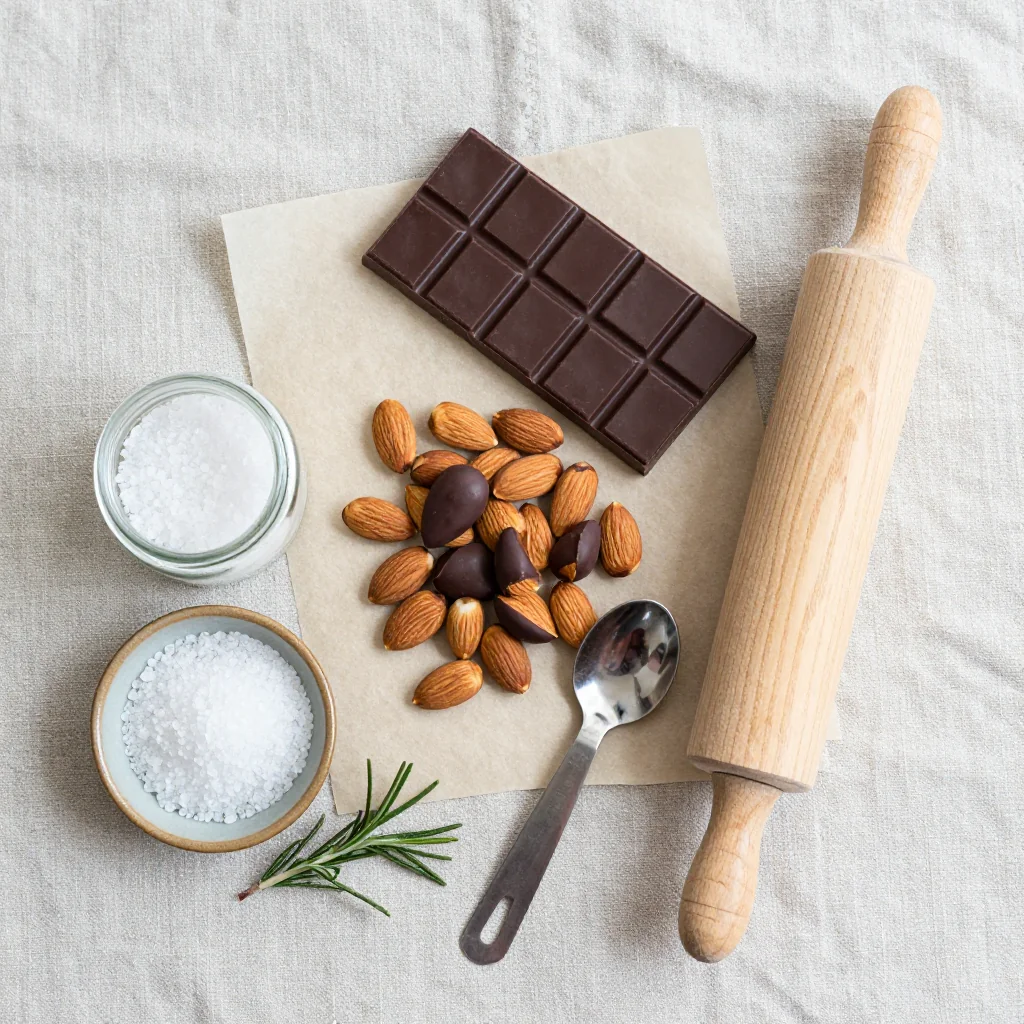
🔍 Focus on Key Ingredients
Raw Almonds
Almonds bring a buttery richness and a pleasant crunch that balances the smooth chocolate. When selecting, look for uniform size and a fresh, nutty aroma. If you prefer a softer bite, briefly blanch the almonds in boiling water for 30 seconds, then dry them thoroughly before coating.
Dark Chocolate (70% Cocoa)
Dark chocolate offers deep, complex flavor notes—fruity, earthy, and slightly bitter—that contrast the natural sweetness of the nuts. Choose a couverture or a high‑quality bar to ensure a glossy finish after tempering. Chocolate with a higher cocoa percentage also contains more antioxidants, making the snack a little healthier.
Fine Sea Salt
The sea salt crystals create a burst of briny flavor that cuts through the richness of the chocolate. Use a flaky or fine sea salt so it adheres evenly without overwhelming the palate. A pinch of smoked sea salt can add an extra layer of sophistication if you’re feeling adventurous.
🔄 Quick Substitutions
| If you don’t have... | Use instead... |
|---|---|
| Raw almonds | Roasted unsalted almonds |
| Dark chocolate | Milk chocolate (but expect a sweeter profile) |
| Fine sea salt | Himalayan pink salt (use sparingly) |
👨🍳 Step‑by‑Step Instructions
Follow these detailed steps to achieve a flawless coating and a perfect balance of flavors. Patience during tempering is key, but the result is well worth the effort.
📋 Phase 1: Preparation and Mise en Place
Gather all tools and ingredients before you begin to ensure a smooth workflow.
Prep the Almonds
Place the raw almonds in a large mixing bowl. Drizzle the teaspoon of olive oil over them and toss gently to coat evenly. This thin layer of oil helps the chocolate adhere without making the nuts soggy. Spread the almonds on a parchment‑lined baking sheet and set aside.
Set Up a Double Boiler
Fill a medium saucepan with about 2 cm of water and bring it to a gentle simmer. Place a heat‑proof bowl on top, ensuring the bottom does not touch the water. This creates a gentle, indirect heat source perfect for melting chocolate without scorching.
🔥 Phase 2: Chocolate Tempering and Coating
Temper the chocolate to achieve a glossy finish and a satisfying snap.
Melt the Chocolate
Add the dark chocolate pieces to the bowl over the simmering water. Stir constantly with a silicone spatula until the chocolate reaches 45 °C (113 °F). Remove the bowl from heat and stir in the butter and vanilla extract. Continue stirring until the butter is fully melted and the mixture is smooth.
Temper the Chocolate
Cool the melted chocolate to 27 °C (80 °F) by adding a handful of unmelted chocolate chips and stirring vigorously. Once the temperature drops, gently re‑warm the mixture to 31 °C (88 °F). This tempering process aligns the cocoa butter crystals, giving the coating a glossy sheen and a crisp snap.
Coat the Almonds
Using a silicone spatula, transfer the tempered chocolate to a large mixing bowl. Add the prepared almonds and toss until each nut is fully enrobed. Work quickly—tempered chocolate sets fast. Once coated, use a fork to lift the almonds, allowing excess chocolate to drip back into the bowl.
✨ Phase 3: Finishing and Presentation
Finalize the snack with a delicate sprinkle of sea salt and let it set.
Sprinkle Sea Salt
Lay the chocolate‑covered almonds on a fresh sheet of parchment paper. While the chocolate is still tacky, evenly dust the almonds with the fine sea salt using a small sieve. The salt should form a thin veil, enhancing each bite without overpowering the chocolate.
Set the Almonds
Allow the almonds to cool at room temperature for about 15 minutes, then transfer the tray to the refrigerator for an additional 20 minutes to fully set the chocolate. The coating will harden and develop that coveted glossy finish.
Serve or Store
Once set, transfer the almonds to an airtight container. They can be served immediately on a decorative platter, or stored for later enjoyment (see the Conservation section for details).
💡 Expert Tips and Tricks
🛒 Choosing the Best Ingredients
When shopping, select almonds that are uniform in size and have a fresh, sweet aroma. Avoid any that appear shriveled or have a bitter aftertaste. For chocolate, a high‑cocoa bar will give you a richer flavor and a firmer snap after tempering. If possible, buy chocolate that lists cocoa butter as the first ingredient; this ensures better tempering results. Finally, a fine sea salt like Maldon or Fleur de Sel provides a delicate crunch without overwhelming the chocolate.
🔪 Preparation Techniques
Pat the almonds completely dry after any washing or blanching—moisture is the enemy of a smooth coating. Lightly toasting the almonds before coating adds depth, but be careful not to burn them; a light golden hue is ideal. When melting chocolate, use a silicone spatula rather than a metal one to avoid temperature spikes.
🌡️ Mastering the Tempering Process
Temper the chocolate using the “seeding” method: melt, cool with unmelted chocolate, then gently re‑heat. Use a reliable instant‑read thermometer; accuracy within ±1 °C makes the difference between a dull coating and a glossy, snap‑ready finish. If you don’t have a thermometer, you can test by dipping a spoon—if the chocolate firms within 30 seconds, it’s tempered.
🍽️ Presentation and Service
Arrange the finished almonds in a shallow, decorative bowl or on a slate board for a modern look. Sprinkle a few extra sea‑salt crystals on top just before serving for a burst of aroma. Pair them with a glass of ruby‑red wine or a sparkling water infused with citrus for a balanced palate.
🏆 Pro Tips
Professional chefs treat every step as an opportunity to refine texture and flavor, turning a simple snack into an elevated confection.
- 🎯 Use a Marble Surface for Cooling: After coating, spread the almonds on a chilled marble slab. The stone draws heat away quickly, locking in the glossy finish and preventing bloom.
- 🎯 Add a Touch of Espresso Powder: Mixing a pinch of finely ground espresso into the chocolate deepens the flavor profile, adding subtle bitterness that balances the sweetness.
- 🎯 Control Humidity: High humidity can cause chocolate to bloom (white streaks). Work in a cool, dry kitchen and consider using a dehumidifier if you live in a moist climate.
- 🎯 Use a Fine Mesh Sieve for Salt: This ensures an even distribution of sea salt crystals, preventing clumps and guaranteeing consistent flavor in every bite.
- 🎯 Finish with a Light Dusting of Cocoa Nibs: For added crunch and a hint of bitterness, sprinkle toasted cocoa nibs over the almonds just before the chocolate sets.
- 🎯 Store at Consistent Temperature: Fluctuating temperatures cause chocolate to contract and expand, leading to cracks. Keep the almonds in a temperature‑controlled pantry (around 18 °C/65 °F).
"The secret to great confections is patience and precision; a perfectly tempered chocolate is the hallmark of a true pastry chef." — Pierre Hermé
🔄 Variations and Adaptations
This base recipe is a canvas for creativity. Below are several ways to customize the almonds to suit different dietary needs, flavor cravings, and occasions.
🥬 Vegan Version
Replace the butter with a tablespoon of coconut oil, which adds a subtle tropical aroma while maintaining the glossy finish. Ensure the dark chocolate you select is dairy‑free (most high‑cocoa bars are).
- Substitution: 1 tbsp unsalted butter → 1 tbsp refined coconut oil.
- Substitution: Any milk‑based chocolate → Vegan dark chocolate (70% cocoa or higher).
🌶️ Flavor Variations
Play with sweet‑spicy or herb‑infused twists to keep the snack exciting.
Spicy Chili Version:
Mix ½ tsp cayenne pepper or smoked paprika into the melted chocolate before coating. The heat will complement the sea salt and give a gentle warmth on the palate.
Mediterranean Olive Oil Version:
Replace the olive oil drizzle with a drizzle of extra‑virgin olive oil infused with rosemary. The herbal notes pair beautifully with dark chocolate and sea salt.
Asian Matcha Version:
Stir 1 tsp high‑grade matcha powder into the chocolate after tempering. The earthy green hue and subtle bitterness provide an elegant contrast.
⚠️ Dietary Adaptations
Gluten‑Free:
All ingredients are naturally gluten‑free; just ensure any added flavorings (e.g., vanilla extract) are certified gluten‑free.
Lactose‑Free:
Swap butter for coconut oil or a dairy‑free margarine. Choose dark chocolate that contains no milk solids.
Low‑Calorie:
Reduce the chocolate amount to 200 g and increase the almond portion to 600 g. Use a 85% cocoa chocolate, which is less sweet and slightly lower in sugar.
👶 Kid‑Friendly Version
Kids often love milder flavors. Use a 55% cocoa milk chocolate and skip the sea salt. Add a drizzle of honey after the chocolate sets for a sweet finish that appeals to younger palates.
📦 Storage and Reheating
🧊 Conservation
Refrigerated:
- Duration: 10 days
- Recommended container: Airtight glass jar
- Tip: Place a paper towel at the bottom of the jar to absorb excess moisture.
Frozen:
- Duration: 3 months
- Method: Spread almonds on a baking sheet, freeze solid, then transfer to a zip‑lock freezer bag.
- Defrosting: Move to the refrigerator for 4‑6 hours, then let sit at room temperature for 15 minutes before serving.
💡 Store away from strong‑smelling foods; chocolate readily absorbs odors, which can alter the flavor of your almonds.
♨️ Reheating
🔥 Oven (Recommended):
- Preheat to 150 °C (300 °F).
- Spread almonds on a parchment‑lined tray.
- Heat for 5‑7 minutes until the chocolate becomes glossy again.
- Remove and let cool for 2 minutes before serving.
⚡ Microwave (Quick):
- Place almonds in a microwave‑safe bowl, cover loosely with a microwave‑safe lid.
- Heat on medium power for 30 seconds, stir, then repeat in 15‑second bursts until the chocolate softens.
- Stir gently to avoid overheating.
🍳 Skillet:
If you prefer a quick touch‑up, warm a non‑stick skillet over low heat, add the almonds, and toss for 30 seconds until the coating shines.
🍷 Perfect Pairings
🥗 Accompaniments
- Fresh Fruit Platter: The natural acidity of berries cuts through the chocolate richness, creating a balanced bite.
- Cheese Board: Pair with a mild goat cheese or a creamy brie; the salt on the almonds enhances the cheese’s buttery notes.
- Roasted Vegetables: Sweet carrots or beets provide an earthy counterpoint to the sweet‑salty almonds.
🍷 Wine & Beverage Pairings
- Ruby Port: Its deep fruit flavors echo the chocolate while its sweetness balances the sea salt.
- Dry Sherry (Fino): The nutty undertones complement the almonds and cleanse the palate.
- Non‑Alcoholic Option: Sparkling water with a splash of orange bitters adds a refreshing citrus note.
🍰 Complementary Courses
Start your meal with a light citrus salad dressed with a honey‑lime vinaigrette, followed by a main course of roasted chicken with herbs. Finish with a silky vanilla panna cotta, and serve the chocolate‑covered almonds as a delightful after‑dinner nibble that ties the entire menu together.
❓ Frequently Asked Questions
Q: Can I use roasted almonds instead of raw?
A: Absolutely! Roasted almonds add an extra depth of flavor. Just ensure they are unsalted and let them cool completely before coating, otherwise the residual oil may interfere with the chocolate’s ability to adhere.
Q: How do I know if the chocolate is properly tempered?
A: A properly tempered chocolate will be glossy, smooth, and snap cleanly when broken. You can test by dipping a spoon; if the chocolate firms within 30 seconds at room temperature, it’s tempered. If it remains soft or looks dull, continue the tempering process.
Q: What type of sea salt works best?
A: Fine flaky salts like Maldon or Fleur de Sel are ideal because they dissolve quickly and distribute evenly. If you only have coarse sea salt, grind it lightly with a mortar and pestle before sprinkling.
Q: My chocolate turned white after cooling. What happened?
A: The white film is called chocolate bloom, caused by improper tempering or temperature fluctuations. To avoid it, keep the chocolate within the tempering temperature range and store the finished almonds in a stable, cool environment.
Q: Can I add other nuts or seeds?
A: Yes! Feel free to substitute or mix in pistachios, cashews, or pumpkin seeds. Adjust the coating time slightly if the nuts are larger, ensuring each piece is fully covered.
Q: How far in advance can I prepare these almonds?
A: You can coat and set them up to two days ahead. Keep them in an airtight container at room temperature for up to 48 hours; after that, refrigeration is recommended to maintain freshness.
🎉 To Your Kitchen!
Chocolate Covered Almonds with Sea Salt are a perfect blend of simplicity and elegance. By mastering the tempering technique, you’ll create a glossy, crisp coating that rivals any store‑bought confection. The sweet‑salty balance makes them suitable for everything from casual movie nights to upscale cocktail parties. Remember, the key lies in quality ingredients, precise temperature control, and a touch of patience.
Now that you have the full roadmap, it’s time to gather your almonds, melt that chocolate, and let the aromas fill your kitchen. Share your creations, ask questions, and let the community celebrate your success. Happy coating!
Have you tried this recipe?
Leave a comment and rating below! Share your photos on Instagram with #AlmondDelight for a chance to be featured.
Chocolate Covered Almonds with Sea Salt
Luxurious chocolate‑coated almonds finished with a delicate sea‑salt kiss.
📝 Ingredients
Almond Base
Chocolate Coating
Finishing
👨🍳 Instructions
- 1
Preheat your oven to 175 °C (350 °F) if you choose to toast the almonds; otherwise, skip this step.
- 2
Drizzle olive oil over the raw almonds, toss to coat, and spread on a parchment sheet.
- 3
Melt dark chocolate in a double boiler, add butter and vanilla, and stir until smooth.
- 4
Temper the chocolate by cooling to 27 °C, adding unmelted chocolate, then reheating to 31 °C.
- 5
Combine the almonds with tempered chocolate, ensuring each piece is fully covered.
- 6
Lay coated almonds on parchment and sprinkle fine sea salt evenly.
- 7
Let the almonds set at room temperature for 15 minutes, then refrigerate for 20 minutes.
- 8
Transfer to an airtight container; store refrigerated up to 10 days or freeze for longer storage.
- 9
If desired, reheat gently in an oven at 150 °C before serving to restore gloss.
- 10
Enjoy the chocolate‑covered almonds as a snack, garnish, or dessert component.
🥗 Nutritional Information (per serving)
*Values are estimates based on ingredient data.
📚 You Might Also Like
Peppercorn Chocolate Almonds
Cranberry Almond Bites
White Chocolate Almonds with Pistachios




💬 Comments & Reviews
Leave a Comment
No comments yet. Be the first to share your thoughts!