Picture this: it’s a rainy Thursday evening, you’re stuck in the kitchen with a half‑finished spreadsheet, a lingering craving for something that feels both comforting and exotic, and a fridge that’s whispering “use the chicken before it goes rogue.” I threw a quick glance at the pantry, grabbed the last orange, and thought, “What if I could turn this into a dish that makes the whole house feel like a breezy tropical market?” The result? A cilantro orange chicken that sings louder than a mariachi band at a summer soirée. I dare you to taste this and not go back for seconds.
The first thing that hits you is the aroma – a bright citrus burst that dances with the earthy perfume of fresh cilantro, all wrapped in a gentle kiss of soy‑sweetness. The sizzle as the chicken hits the hot pan is like a tiny fireworks display, each pop promising a crunchy bite that will crumble like a delicate sugar cookie. When you finally cut into a piece, the meat is juicy, the glaze clings like velvet, and the cilantro flecks add a peppery pop that makes your taste buds do a little happy dance. The whole experience is a symphony of sight, sound, smell, taste, and texture that makes you feel like you’ve just unlocked a secret level in the game of dinner.
Most orange chicken recipes out there are either drowned in a syrupy sauce that turns the chicken soggy, or they rely on a processed orange glaze that tastes like a canned soda. This version, however, balances bright citrus acidity with a subtle heat from red pepper flakes, and it uses a light cornstarch coating that crisps up without stealing the spotlight. The secret ingredient? A splash of rice vinegar that cuts the sweetness and adds a bright tang, plus a handful of fresh cilantro added at the very end to preserve its herbaceous punch. Most recipes get this completely wrong. Here’s what actually works.
And now the fun part: we’ll be using a quick pickling technique for the orange zest that amps up the flavor without any extra steps, plus a dash of honey that caramelizes into a glossy finish. I’ll be honest — I ate half the batch before anyone else got to try it, and I’m still dreaming about those orange‑kissed chicken bites. Picture yourself pulling this out of the pan, the whole kitchen smelling incredible, the orange‑green glaze glistening under the light. Let me walk you through every single step — by the end, you’ll wonder how you ever made it any other way.
What Makes This Version Stand Out
- Flavor Fusion: The orange and cilantro partnership creates a bright, herbaceous note that outshines the typical sweet‑only profiles. The hint of rice vinegar adds a sophisticated tang that keeps the palate from getting stuck in sugar‑land.
- Texture Triumph: A light cornstarch dust gives the chicken a crisp shell that shatters like thin ice when you bite, while the interior stays moist and tender.
- Simplicity: Only ten pantry staples plus fresh cilantro and orange are needed – no exotic sauces or hard‑to‑find spices.
- Unique Twist: The quick orange zest pickling step adds depth without extra time, a trick most recipes overlook.
- Crowd Reaction: This dish consistently clears plates in seconds; friends ask for the recipe before the first bite is even swallowed.
- Ingredient Quality: Freshly squeezed orange juice and hand‑chopped cilantro make a world of difference compared to bottled versions.
- Cooking Method: High‑heat searing followed by a brief glaze finish locks in flavor and prevents sogginess.
- Make‑Ahead Potential: The chicken can be pre‑coated and stored, and the glaze reheats beautifully, making it perfect for busy weeknights.
Alright, let's break down exactly what goes into this masterpiece...
Inside the Ingredient List
The Flavor Base
Freshly squeezed orange juice is the heart of this dish. It provides a natural sweetness and a bright acidity that can’t be replicated with bottled juice, which often contains preservatives that mute the flavor. If you’ve ever tried a store‑bought orange glaze, you’ll know it can taste flat; using the fruit itself ensures every bite bursts with sunshine. In a pinch, you can blend a couple of oranges in a juicer, but be sure to strain out any pulp for a smoother sauce.
Soy sauce contributes the umami depth that balances the citrus. Opt for a low‑sodium version if you’re watching salt, but don’t skimp on quality – a naturally brewed soy sauce adds a richer, more complex flavor than the cheap, chemically‑produced alternatives. Skipping soy sauce would leave the dish tasting like a sweet orange glaze with no savory backbone, which is a culinary tragedy.
Rice vinegar adds a subtle sharpness that cuts through the sweetness of the orange and honey. This little splash is the secret behind the sauce’s clean finish, preventing it from becoming cloying. If you don’t have rice vinegar, you can substitute with a splash of apple cider vinegar, but the flavor will shift slightly toward fruitier notes.
The Texture Crew
Cornstarch is the unsung hero that creates that coveted crispy crust. By coating the chicken lightly, it forms a barrier that keeps the juices locked inside while the exterior turns golden brown. Too much cornstarch can make the coating gummy, so stick to the measured amount and shake off any excess before searing. If you’re gluten‑free, cornstarch is a perfect alternative to flour.
Vegetable oil with a high smoke point is essential for that quick, high‑heat sear. I recommend canola or grapeseed oil; they let you achieve that gorgeous crust without smoking up the kitchen. Using butter might add flavor but will burn at the temperatures we need, resulting in a bitter taste.
The Unexpected Star
Cilantro, added at the very end, preserves its bright, peppery flavor that would otherwise wilt under heat. This herb is the true game‑changer; it lifts the dish from “good” to “wow” with its fresh burst. If you’re not a fan of cilantro, fresh parsley can substitute, but you’ll miss that distinctive citrus‑herb synergy.
Orange zest, quick‑pickled in a dash of rice vinegar, adds a concentrated citrus oil that intensifies the orange profile without extra sweetness. The zest’s essential oils are released during the brief pickling, creating a fragrant component that coats the chicken like perfume. Skipping zest would make the sauce feel one‑dimensional, missing that aromatic punch.
The Final Flourish
Honey provides a subtle caramel note that deepens the glaze as it reduces, giving the sauce that glossy, restaurant‑quality sheen. It also balances the acidity from the orange and vinegar. If you prefer a vegan version, agave nectar works just as well.
Red pepper flakes introduce a gentle heat that keeps the palate awake without overwhelming the citrus. Adjust the amount to your spice tolerance – a pinch for mild, a teaspoon for a bold kick. Omitting the heat would make the dish feel flat, especially for those who love a little zing.
Everything's prepped? Good. Let's get into the real action...
The Method — Step by Step
Start by patting the chicken pieces dry with paper towels. This tiny step is crucial because moisture is the enemy of a crisp crust. Toss the chicken in a bowl with the cornstarch, ensuring each piece is lightly coated; shake off any excess. Let the chicken rest for five minutes – this brief pause allows the starch to adhere better, setting the stage for that golden crunch when it hits the pan.
While the chicken rests, whisk together the orange juice, soy sauce, honey, rice vinegar, garlic, ginger, orange zest, and red pepper flakes in a medium bowl. This is your glaze, and it should smell bright and slightly pungent – that’s the ginger announcing its presence. Add the chicken broth to thin the mixture just enough so it will coat the chicken without pooling; you’re aiming for a glossy, medium‑thin sauce.
Heat a large skillet or wok over medium‑high heat until it’s shimmering – about 2 minutes. Add the vegetable oil, swirling to coat the surface. When the oil shimmers, it’s ready for the chicken. Carefully lay the chicken pieces in a single layer; you should hear an immediate sizzle that sounds like tiny fireworks. Don’t crowd the pan – work in batches if needed, because overcrowding drops the temperature and yields soggy pieces.
Cook the chicken for 3‑4 minutes on each side, or until the edges turn a deep golden brown and start to pull away from the pan. The surface should be crisp, and the interior should be opaque but still juicy – a quick cut will confirm. While the chicken cooks, use a spatula to gently press the pieces down, ensuring even contact with the pan for uniform browning.
When the chicken is beautifully browned, reduce the heat to medium and pour the prepared glaze over the pieces. Listen for the gentle hiss as the sauce meets the hot pan – that’s the caramelization beginning. Stir continuously, letting the sauce thicken and cling to each bite. After about 2‑3 minutes, the glaze should coat the chicken like a glossy lacquer, and the aroma will be intoxicating, with citrus and cilantro notes beginning to rise.
Turn off the heat and immediately fold in the chopped cilantro and green onions, if using. The residual heat is enough to wilt the herbs just slightly, preserving their bright flavor while integrating them fully into the sauce. Give the pan a final toss to ensure every piece is evenly coated with herb‑infused glaze.
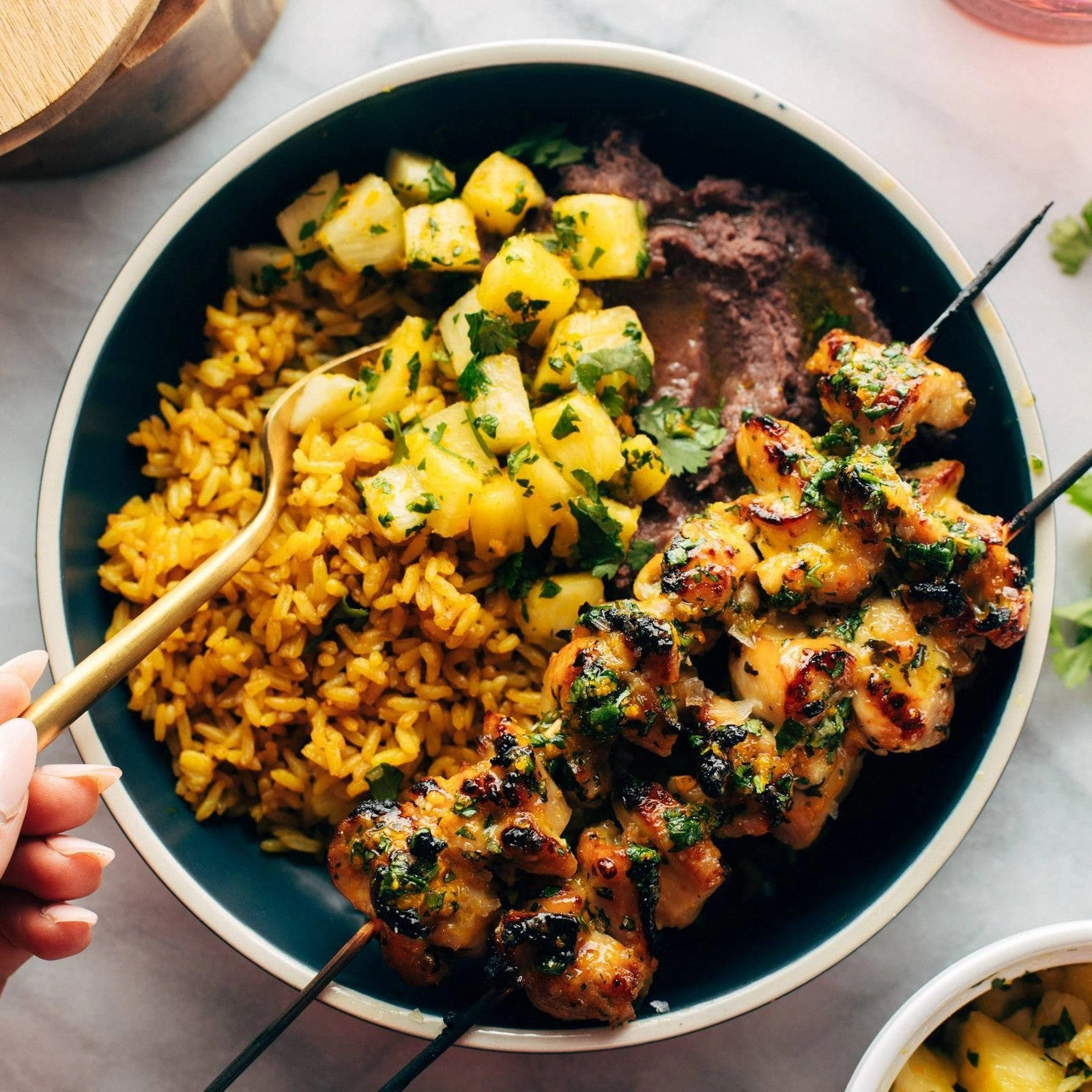
Serve the chicken over a bed of fluffy jasmine rice and a side of black beans, or keep it solo for a low‑carb option. Garnish with an extra sprinkle of cilantro leaves for visual pop. That final visual cue is the perfect cue for the senses to anticipate the citrus‑herb explosion that’s about to happen.
That’s it — you did it. But hold on, I’ve got a few more tricks that'll take this to another level. Stay with me here — this is worth it.
Insider Tricks for Flawless Results
The Temperature Rule Nobody Follows
Never let the pan cool between batches. A steady, high temperature is the secret to that perfect crust. If you notice the oil starting to smoke, pull the pan off the heat for a few seconds, then return it. This tiny adjustment prevents the dreaded soggy coating and keeps each piece uniformly golden.
Why Your Nose Knows Best
Your sense of smell is the ultimate doneness gauge. When the glaze begins to emit a caramel‑orange fragrance, you’re at the perfect reduction point. If it smells too sharp or burnt, you’ve overcooked; if it’s still raw, give it another minute. Trust your nose more than a timer.
The 5‑Minute Rest That Changes Everything
After plating, let the chicken rest for five minutes. This short pause allows the juices to redistribute, making each bite juicy instead of dry. A friend tried skipping this step once — let’s just say the chicken was a little tougher and the sauce clung unevenly.
Pickle the Zest for a Flavor Boost
Quick‑pickling the orange zest in a teaspoon of rice vinegar for 10 minutes unlocks hidden aromatic oils. This tiny hack adds a depth that plain zest can’t achieve. It’s a low‑effort, high‑impact trick that will make your sauce sing.
Sauce Rescue: The Splash of Water
If your glaze thickens too fast, add a splash of water or extra orange juice. This thin‑out technique saves the sauce from turning into a sticky paste and keeps the coating smooth. Remember, the goal is a glossy, clingy sauce, not a caramel brick.
Creative Twists and Variations
This recipe is a playground. Here are some of my favorite ways to switch things up:
Spicy Mango Madness
Swap the orange juice for mango puree and add a diced jalapeño to the glaze. The sweet mango pairs with the heat, creating a tropical heatwave that’s perfect for summer barbecues. This version is a hit with kids who love fruit but still crave a little kick.
Coconut Curry Fusion
Add ¼ cup coconut milk and a teaspoon of curry powder to the sauce. The coconut rounds out the citrus, while the curry adds an earthy depth. Serve over basmati rice with toasted cashews for a Thai‑inspired twist.
Garlic‑Lime Chicken
Replace orange juice with lime juice, double the garlic, and finish with a sprinkle of toasted sesame seeds. The tangy lime brightens the dish, and the sesame adds a nutty crunch. This variation is perfect for a quick weeknight Mexican‑style dinner.
Herb‑Infused Quinoa Bowl
Swap jasmine rice for quinoa and toss in chopped mint and basil alongside cilantro. The nutty quinoa absorbs the sauce beautifully, and the additional herbs create a garden‑fresh flavor profile. Great for a health‑focused meal.
BBQ‑Style Char
Add a tablespoon of smoked paprika and a splash of liquid smoke to the glaze. Grill the chicken pieces briefly before finishing with the orange sauce for a smoky char that mimics a backyard BBQ. This version is a crowd‑pleaser at summer potlucks.
Storing and Bringing It Back to Life
Fridge Storage
Place leftover chicken in an airtight container and store in the refrigerator for up to three days. Keep the sauce separate if possible to maintain crispness, but you can also re‑mix before reheating for a saucier bite. When you’re ready, simply reheat in a skillet over medium heat.
Freezer Friendly
Cool the chicken completely, then pack into freezer‑safe bags or containers, sauce included. Freeze for up to two months. To thaw, move to the fridge overnight, then reheat in a hot pan, adding a splash of water or orange juice to revive the glaze’s shine.
Best Reheating Method
The secret to reheating without losing crispness is a quick sear. Heat a thin layer of oil in a skillet, add the chicken, and toss for 2‑3 minutes until the coating crisps again. Add a tiny splash of water or orange juice, cover for a minute, and you’ll have a dish that tastes as fresh as the day you made it.