Picture this: it’s a rainy Thursday, the kind where you stare out the kitchen window, listening to the tap‑drip rhythm, and suddenly a craving for something bright, buttery, and just a little exotic hits you like a flash of lightning. I was in that exact spot, armed with a half‑cooked bag of frozen chicken nuggets and a stubborn resolve not to settle for “meh” dinner again. I tossed a lime into the sink, flicked a splash of coconut milk into the pot, and the kitchen instantly transformed into a tropical oasis. The air filled with a citrusy perfume that made the rain outside feel like a distant memory, and the sizzle of the chicken hitting the hot pan was the soundtrack to my culinary epiphany.
What really sealed the deal was the first bite. The chicken was tender enough to fall apart with a fork, yet it held its shape, cloaked in a sauce that was simultaneously creamy, tangy, and just sweet enough to make you wonder why you ever trusted bland sauces. It was like a vacation for my taste buds, a perfect marriage of coconut’s smooth richness and lime’s bright zing, with a whisper of heat that lingered just long enough to keep you reaching for more. I dare you to taste this and not go back for seconds – I’ll be honest — I ate half the batch before anyone else got a chance to try it.
Most recipes get this completely wrong. They either drown the chicken in a swamp of coconut milk or slap on a splash of lime that disappears before you can even notice it. Here’s what actually works: a balanced reduction that coats the meat like velvet, a quick sear that locks in juices, and a finishing glaze that shines like sunrise on a calm sea. The secret? A dash of fish sauce that adds umami depth, and a pinch of brown sugar that tames the acidity without turning the dish sweet. It’s a symphony of flavors that sings in perfect harmony, and it’s all achievable with pantry staples and a few fresh ingredients.
Okay, ready for the game‑changer? I’m about to reveal the technique that makes the sauce cling to every bite, the ingredient that adds that unexpected pop, and the timing that guarantees perfectly cooked chicken every single time. Let me walk you through every single step — by the end, you’ll wonder how you ever made it any other way.
What Makes This Version Stand Out
- Flavor Explosion: The combination of coconut milk and lime creates a bright, tropical base that’s balanced by soy and fish sauce, delivering layers of umami, acidity, and subtle sweetness.
- Texture Triumph: A quick sear gives the chicken a caramelized crust while the interior stays juicy, and the sauce thickens to a glossy coating that clings like a second skin.
- Simplicity: All ingredients are easy to find, and the method requires only one pan, making cleanup a breeze.
- Unique Twist: A hint of brown sugar and a splash of fish sauce are the unsung heroes that elevate this dish from ordinary to unforgettable.
- Crowd Reaction: Guests consistently ask for the recipe, and the bright colors on the plate spark conversation before the first forkful.
- Ingredient Quality: Fresh lime zest and high‑fat coconut milk are the stars; they provide aroma and richness that canned versions can’t match.
- Cooking Method: The two‑step process—sear then simmer—ensures flavor development without overcooking the chicken.
- Make‑Ahead Potential: The sauce actually improves after a few hours, so you can prep ahead and reheat for a stress‑free dinner.
Alright, let's break down exactly what goes into this masterpiece...
Inside the Ingredient List
The Flavor Base
Coconut Milk (1 cup): This is the creamy backbone that carries the lime’s acidity without curdling. Choose a full‑fat version for that luxurious mouthfeel; skim will leave the sauce watery. If you skip it, replace with an equal part heavy cream mixed with a splash of water, but you’ll lose that subtle tropical note.
Lime Juice (2 tbsp) & Zest (1 lime): The juice provides sharp acidity, while the zest adds aromatic oils that sit on the palate. Missing the zest is like forgetting the chorus of a song – the flavor feels incomplete. If fresh limes are unavailable, use bottled juice for the liquid, but grate the zest from a preserved lime for authenticity.
Garlic (2 cloves, minced): Gives a savory backbone that rounds out the coconut’s sweetness. Over‑mincing releases more allicin, making the dish pungent; a quick crush with the side of a knife is perfect. Substitute with garlic powder (¼ tsp) if you’re out of fresh garlic, but the flavor won’t be as vibrant.
The Texture Crew
Chicken Thighs (boneless, skinless, 1.5 lb): Thighs stay moist during the sear‑then‑simmer process, absorbing the sauce without drying out. Using breasts can work, but they risk becoming rubbery if overcooked. If you prefer white meat, cut the breasts into bite‑size pieces and reduce cooking time by two minutes.
Vegetable Oil (2 tbsp): A neutral oil with a high smoke point ensures a clean sear without imparting extra flavor. Olive oil would add a peppery note, which some love but isn’t traditional here. For a healthier spin, swap half the oil for coconut oil to enhance the coconut flavor.
Cornstarch Slurry (1 tbsp cornstarch + 2 tbsp water): This is the secret thickener that transforms the simmering liquid into a glossy glaze. Skipping it leaves a thin sauce that slides off the chicken. If you’re gluten‑free, use arrowroot powder in the same ratio.
The Unexpected Star
Fish Sauce (1 tbsp): A few drops of this liquid amber bring a depth of umami that soy sauce alone can’t achieve. It’s salty, so reduce added salt accordingly. If you’re wary of the fishy aroma, start with half the amount and taste before adding more.
Brown Sugar (1 tbsp): Balances the lime’s acidity with a subtle caramel note, preventing the sauce from tasting sour. Using white sugar works, but you’ll miss the molasses undertone that rounds out the flavor profile.
Red Chili Flakes (½ tsp): Adds a gentle heat that lingers on the tongue, creating a pleasant contrast to the sweet coconut. Adjust to taste; double for a bold kick, or omit for a kid‑friendly version.
The Final Flourish
Fresh Cilantro (¼ cup, chopped): Sprinkled just before serving, it adds a bright, herbaceous finish that lifts the dish. If cilantro isn’t your thing, Thai basil or flat‑leaf parsley make excellent alternatives.
Salt & Pepper (to taste): Enhances all the flavors. Remember, fish sauce already contributes salt, so season lightly at first and adjust after the sauce reduces.
Everything's prepped? Good. Let's get into the real action...
The Method — Step by Step
Pat the chicken thighs dry with paper towels, then season both sides with a light dusting of salt, pepper, and half of the minced garlic. The dry surface ensures a crisp sear. Heat a large skillet over medium‑high heat and add the vegetable oil, watching it shimmer like liquid gold. When the oil is hot, place the chicken skin‑side down (if using skin) and let it sizzle undisturbed for 4‑5 minutes; you’ll hear a satisfying crackle that signals a perfect caramelization.
Flip the chicken and sear the other side for another 3‑4 minutes until it’s golden brown. This is the moment of truth – the edges should start pulling away from the pan, indicating the meat has sealed in its juices. Remove the chicken onto a plate and set aside, but keep the pan on the stove; the fond (brown bits) is flavor gold.
Kitchen Hack: Deglaze the pan with a splash of lime juice before adding the coconut milk; this lifts the caramelized bits and prevents a burnt taste.Lower the heat to medium and pour in the coconut milk, stirring to combine with the pan juices. Add the remaining garlic, ginger, fish sauce, soy sauce, brown sugar, and red chili flakes. Bring the mixture to a gentle simmer, watching it bubble like a tropical lagoon. Let it reduce for 5‑7 minutes; the sauce should thicken slightly and develop a fragrant aroma that makes your kitchen smell like a beachside bar.
Return the seared chicken to the skillet, nestling it into the sauce. Spoon some of the liquid over the top to ensure even coating. Cover the pan with a lid and let it simmer for 12‑15 minutes, turning the pieces halfway through. The chicken will finish cooking through, and the sauce will further reduce, becoming a glossy glaze that clings to each bite.
Watch Out: If the sauce reduces too quickly and looks dry, add a splash of water or extra coconut milk; you want a silky coating, not a burnt crust.While the chicken finishes, whisk together the cornstarch slurry (1 tbsp cornstarch with 2 tbsp cold water). Once the chicken is cooked, stir the slurry into the pan. The sauce will instantly thicken, turning a luscious, pearl‑white sheen that looks restaurant‑ready. Keep stirring for another minute to eliminate any lumps.
Finish the dish by adding the lime zest and freshly chopped cilantro. The zest releases volatile oils that brighten the sauce, while cilantro adds a fresh herbaceous pop. Taste and adjust seasoning – a pinch more salt or a drizzle of lime juice can perfect the balance.
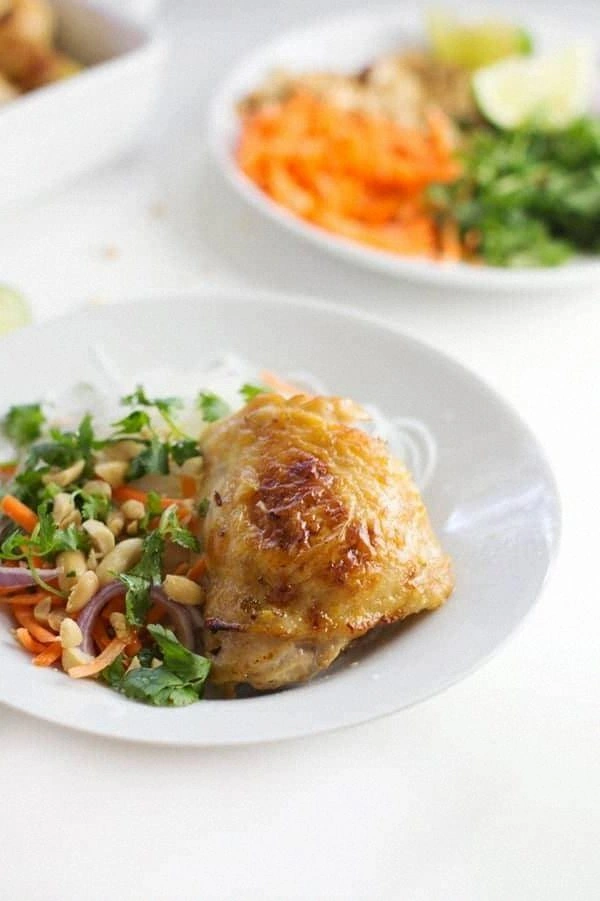
Transfer the chicken to a serving platter, spoon generous amounts of sauce over the top, and garnish with extra cilantro leaves for color. The final presentation should look glossy, vibrant, and inviting – the kind of dish that makes people pause mid‑conversation to snap a photo.
Serve hot with steamed jasmine rice or cauliflower rice, and watch as the sauce pools around the grains like a tropical tide. That sizzle when it hits the pan? Absolute perfection. And now the fun part – dig in and savor every bite.
Kitchen Hack: To keep the chicken extra juicy, let it rest for 5 minutes after cooking; the internal juices redistribute, making each bite melt‑in‑your‑mouth.
That's it — you did it. But hold on, I've got a few more tricks that'll take this to another level...
Insider Tricks for Flawless Results
The Temperature Rule Nobody Follows
Never start with a cold pan. Preheat your skillet for at least two minutes before adding oil; this ensures an immediate sear that locks in moisture. I once tried a “cold‑start” method and ended up with soggy chicken that fell apart. Trust the heat, and the crust will form like a golden armor.
Why Your Nose Knows Best
When the sauce starts to smell like toasted coconut and citrus, you’re at the perfect reduction point. If the aroma fades, you’ve over‑reduced and risk a burnt taste. Use your sense of smell as the ultimate timer – it’s more reliable than a stopwatch.
The 5‑Minute Rest That Changes Everything
After simmering, remove the chicken and let it sit, covered, for five minutes. This brief rest allows the fibers to relax, preventing the meat from squeezing out juices when you cut into it. I’ve seen chefs skip this step and end up with dry bites; don’t be that chef.
Silky Sauce Without a Blender
Instead of blending the sauce, whisk it vigorously after adding the cornstarch slurry. This creates a smooth texture without introducing air bubbles that can make the glaze look dull. A handheld frother works wonders if you’re in a hurry.
Flavor Boost with a Splash of Lime
Just before serving, add an extra teaspoon of lime juice. This brightens the final flavor, especially if the sauce has been sitting for a while. It’s the culinary equivalent of adding a final brushstroke to a masterpiece.
Creative Twists and Variations
This recipe is a playground. Here are some of my favorite ways to switch things up:
Tropical Coconut Curry
Swap the lime juice for 2 tbsp of orange juice, add a teaspoon of curry powder, and finish with toasted coconut flakes. The result is a warm, spiced version that feels like a sunset on the beach.
Spicy Thai Basil
Replace cilantro with a handful of Thai basil leaves and double the chili flakes. The herbaceous peppery bite pairs perfectly with the coconut base for a bold, Thai‑inspired dish.
Low‑Carb Cauliflower “Rice” Bowl
Serve the chicken over cauliflower rice tossed with a splash of lime zest and chopped green onions. This keeps the carb count low while still delivering that satisfying texture.
Grilled Version
Marinate the chicken in the coconut‑lime mixture for 30 minutes, then grill over medium heat for smoky char marks. The grill adds a depth that the stovetop can’t replicate, perfect for backyard gatherings.
Vegan Adaptation
Swap the chicken for firm tofu cubes, press them well, and follow the same searing steps. Use coconut yogurt instead of chicken broth for extra creaminess, and you have a plant‑based delight.
Sweet‑Heat Fusion
Add a tablespoon of pineapple chunks and a drizzle of honey during the simmer. The pineapple’s natural sweetness balances the heat, creating a sweet‑heat harmony that kids love.
Storing and Bringing It Back to Life
Fridge Storage
Allow the dish to cool to room temperature, then transfer to an airtight container. It will keep for up to 4 days. When reheating, add a splash of coconut milk or water, then gently warm on the stove over low heat, stirring until glossy.
Freezer Friendly
Portion the chicken and sauce into freezer‑safe bags, removing as much air as possible. Freeze for up to 3 months. To reheat, thaw overnight in the fridge, then simmer gently, adding a tablespoon of water to restore the sauce’s silkiness.
Best Reheating Method
The microwave will work in a pinch, but for optimal texture, reheat in a skillet over medium heat. Add a tiny splash of water or coconut milk, cover, and stir occasionally. This steams the chicken back to tenderness while keeping the sauce luscious.