Love this? Pin it for later! 📌
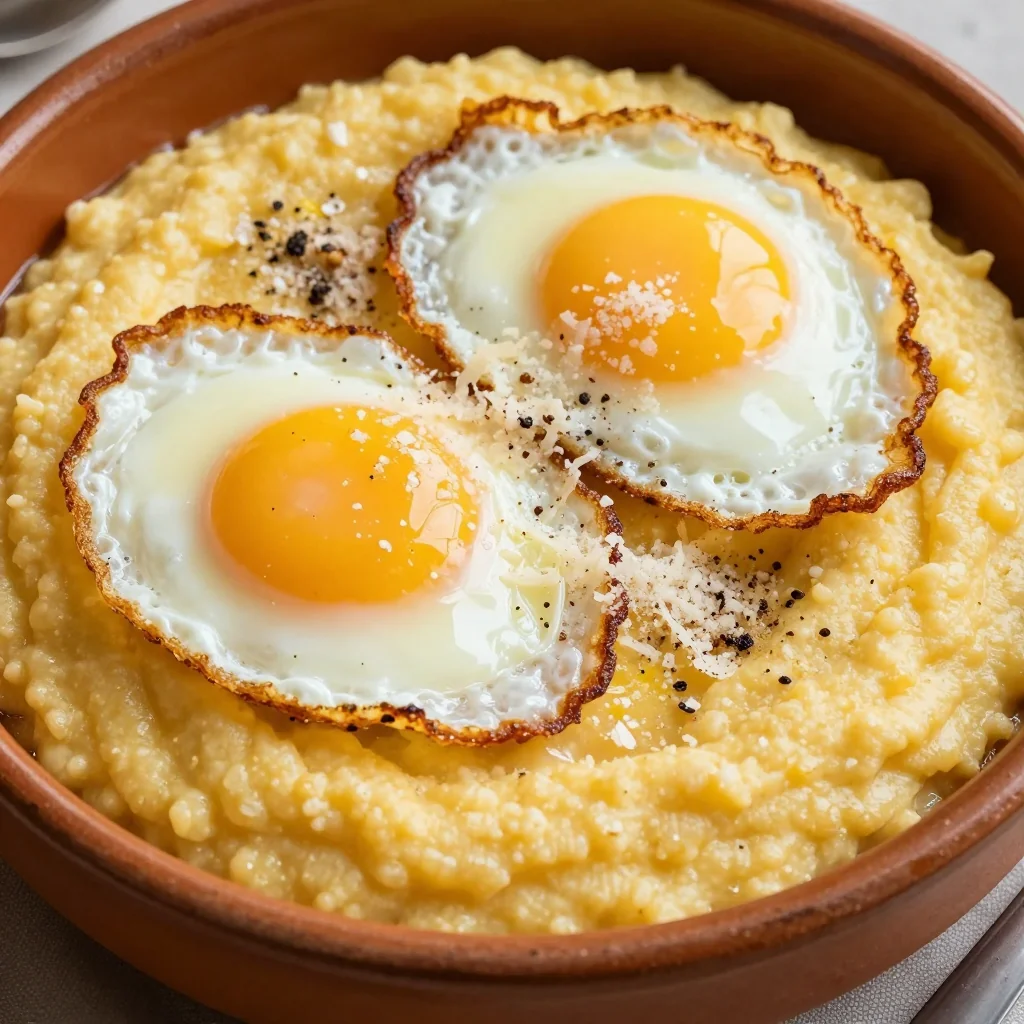
There's something magical about the way creamy polenta hugs a runny egg yolk on a chilly morning. This recipe was born on a rainy Sunday in early November, when the farmers' market was bursting with fresh eggs and my pantry held a bag of stone-ground cornmeal I'd been saving for something special. What started as a desperate attempt to use up ingredients turned into our family's most-requested weekend breakfast.
After years of testing different ratios, temperatures, and toppings, I've perfected what I consider the ultimate comfort breakfast. The polenta is luxuriously creamy with just the right amount of bite, while the eggs are fried to crispy-edged perfection with golden centers that create their own sauce. A snowfall of nutty Parmesan ties everything together in a dish that feels both rustic and elegant.
Whether you're planning a lazy Sunday brunch, need to impress overnight guests, or simply want to elevate your weekday breakfast game, this recipe delivers restaurant-quality results with minimal effort. The best part? It comes together in under 30 minutes, making it practical enough for busy mornings yet special enough for celebrations.
Why This Recipe Works
- Perfect Texture Every Time: My tested ratio of 4:1 liquid to polenta creates the ideal consistency - creamy but not mushy, with individual grains still discernible
- Flavor-Building Technique: Toasting the polenta in butter before adding liquid develops deep, nutty flavors that water alone can't achieve
- Make-Ahead Friendly: The polenta can be prepared up to 3 days ahead and gently reheated with a splash of milk or stock
- Customizable Base: Once you master the basic technique, swap in different cheeses, herbs, or even make it sweet for a unique breakfast experience
- Nutritionally Balanced: Whole grain cornmeal provides complex carbohydrates, while eggs add complete protein to keep you satisfied until lunch
- Budget-Conscious Luxury: This restaurant-quality breakfast costs less than $2 per serving using pantry staples and fresh eggs
- Seasonal Flexibility: Top with spring asparagus, summer tomatoes, fall mushrooms, or winter greens for year-round enjoyment
Ingredients You'll Need
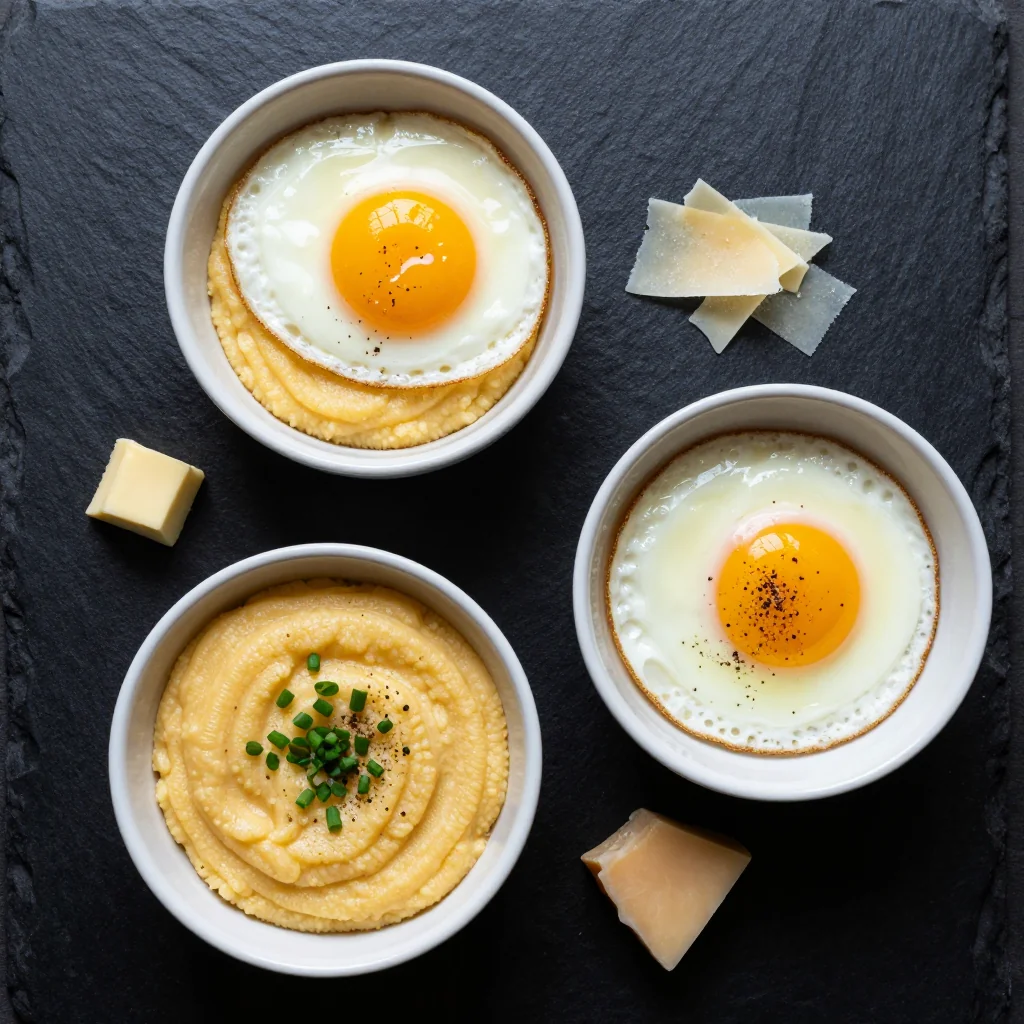
Quality ingredients make all the difference in this simple dish. Here's what to look for and why each component matters:
Stone-Ground Polenta - Skip the instant stuff and seek out authentic stone-ground cornmeal, preferably from a reputable mill. The coarse texture provides better flavor and that satisfying slight bite. Bob's Red Mill makes an excellent widely-available option, but if you have access to local mills, their fresh-ground polenta will elevate your dish to new heights. Store any unused portion in an airtight container in the freezer to maintain freshness.
Whole Milk & Chicken Stock - Using a combination creates the perfect balance of richness and flavor. The milk adds creaminess while the stock provides depth. For the stock, homemade is always best, but a good quality low-sodium store-bought version works well. Vegetable stock makes an excellent substitute for a vegetarian version. I've found that using entirely milk makes the polenta too rich, while all stock can taste savory to the point of being dinner-like.
Fresh Eggs - Since the eggs are the star on top, source the best you can find. Farmers' market eggs with their vibrant orange yolks create the most beautiful presentation and richest flavor. The age of your eggs matters too - slightly older eggs (3-5 days old) fry up with the crispiest edges while maintaining runny centers. If you're buying from the grocery store, check the Julian date on the carton and choose the freshest available.
Aged Parmesan - Please, please skip the pre-grated stuff in the green can. A chunk of real Parmigiano-Reggiano, aged 24-36 months, will transform this dish. The nutty, crystalline texture melts beautifully into the warm polenta while maintaining enough structure to provide textural interest. If budget is a concern, look for domestic Parmesan-style cheeses or even Grana Padano, which offers similar flavors at a lower price point.
Unsalted Butter - European-style butters with higher fat content (82%+) create silkier polenta and crispier egg edges. Kerrygold is widely available and consistently excellent. Using unsalted butter allows you to control the seasoning throughout the cooking process.
Fresh Herbs & Garlic - A clove of garlic gently simmered in the cooking liquid perfumes the entire dish, while fresh herbs added at the end brighten everything. Thyme pairs beautifully with corn, but rosemary or sage work wonderfully too. For the herbs, 1-2 sprigs is plenty - you want a whisper of flavor, not an overwhelming presence.
How to Make Cozy Breakfast Polenta with Fried Eggs and Parmesan
Toast the Polenta
Place a heavy-bottomed saucepan over medium heat and add 2 tablespoons of butter. Once the butter stops foaming and just begins to turn golden, pour in 1 cup of polenta. Stir constantly for 3-4 minutes until the grains smell nutty and turn a shade darker. This crucial step develops complex flavors that can't be achieved by simply boiling. Don't rush this - the toasting process transforms ordinary cornmeal into something extraordinary.
Pro tip: Use a wooden spoon and keep the polenta moving to prevent burning. The aroma should remind you of fresh tortillas or popcorn.
Build the Cooking Liquid
While the polenta toasts, combine 2 cups whole milk, 2 cups chicken stock, and 1 smashed garlic clove in a separate saucepan. Warm over medium heat until steaming but not boiling - around 180°F if you're using a thermometer. The liquid should be hot enough to sizzle when it hits the polenta but not so hot that it splatters dangerously. Season with 1 teaspoon salt and several grinds of black pepper.
Temperature matters: Starting with hot liquid prevents lumps and ensures even cooking from the beginning.
Create the Base
Slowly pour the hot liquid into the toasted polenta while whisking constantly. This should take about 30 seconds - don't dump it all in at once. Once combined, switch to a wooden spoon and reduce heat to low. Add 1 sprig of fresh thyme and let the mixture bubble gently, stirring every 2-3 minutes to prevent sticking.
Patience pays off: The polenta will initially seem too thin, but it thickens considerably as it cooks and cools.
Simmer to Perfection
Continue cooking for 25-30 minutes, stirring frequently and adding liquid as needed. The polenta is done when the grains are tender but still have a slight bite - similar to al dente pasta. You'll need to add 1/2 to 1 cup additional liquid (water, stock, or milk) during cooking as the polenta thickens. The final consistency should be like very thick oatmeal or loose mashed potatoes.
Test for doneness: Taste a spoonful - it should be creamy without any hard, gritty bits.
Finish with Cheese
Remove from heat and discard the thyme sprig and garlic clove. Stir in 3/4 cup freshly grated Parmesan cheese and 1 tablespoon butter until melted and incorporated. The residual heat should be sufficient to melt everything into a silky, cohesive mixture. Taste and adjust seasoning - you'll likely need another pinch of salt and some pepper.
Keep it warm: Cover the pot and set aside while you prepare the eggs. The polenta will continue to thicken as it sits.
Heat Your Pan
Place a large non-stick or well-seasoned cast iron skillet over medium-high heat. You want the pan hot enough that a drop of water sizzles and evaporates immediately. Add 1 tablespoon of butter and 1 tablespoon of olive oil - the combination prevents the butter from burning while still providing that delicious nutty flavor.
Hot pan, cold oil: This prevents sticking and ensures crispy edges on your eggs.
Fry the Eggs
Crack 4 eggs into individual small bowls or ramekins. Once the butter stops foaming, carefully slide each egg into the pan. Cook for 2-3 minutes until the whites are set but the yolks are still jiggly. For crispier edges, increase heat slightly and baste the whites with hot fat using a spoon. Season with salt and pepper during the last 30 seconds of cooking.
Room temperature eggs: Remove from refrigerator 10 minutes before cooking for more even cooking and better texture.
Assemble and Serve
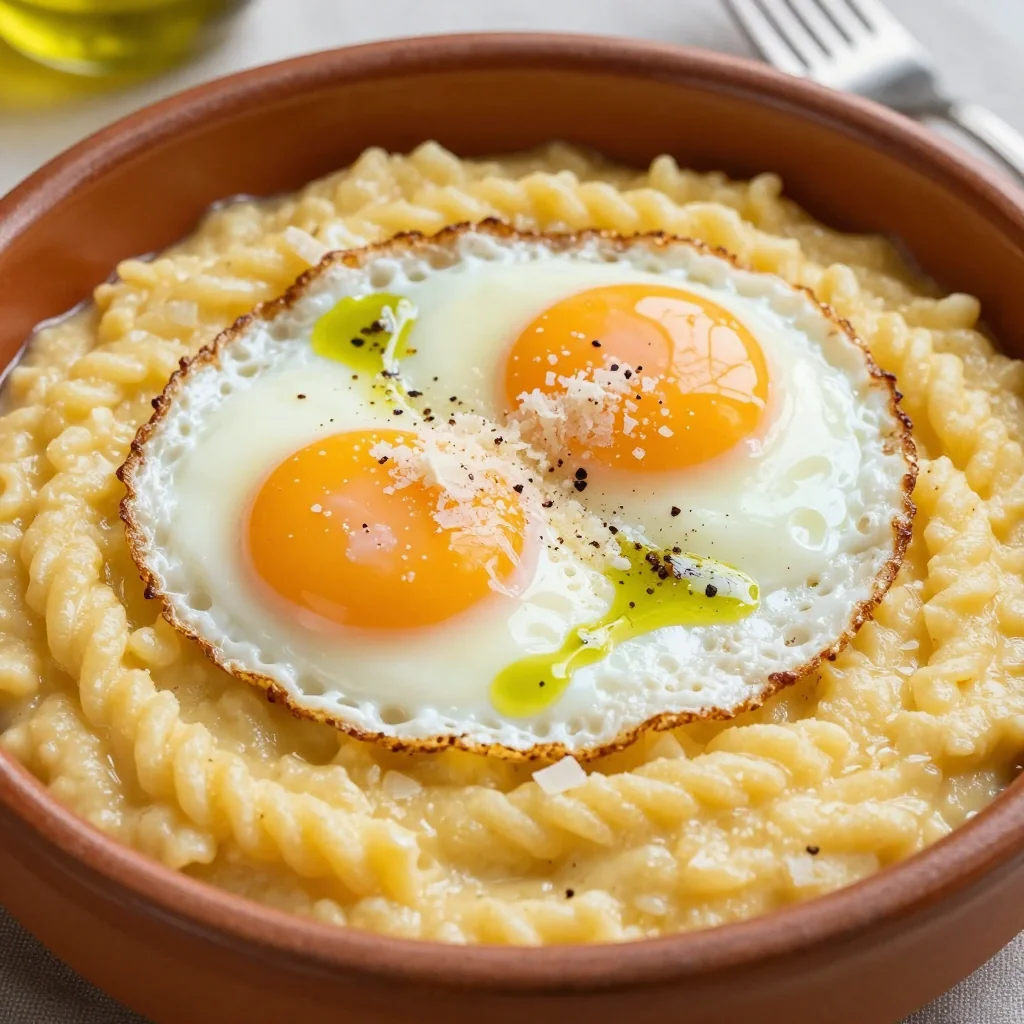
Divide the warm polenta among 4 shallow bowls, creating a well in the center with the back of your spoon. Place a fried egg on each portion and shower with the remaining Parmesan cheese. Finish with freshly ground black pepper, a drizzle of good olive oil, and any desired toppings like crispy bacon, sautéed mushrooms, or fresh herbs.
Perfect timing: Have everything ready so you can serve immediately while the eggs are still warm and the yolks are runny.
Expert Tips
Temperature Control
Maintain gentle heat throughout cooking - too high and the polenta will scorch, too low and it won't develop proper creaminess. If it starts to spit or stick, reduce heat immediately.
Liquid Ratios
Keep extra warm liquid nearby. Polenta continues absorbing liquid as it sits, so having hot stock or milk ready lets you adjust consistency right before serving.
Stirring Schedule
Stir every 2-3 minutes rather than constantly. This allows the bottom to develop a slight crust that adds flavor, while preventing burning.
Overnight Method
For ultra-creamy results, cook polenta for 15 minutes, then cover and let sit off heat for 30 minutes. Return to heat and finish cooking - the grains will be exceptionally tender.
Egg Timing
Start your eggs when the polenta has 5 minutes left. This ensures everything is hot and ready simultaneously. Have plates warming in a low oven.
Equipment Matters
A heavy-bottomed pot is essential for even heat distribution. Enameled cast iron works beautifully, but any thick pot will prevent hot spots and burning.
Variations to Try
Mushroom & Thyme
Sauté mixed wild mushrooms in butter with garlic and fresh thyme. Spoon over the polenta before adding the egg for an earthy, umami-rich version.
Smoky Bacon & Chive
Render diced bacon until crispy, use the fat to cook the polenta, and sprinkle the bacon bits with fresh chives over the finished dish.
Greek-Style
Replace Parmesan with crumbled feta, add chopped fresh oregano and dill, and top with diced tomatoes and cucumber for a Mediterranean twist.
Spicy Southwest
Add diced green chiles to the polenta, use pepper jack cheese, top with pico de gallo, sliced avocado, and a sprinkle of cotija cheese.
Sweet Breakfast Version
Cook polenta with milk, honey, and vanilla. Top with maple-syrup fried eggs, crispy pancetta, and a dusting of cinnamon for sweet-savory perfection.
Truffle Luxury
Finish the polenta with a drizzle of white truffle oil and top with poached eggs instead of fried. A shower of black truffle shavings makes it restaurant-worthy.
Storage Tips
Refrigeration
Cooked polenta keeps beautifully for up to 5 days when stored properly. Transfer to an airtight container while still warm, press plastic wrap directly against the surface to prevent a skin from forming, and refrigerate promptly. The texture will firm up considerably when cold - this is perfect for grilling or pan-frying later.
Reheating Methods:
- Stovetop: Break cold polenta into chunks and place in a saucepan with 1/2 cup liquid (milk, stock, or water) per cup of polenta. Heat gently over medium-low heat, whisking frequently until smooth and hot.
- Microwave: Place in a microwave-safe bowl with 2-3 tablespoons liquid per cup, cover loosely, and heat in 30-second intervals, stirring between each, until hot and creamy.
- Double Boiler: For gentlest reheating, place polenta in a heatproof bowl over simmering water, stirring occasionally until heated through.
Freezing
Polenta freezes surprisingly well for up to 3 months. Portion into freezer-safe containers or spread 1/2-inch thick on a parchment-lined baking sheet, freeze until solid, then cut into portions and wrap individually. Thaw overnight in the refrigerator before reheating using one of the methods above.
Make-Ahead Strategy
For stress-free entertaining, cook the polenta completely up to 2 days ahead. Store covered in the refrigerator, then reheat gently with additional liquid while your guests arrive. Fry the eggs fresh just before serving - they only take 3 minutes and make all the difference in presentation and taste.
Frequently Asked Questions
While both are made from ground corn, the key differences lie in the type of corn and texture. Polenta is made from flint corn (harder) ground to various textures, resulting in a more toothsome final product. Grits are typically made from dent corn (softer) and are often more finely ground, especially quick-cooking varieties. Southern grits tend to be creamier and white, while Italian polenta has more texture and can be yellow or white depending on the corn variety.
Absolutely! Replace the milk with unsweetened oat milk or almond milk - they have the closest texture to dairy milk. Use olive oil instead of butter, and nutritional yeast or a dairy-free Parmesan alternative. The result will be slightly different but still delicious. For the creamiest dairy-free version, use full-fat coconut milk diluted with vegetable stock.
Lumpy polenta usually results from adding liquid too quickly or not stirring enough initially. For minor lumps, whisk vigorously or use an immersion blender for a few seconds. For severe lumps, force the polenta through a fine-mesh sieve, then return to the pot and continue cooking. Prevention is key - always add hot liquid slowly while whisking constantly at the beginning.
While you can substitute instant polenta in a pinch, the texture and flavor won't be the same. Instant polenta cooks in 5-8 minutes and tends to be softer and less complex in flavor. If using instant, reduce the cooking liquid by 1/2 cup and cooking time to 5-7 minutes. The final dish will be more like a soft porridge than the hearty texture achieved with traditional polenta.
Several cheeses work well as substitutes. Aged Asiago or Pecorino Romano provide similar nutty, salty notes. For a milder flavor, use fontina or even sharp white cheddar. In a pinch, nutritional yeast provides umami depth for a dairy-free version. Use the same amount called for in the recipe, adjusting to taste based on the saltiness of your substitute.
The secret is high heat and the right fat. Use a combination of butter and oil in a very hot pan. Crack the egg in and let it sizzle for 30 seconds, then reduce heat slightly. Spoon hot fat over the egg white to help it set faster while keeping the yolk runny. Remove from heat just before the white is completely set - residual heat will finish the cooking.
Cozy Breakfast Polenta with Fried Eggs and Parmesan
Ingredients
Instructions
- Toast the polenta: In a heavy-bottomed saucepan, melt 2 tablespoons butter over medium heat. Add polenta and cook, stirring constantly, until fragrant and lightly toasted, 3-4 minutes.
- Prepare cooking liquid: Meanwhile, combine milk, stock, garlic, and thyme in a separate saucepan. Heat until steaming but not boiling.
- Cook polenta: Slowly pour hot liquid into toasted polenta while whisking. Reduce heat to low and cook, stirring frequently, until thick and creamy, 25-30 minutes.
- Add cheese: Remove from heat and stir in 3/4 cup Parmesan and remaining 1 tablespoon butter until melted. Season with salt and pepper.
- Fry eggs: Heat olive oil and remaining 1 tablespoon butter in a large skillet over medium-high heat. Crack eggs into pan and fry until whites are set but yolks are runny, 2-3 minutes.
- Serve: Divide polenta among bowls, top with fried eggs, remaining Parmesan, and fresh herbs if using. Serve immediately.
Recipe Notes
For extra creamy polenta, add 1/4 cup heavy cream during the last 5 minutes of cooking. If polenta becomes too thick, simply whisk in warm stock or milk until desired consistency is reached.