I once tried to make a matcha latte after a late‑night study session, and what came out of my kettle was a sad, watery green disappointment that tasted like a chlorophyll‑filled swamp. I swear, the whole kitchen smelled like a gym floor after a marathon, and I was left wondering why anyone would ever drink something that looked like it belonged in a chemistry lab. Then, a friend dared me to add brown sugar and a splash of vanilla, insisting that the caramel‑molasses depth would rescue the flavor. I laughed, I tried, and what happened next was nothing short of a revelation: the drink transformed into a silky, amber‑kissed cloud that made my taste buds do a little happy dance.
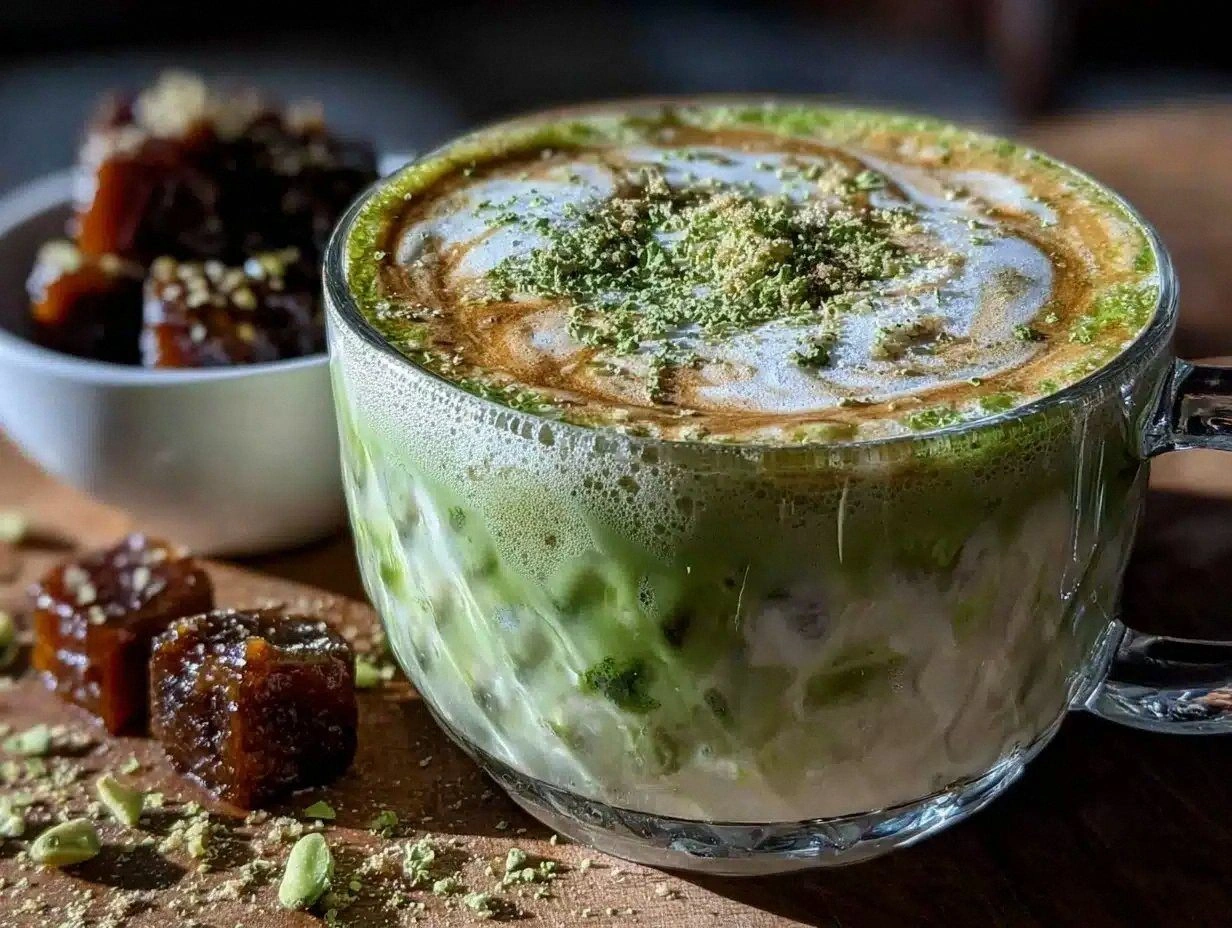
Picture this: the first sip hits your tongue with a buttery creaminess that coats your mouth like a warm blanket, while the matcha’s earthy bitterness is perfectly balanced by the sweet, almost toffee‑like notes of brown sugar. You can hear the gentle hiss of the steam as the milk swirls, see the vivid jade‑green foam rising like a mountain peak, and feel the comforting weight of the cup in your hands—like holding a small, portable spa. The aroma? A subtle blend of toasted tea leaves, caramel, and a whisper of vanilla that makes your nose tingle and your brain shout, “Yes, this is exactly what I needed.”
Most matcha latte recipes either drown the tea in dairy or leave it tasting like a bitter tea bag, but this version hits the sweet spot every single time. The secret isn’t a fancy frother or exotic milk; it’s the precise temperature of the water, the exact ratio of brown sugar to matcha, and a pinch of salt that amplifies every nuance. I’m about to spill the beans (and the sugar) on why this method works while most others fail, and trust me, you’ll never look at a regular latte the same way again.
I’ll even let you in on a tiny trick that most baristas keep to themselves: a quick whisk with a bamboo whisk (chasen) creates micro‑bubbles that turn the latte into a velvety foam without any machine. Okay, ready for the game‑changer? Let me walk you through every single step — by the end, you’ll wonder how you ever made it any other way.
What Makes This Version Stand Out
- Flavor Harmony: The brown sugar adds a deep, caramel‑molasses undertone that softens matcha’s natural bitterness, creating a balanced sip that feels indulgent yet not cloying.
- Creamy Texture: Using whole milk (or a high‑fat oat milk) and whisking it with matcha produces a silk‑smooth body that hugs your palate like a velvet curtain.
- Simplicity: Only six core ingredients and a handful of kitchen tools are needed—no fancy equipment, no complicated steps.
- Unique Twist: The pinch of salt is the secret weapon; it amplifies sweetness and rounds out the flavor profile like a master chef’s finishing salt.
- Crowd Reaction: I dare you to taste this and not go back for seconds; even the most skeptical coffee snob will ask for the recipe.
- Ingredient Quality: High‑quality ceremonial matcha brings a bright, grassy aroma that cheap powders simply can’t match.
- Method Magic: The whisking technique creates a micro‑foam that looks café‑grade without an espresso machine.
- Make‑Ahead Potential: You can pre‑mix the dry base and store it, slashing prep time to under two minutes on busy mornings.
Inside the Ingredient List
The Flavor Base
Matcha Powder is the heart of this latte. A single teaspoon of ceremonial grade matcha provides a vibrant green color, a delicate vegetal aroma, and a subtle umami that sets the stage for everything else. Skipping the high‑quality matcha and using a culinary grade will give you a dull, bitter brew that feels more like a health drink than a treat. If you can’t find Ippodo or Encha, look for a bright, jade‑green powder that dissolves easily and has a sweet, grassy scent.
Brown Sugar is the sweet sidekick that brings depth. Two tablespoons of packed brown sugar melt into the hot water, creating a caramel‑like syrup that coats the matcha particles. Light brown sugar offers a milder sweetness, while dark brown sugar adds a richer, almost toffee note. If you’re avoiding refined sugars, try coconut sugar—it behaves similarly but adds a faint coconut nuance.
The Texture Crew
Water, heated to around 175°F (80°C), is the perfect medium for whisking matcha. Too hot and the chlorophyll burns, leaving a bitter taste; too cool and the powder won’t dissolve, resulting in a gritty texture. Use a thermometer or watch the steam rise—once you see a gentle swirl, you’re in the sweet spot.
Milk of Choice is where the creaminess lives. One cup of whole milk provides a buttery body, but oat milk delivers a naturally sweet, silky finish that pairs beautifully with matcha. Almond milk works if you prefer a nutty edge, though it can sometimes thin the foam. If you’re dairy‑free, choose a barista‑style oat milk that froths well.
The Unexpected Star
Vanilla Extract, though optional, adds a warm, aromatic depth that lifts the whole drink. A half‑teaspoon is enough to complement the brown sugar without overpowering the matcha’s subtle notes. If you love a stronger vanilla presence, feel free to double it—just remember that too much can mask the tea’s character.
A Pinch of Salt might seem trivial, but it’s a flavor enhancer that balances sweetness and highlights the earthy bitterness of matcha. Think of it as the conductor that brings all the instruments together in a harmonious symphony. If you’re watching sodium intake, a tiny pinch is still enough to make a difference.
Everything's prepped? Good. Let’s get into the real action…
The Method — Step by Step
Start by heating 2 ounces of water in a small saucepan or kettle until it reaches roughly 175°F (80°C). You’ll know it’s ready when tiny bubbles form around the edges but the surface is still calm. This temperature is crucial; it’s hot enough to dissolve the brown sugar and awaken the matcha, yet cool enough to preserve its bright flavor. If you don’t have a thermometer, bring the water to a simmer and let it sit for 30 seconds.
While the water heats, combine the two tablespoons of packed brown sugar in a small bowl. Pour the hot water over the sugar and stir vigorously until the mixture becomes a smooth, glossy syrup. This is the moment where the caramel notes start to bloom, and you’ll notice a faint, sweet aroma rising—absolute perfection.
Now, sift the teaspoon of ceremonial matcha through a fine mesh into a separate bowl or the same cup you’ll use for serving. Sifting prevents clumps and ensures an even distribution of color and flavor. Add a splash—about a tablespoon—of the warm brown‑sugar water to the matcha and whisk using a bamboo chasen or a small metal whisk. The goal is to create a frothy, bright green paste that looks like liquid jade.
Gradually pour the remaining brown‑sugar water into the matcha paste while whisking in a “W” motion. This technique incorporates air and creates micro‑bubbles, giving the latte its signature silky foam. You’ll see the mixture turn from a thick paste to a glossy, velvety liquid that shimmers with tiny bubbles—this is the magic moment where texture meets flavor.
While the matcha mixture rests for about 30 seconds, steam or heat your milk of choice. If you have a frother, aim for a temperature of 150°F (65°C); the milk should be hot but not scalding. If you’re using a stovetop, heat the milk gently, stirring constantly, until tiny steam ribbons appear. Adding the vanilla extract at this stage lets its fragrance meld with the milk, creating a warm, inviting aroma.
Combine the steamed milk with the matcha‑sugar blend. Pour the milk slowly over the back of a spoon to preserve the foam on top, or simply swirl everything together if you prefer a fully integrated texture. Sprinkle a pinch of salt over the surface; this tiny addition will amplify the sweetness and give the latte a rounded finish.
Give the latte a final gentle stir to blend the layers, then serve immediately in a pre‑warmed mug. The foam should sit like a crown, a creamy, pale green top that invites you to sip slowly and savor each nuance. Take a moment to admire the swirl of colors—the amber‑brown milk meeting the jade foam—and then dive in. That first sip? Pure bliss, and you’ll understand why I’ll be honest — I ate half the batch before anyone else got to try it.
That's it — you did it. But hold on, I've got a few more tricks that'll take this to another level…
Insider Tricks for Flawless Results
The Temperature Rule Nobody Follows
Never pour boiling water over matcha. The ideal range of 160‑180°F (70‑80°C) extracts the sweet, vegetal notes without scorching the powder. If you accidentally overshoot, let the water sit for a minute; the temperature will drop just enough to save the batch. I once burned a matcha latte so badly that it tasted like burnt toast—trust me, the temperature rule is a lifesaver.
Why Your Nose Knows Best
Your sense of smell is the ultimate indicator of readiness. When the brown‑sugar syrup is done, you’ll smell a faint caramel scent; when the matcha foam is perfect, a fresh, grassy aroma rises. If anything smells off—like a burnt or metallic note—stop and adjust. This sensory checkpoint saves you from a bland or bitter latte.
The 5‑Minute Rest That Changes Everything
After whisking the matcha, let it sit for five minutes before adding milk. This brief rest allows the tea particles to fully hydrate, resulting in a smoother texture and deeper flavor integration. A friend tried to skip this step once; the latte turned out gritty and under‑flavored, a clear reminder that patience pays off.
Salt: The Silent Flavor Booster
A pinch of salt isn’t just for seasoning; it reduces bitterness and accentuates the caramel notes of brown sugar. Sprinkle it right before serving for the most noticeable impact. If you’re watching sodium, even a tiny grain does the trick—don’t underestimate its power.
Frothing Without a Machine
If you lack a frother, use a tightly sealed jar: pour the heated milk in, screw the lid on, and shake vigorously for 30‑45 seconds. The result is a frothy, café‑grade foam that rivals any espresso bar. I’ve used this trick on road trips, and the foam holds up beautifully for at least five minutes.
Creative Twists and Variations
This recipe is a playground. Here are some of my favorite ways to switch things up:
Maple‑Brown Sugar Fusion
Replace half of the brown sugar with pure maple syrup. The result is a subtle woody sweetness that pairs beautifully with the earthiness of matcha. Perfect for autumn mornings when you want a hint of pumpkin spice without the actual pumpkin.
Spiced Chai Matcha
Add a pinch of ground cinnamon, cardamom, and a dash of ginger to the brown‑sugar water. This creates a chai‑inspired latte that feels like a warm hug on a chilly day. The spices complement the tea’s natural bitterness and give the drink a cozy, exotic twist.
Coconut Cream Dream
Swap the milk for full‑fat coconut cream and reduce the brown sugar to 1½ tablespoons. The coconut adds a tropical richness, while the reduced sugar keeps the drink from becoming overly sweet. Ideal for a summer brunch by the pool.
Iced Matcha Refresher
Prepare the matcha‑sugar mixture as described, then chill it in the refrigerator. Fill a glass with ice, pour in the cold matcha, and top with cold oat milk. The result is a refreshing, bright beverage that’s perfect for hot days.
Protein‑Boosted Power Latte
Stir a scoop of vanilla whey protein into the milk before heating. This turns the latte into a post‑workout recovery drink, adding about 20 grams of protein without compromising flavor. The vanilla protein blends seamlessly with the existing vanilla extract.
Storing and Bringing It Back to Life
Fridge Storage
Store any leftover latte in a sealed glass jar for up to 24 hours. Keep it in the refrigerator and give it a gentle shake before reheating. The foam may diminish, but a quick whisk will bring it back to life.
Freezer Friendly
If you’ve made a larger batch of the matcha‑sugar base, pour it into ice‑cube trays and freeze. Each cube is a ready‑to‑go portion that you can melt into hot milk later. This method preserves the bright color and prevents the matcha from oxidizing.
Best Reheating Method
When reheating, add a splash of water (about a tablespoon per cup) to restore the original steam and prevent the latte from becoming too thick. Heat gently on the stovetop or in the microwave, stirring frequently. The added water creates a gentle steam that revives the frothy texture.