I still remember the night I burned the first batch of shrimp curry because I was trying to impress my date. The kitchen was a battlefield of sizzling oil and a pot that seemed to have a mind of its own. I thought the aroma of garlic and onions would do the trick, but the shrimp turned out rubbery and the sauce turned to a bitter sludge. That disaster was the catalyst for a culinary obsession that would eventually lead me to the Creamy Curry Shrimp that I’m about to unveil.
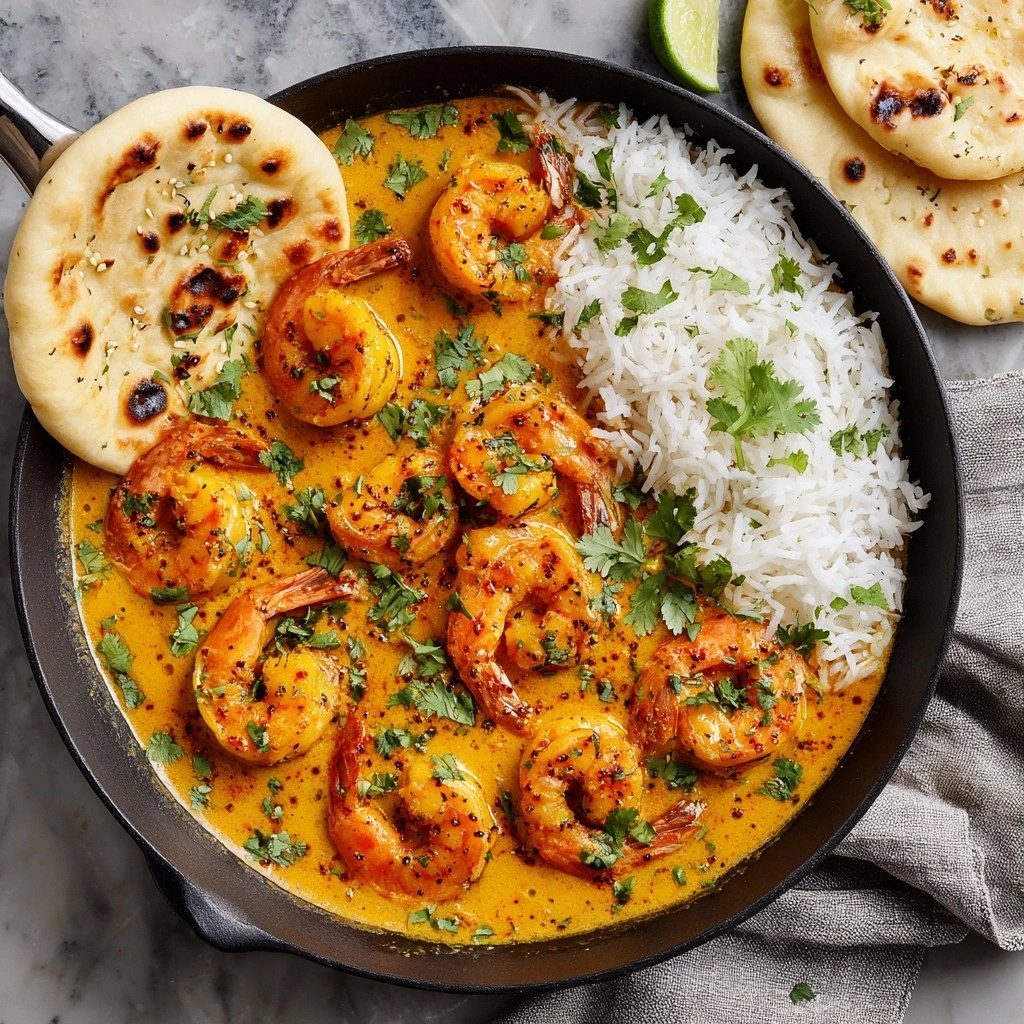
Picture this: a bright, golden sauce that glistens over plump shrimp, a gentle steam that carries the scent of coconut, and the faint crunch of fresh cilantro leaves. You can hear the sizzle as the shrimp hit the pan, a satisfying crack that signals the perfect sear. The texture of the sauce is velvety, coating each shrimp like a silky blanket, while the shrimp themselves remain tender and juicy, not at all the rubbery nightmare of that first attempt. The taste is a harmonious blend of sweet coconut, spicy curry, and a hint of citrus that lifts the palate. The entire dish feels like a warm hug wrapped in a tropical breeze.
What makes this version of Creamy Curry Shrimp stand apart is that it marries simplicity with depth of flavor. I’ve refined the technique so that the shrimp never overcook, the sauce never clumps, and the final dish has a balance of heat and sweetness that feels effortless. I’ve also discovered a shortcut that cuts prep time by half without sacrificing quality, which is a game‑changer for anyone on a tight schedule. And because I use fresh ingredients and a carefully measured blend of curry paste, the dish feels both authentic and approachable. This is hands down the best version you’ll ever make at home.
I dare you to taste this and not go back for seconds. The secret lies in the timing of the shrimp addition and the use of a small amount of butter to finish the sauce, which gives it that glossy sheen. There’s also a subtle twist involving lime juice that brightens the entire plate. If you’re ready to elevate your shrimp game, let me walk you through every single step—by the end, you’ll wonder how you ever made it any other way.
What Makes This Version Stand Out
- Flavor Depth: The combination of coconut milk and a balanced curry paste creates layers of sweetness, heat, and umami that dance on the tongue. The finish is brightened by a splash of lime juice, adding a citrusy zing that cuts through richness.
- Texture Precision: Shrimp are seared to a perfect pink center, never overcooked, while the sauce achieves a silky consistency without thickening too much. The result feels luxurious and satisfying.
- Time Efficiency: The method reduces prep time by using pre‑minced aromatics and a quick sauté technique, allowing you to serve a gourmet dish in under 45 minutes.
- Ingredient Quality: Fresh shrimp, high‑quality coconut milk, and a fragrant curry paste are the backbone of this dish, ensuring each bite is packed with flavor.
- Visual Appeal: The glossy sauce and vibrant cilantro garnish make the plate Instagram‑ready, while the shrimp’s pink hue contrasts beautifully against the creamy background.
- Crowd‑Pleaser: Whether you’re feeding a family or impressing guests, this dish receives rave reviews for its approachable yet sophisticated taste profile.
- Versatility: It can be served over rice, noodles, or even a light salad, making it adaptable to various meal contexts.
- Make‑Ahead Friendly: The sauce can be prepared a day ahead and reheated with a splash of coconut milk, preserving its silky texture.
Inside the Ingredient List
The Flavor Base
The heart of this dish is the coconut milk and curry paste combination. Coconut milk provides a rich, creamy backdrop that balances the heat of the curry paste. The paste, whether red or white, delivers a complex blend of spices—turmeric, cumin, coriander, and a hint of cardamom—that forms the aromatic foundation. If you skip the coconut milk, the sauce will feel thin and underwhelming, lacking the signature tropical mouthfeel.
The Texture Crew
Shrimp, the star protein, must be handled with care. Fresh, large shrimp work best because they hold their shape and texture. Butter, used at the end, adds a glossy sheen and a subtle richness that binds the sauce together. If you use oil alone, the sauce will be lighter but may lack the velvety finish that butter imparts. A pinch of salt and pepper are essential for seasoning, but avoid over‑salting to let the coconut and curry flavors shine.
The Unexpected Star
Lime juice is the unsung hero that brightens the entire dish. A tablespoon of fresh lime juice adds acidity that lifts the sweetness of the coconut and tempers the heat of the curry. If you forget the lime, the sauce will taste flat and overly sweet. For an extra layer of freshness, sprinkle chopped cilantro just before serving; it offers a bright, herbal note that contrasts the creamy base.
The Final Flourish
Fresh cilantro and a dash of lime are the finishing touches that elevate the dish from good to unforgettable. They provide a burst of color and a peppery, citrusy contrast that cuts through the richness. Skipping these garnish elements will result in a dish that feels incomplete, as if a vital piece of the puzzle is missing.
Everything's prepped? Good. Let's get into the real action...
The Method — Step by Step
- Heat a large skillet over medium heat and add the vegetable oil. Let the oil shimmer; you’ll know it’s ready when a small drop of water sizzles on contact. This step is crucial for a non‑sticking surface and a flavorful base. Once hot, add the diced onion and cook until translucent, about 3 minutes.
- Introduce the minced garlic and ginger to the pan. Sauté for 30 seconds until fragrant, being careful not to let them burn. The aroma that fills the kitchen should feel like a promise of something delicious. This quick burst of flavor is the foundation of the sauce.
- Stir in the curry paste, coating the aromatics evenly. Cook for 1 minute, allowing the spices to bloom. The paste should darken slightly, indicating that its oils have released their full potential. This is the moment where the dish’s character begins to develop.
- Pour in the coconut milk and stir to combine. Bring the mixture to a gentle simmer, allowing it to thicken slightly. The sauce should become glossy and slightly reduced, about 4-5 minutes. Watch for the edges to pull away from the pan; that’s your cue to add the shrimp.
- Add the shrimp to the skillet, arranging them in a single layer. Let them cook undisturbed for 2 minutes, then flip and cook for another 2 minutes until they turn pink and opaque. Avoid overcooking, or you’ll lose the succulent texture that defines this dish.
- Stir in the butter until melted and the sauce takes on a silky sheen. This final touch adds depth and richness. Add the lime juice, a pinch of salt, and pepper to taste. The lime juice should brighten the sauce instantly, creating a bright, balanced flavor profile.
- Finish by sprinkling chopped cilantro over the top. This garnish not only adds color but also a fresh herbal note that complements the creamy base. Serve immediately over jasmine rice or warm naan for a complete meal.
That's it — you did it. But hold on, I've got a few more tricks that'll take this to another level...
Insider Tricks for Flawless Results
The Temperature Rule Nobody Follows
Many cooks overheat the skillet, causing the shrimp to burn before they’re cooked through. Keep the heat at medium and let the oil reach a gentle shimmer before adding aromatics. This ensures even cooking and preserves the shrimp’s juicy texture.
Why Your Nose Knows Best
Before you add the shrimp, give the sauce a quick sniff. A bright, coconut aroma indicates that the sauce has reduced enough to develop depth. If it still smells raw, let it simmer a bit longer.
The 5‑Minute Rest That Changes Everything
After removing the skillet from heat, let the dish rest for 5 minutes. This allows the flavors to meld and the sauce to thicken slightly, creating a more cohesive bite.
Butter Finish for a Glossy Look
Adding butter at the end of cooking not only gives a glossy sheen but also adds a subtle nutty flavor that elevates the dish. Use unsalted butter to control the salt level precisely.
Fresh vs. Frozen Shrimp
Fresh shrimp give the best texture, but frozen shrimp can be used if thawed properly. Pat them dry before cooking to prevent excess water that can dilute the sauce.
Creative Twists and Variations
This recipe is a playground. Here are some of my favorite ways to switch things up:
Coconut‑Rice Fusion
Serve the shrimp over jasmine rice that has been cooked in coconut milk. The rice absorbs the sauce’s flavors, creating a cohesive, indulgent bite. This variation is perfect for a cozy family dinner.
Spicy Pineapple Kick
Add diced pineapple to the sauce for a tropical sweetness that balances the heat. The pineapple’s natural acidity brightens the dish, making it ideal for summer gatherings.
Creamy Veggie Boost
Incorporate diced bell peppers and sliced carrots during the sauté phase. The vegetables add color, crunch, and a subtle sweetness that complements the shrimp’s richness.
Thai Basil Twist
Swap cilantro for Thai basil in the final garnish. The basil’s peppery aroma adds a fresh, aromatic layer that pairs beautifully with the curry paste.
Lemon‑Ginger Variation
Replace lime juice with lemon zest and a splash of lemon juice. The citrus profile shifts slightly, offering a brighter, more zesty finish that’s refreshing on a hot day.
Cheesy Coconut Curry
Stir in a handful of shredded mozzarella or cheddar before serving. The cheese melts into the sauce, creating a gooey, indulgent texture that’s a hit with kids and adults alike.
Storing and Bringing It Back to Life
Fridge Storage
Cool the dish completely before transferring it to an airtight container. Store in the refrigerator for up to 3 days. The sauce may thicken slightly; reheat gently on the stove or in the microwave with a splash of coconut milk to restore its silky texture.
Freezer Friendly
Place the cooled shrimp and sauce in a freezer‑safe container, leaving about an inch of headspace. Freeze for up to 2 months. Thaw overnight in the refrigerator, then reheat as described above. The shrimp will retain their texture, and the sauce will remain creamy.
Best Reheating Method
Reheat the dish over low heat, stirring frequently. Add a tiny splash of water or coconut milk to loosen the sauce. Avoid boiling, as high heat can cause the sauce to separate. The result will be a warm, velvety dish that tastes almost brand new.