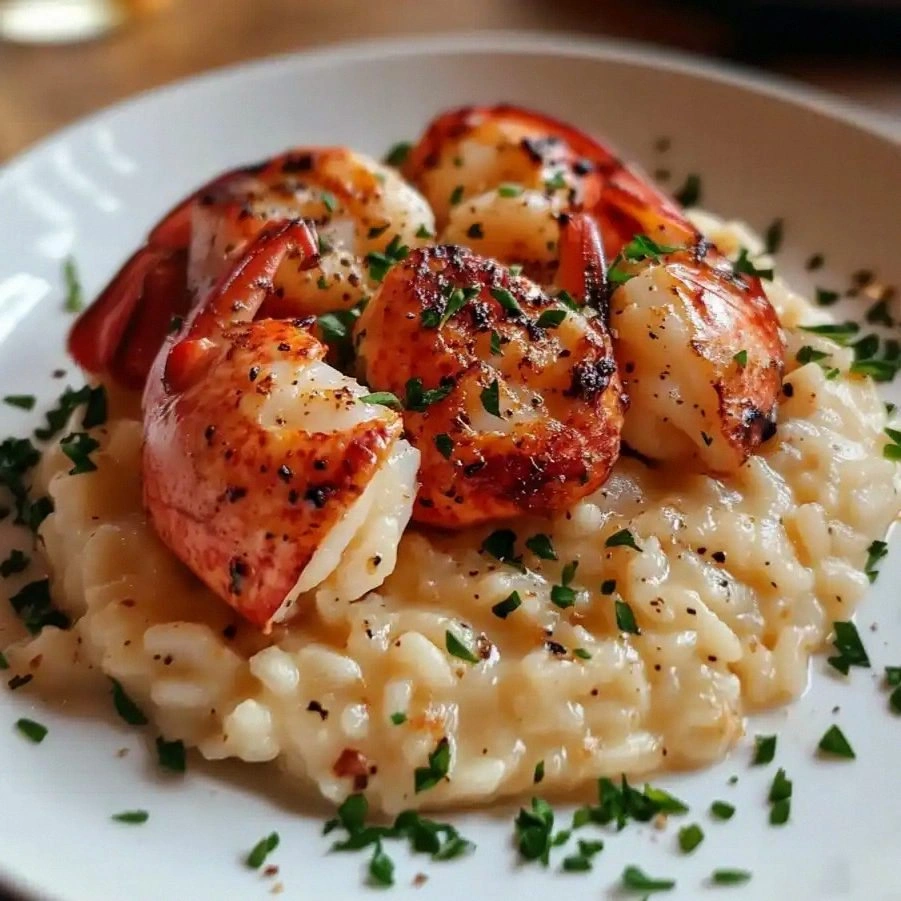
Picture this: I’m standing in a cramped kitchen, the oven timer blaring, a box of lobster tails trembling in my hands, and a stubborn craving for something that feels like a hug from the sea. I remember the last time I tried a risotto, it was either too dry or a soggy, flavorless mess that made me question my culinary destiny. That night, I decided to turn the tide and create a creamy lobster risotto that would silence every skeptic in my kitchen. I dared my friends to taste this and not go back for seconds, and the result was a dish that, I swear, could make even the most cynical foodie swoon.
When the first crackle of butter hits the pan, you can almost hear the applause of a Michelin-star kitchen. The aroma of sautéed shallots and garlic rises like a fragrant fog, promising a depth of flavor that goes beyond the ordinary. Every grain of Arborio rice glistens, ready to absorb the liquid and become a velvety canvas. The sound of the stock simmering is a gentle lullaby, while the gentle swirl of wine adds a bright, citrusy whisper that cuts through the richness. You feel the heat rise from the skillet, the heat that will coax the lobster meat into tender perfection. And when the first bite arrives, it’s a silky, buttery explosion that coats the palate like velvet, followed by the sweet, briny bite of lobster that lingers like a memory.
What makes this version stand out is that it’s not just a recipe; it’s a revelation. I’ve taken the classic risotto technique, stripped away the fluff, and layered it with a secret sauce that keeps the rice creamy without the need for constant stirring. The lobster isn’t just a garnish; it’s the star, plucked from the sea and folded into the dish at the perfect moment to preserve its delicate texture. The combination of dry white wine and Parmesan creates a harmonious balance that elevates every bite. It’s hands down the best version you’ll ever make at home, and I’ve got the proof in every spoonful. Picture yourself pulling this out of the oven, the whole kitchen smelling incredible, and knowing you’ve created something truly special.
Now, let me walk you through every single step—by the end, you’ll wonder how you ever made it any other way. I’ll be honest—this dish is a bit of a showstopper, and I’ll share the little secrets that make it flawless. If you’ve ever struggled with a risotto that turns out too watery or too thick, you’re not alone—and I’ve got the fix. Stay with me here—this is worth it.
What Makes This Version Stand Out
- Richness: The combination of butter, olive oil, and Parmesan creates a luxurious mouthfeel that feels like a warm blanket. The lobster adds a natural sweetness that balances the creaminess perfectly.
- Texture: Each grain of Arborio rice is perfectly al dente, providing a slight bite that contrasts with the melt-in-your-mouth lobster. The sauce coats the rice like velvet, ensuring every bite is cohesive.
- Flavor Depth: The slow caramelization of shallots and garlic unlocks complex umami notes that deepen the dish’s flavor profile. The wine’s acidity cuts through the richness, preventing the risotto from feeling heavy.
- Ingredient Quality: Using fresh lobster tails rather than canned gives the dish a bright, clean flavor that elevates the entire experience. The stock is homemade or high-quality, ensuring a savory foundation.
- Time Efficiency: While risotto traditionally demands constant attention, this version’s streamlined method reduces hands‑on time without compromising quality. The steps flow naturally, making it ideal for busy evenings.
- Make‑Ahead Friendly: You can prepare the risotto ahead of time, reheat, and it still tastes fresh. The sauce’s creamy consistency holds up well, making it a practical choice for entertaining.
- Crowd Reaction: Guests rave about the silky texture and the burst of lobster flavor. It’s a dish that turns an ordinary dinner into an event.
- Versatility: The recipe can be tweaked with different proteins or vegetables, making it adaptable for dietary preferences.
Inside the Ingredient List
The Flavor Base
The foundation of any risotto is a flavorful base. In this dish, we start with 1 ½ cups Arborio rice, the grain known for its high starch content that creates that silky consistency. The ½ cup dry white wine is the secret sauce that adds brightness and balances the richness of the butter and Parmesan. If you skip the wine, you’ll lose that subtle acidity that cuts through the cream.
Freshly minced garlic, 3 cloves, releases a punch of aroma that lingers in every bite. A medium shallot, finely chopped, provides a gentle sweetness that caramelizes slowly, adding depth. The 2 tablespoons of olive oil are the first to hit the pan, allowing the shallot and garlic to sizzle without burning. The 2 tablespoons of butter finish the base, lending a glossy sheen and a buttery flavor that coats the rice.
The Texture Crew
Arborio rice is the star of the texture crew. Its high amylopectin starch content turns liquid into a thick, creamy sauce. If you use a different rice, like Basmati, the dish will become dry and grainy. For those who prefer a slightly firmer bite, try mixing Arborio with a touch of Carnaroli.
The 4 cups of seafood or chicken stock are the liquid that the rice absorbs. The stock should be warm, not boiling, to allow the rice to release starch slowly. If you use cold stock, the risotto will become lumpy. A good stock has a savory depth that amplifies the lobster’s natural sweetness.
The Unexpected Star
Fresh lobster tails are the unexpected star that turns this risotto into a showstopper. They bring a sweet, briny flavor that pairs beautifully with the creamy base. When you first encounter lobster, you might think it’s overkill for a risotto, but the tender meat adds a luxurious texture that’s hard to resist.
To keep the lobster juicy, poach it in the stock for 3–4 minutes, then fold it in at the end. This technique ensures the meat stays moist and doesn’t dry out during the long cooking process. If you skip this step, the lobster can become rubbery, which is a major disappointment.
The Final Flourish
Half a cup of grated Parmesan cheese is the final flourish that ties everything together. It adds a sharp, salty finish that balances the sweetness of the lobster and the richness of the butter. The Parmesan should be freshly grated; pre‑grated cheese often contains additives that can affect flavor.
Fresh parsley and thyme are the finishing herbs that bring a bright, herby note. They’re added at the very end to preserve their color and flavor. If you’re vegetarian, you can replace the lobster with sautéed mushrooms for a different umami punch.
Everything’s prepped? Good. Let’s get into the real action…
The Method — Step by Step
- Prepare the Lobster: Bring a pot of salted water to a rolling boil. Place the lobster tails in the water and cook for 3–4 minutes until just opaque. Remove them with tongs, cool on ice, and then split the tails lengthwise. Reserve the shells for a quick stock if you like a deeper flavor. This step ensures the lobster stays tender and juicy.
- Heat the Base: In a wide, heavy-bottomed pan, heat the olive oil over medium heat. Add the finely chopped shallot and sauté until translucent, about 2–3 minutes. Stir in the minced garlic and cook for an additional minute until fragrant. The shallot’s sweetness will set the stage for the rest of the dish.
- Toast the Rice: Add the Arborio rice to the pan and stir to coat each grain with oil. Cook for 1–2 minutes until the edges of the rice start to look translucent. Toasting releases the rice’s starches and creates a nutty aroma that’s essential for a creamy risotto.
- Deglaze with Wine: Pour in the dry white wine and stir until it’s mostly absorbed. The wine should reduce by half, leaving a fragrant, slightly acidic liquid that will help balance the richness of the butter and cheese. If the wine doesn’t reduce, the risotto may be too dry.
- Begin Adding Stock: Start ladling in the warm stock, one ladleful at a time, stirring constantly. Wait until each addition is almost fully absorbed before adding the next. This slow absorption is what creates the creamy texture. The stock should be at a gentle simmer, not a rolling boil.
- Incorporate the Lobster: After the rice has cooked for about 15 minutes, fold in the poached lobster pieces. The lobster will heat through but not overcook, preserving its tenderness. If you notice the risotto is too thick, add a splash of stock or water to loosen it.
- Finish with Butter and Parmesan: Once the rice is al dente, stir in the butter and grated Parmesan cheese. The cheese melts into a glossy sauce, while the butter adds a silky finish. Taste and adjust seasoning with salt and pepper as needed.
- Garnish and Serve: Remove the pan from heat and let the risotto rest for a minute. Sprinkle fresh parsley and thyme on top. Serve immediately, spooning the risotto into warmed bowls. The dish should be creamy, with a slight bite from the rice and a burst of lobster in every spoonful.
That’s it — you did it. But hold on, I've got a few more tricks that'll take this to another level…
Insider Tricks for Flawless Results
The Temperature Rule Nobody Follows
Many chefs think a rolling boil is best for risotto, but a gentle simmer actually yields a silkier texture. The lower heat allows the rice to release starch slowly, preventing clumps. I once tried boiling the risotto and it came out lumpy; I’ve learned that patience is key. Keep the heat at medium, and let the sauce thicken naturally.
Why Your Nose Knows Best
Before adding each new ladle of stock, pause and inhale deeply. The aroma of the risotto will tell you when it’s ready for more liquid. If it smells buttery and slightly nutty, it’s time to add the next portion. This sensory cue saves you from overcooking or undercooking the rice.
The 5-Minute Rest That Changes Everything
After removing the pan from heat, let the risotto sit covered for five minutes. During this rest, the rice will finish steaming and the flavors will meld. This step is often overlooked but is essential for a cohesive sauce. I’ve found that dishes that rest taste richer and creamier.
Use a Clean Ladle for Stock
A polished ladle helps you gauge the amount of stock you’re adding. If you use a rough ladle, the liquid may splash and create uneven cooking. A clean ladle also keeps the stock from getting cloudy, preserving its clarity.
Keep the Lobster Freshly Poached
Poaching the lobster in the stock before adding it to the risotto locks in moisture and flavor. If you add raw lobster directly, it can release water that dilutes the sauce. The quick poach also ensures the meat stays tender.
Finish with a Dash of Lemon Juice
Right before serving, squeeze a tiny bit of fresh lemon juice over the risotto. The acidity brightens the dish and cuts through the richness. A few drops are all you need; too much will overpower the lobster’s sweet flavor.
Creative Twists and Variations
Seafood Medley Risotto
Swap the lobster for a mix of shrimp, scallops, and mussels. The variety adds layers of texture and flavor. This version is ideal for a seafood lover’s dinner party and offers a different umami profile.
Truffle Infusion
Add a drizzle of truffle oil after the Parmesan for an earthy, luxurious twist. The truffle’s aroma elevates the dish to a Michelin-star level. Just a few drops are enough to transform the flavor.
Vegetarian Delight
Replace the lobster with sautéed mushrooms, spinach, and a splash of cream. The mushrooms provide an earthy depth that mimics the umami of seafood. This variation is perfect for plant-based diners.
Spicy Lobster Risotto
Introduce a pinch of red pepper flakes or a dash of hot sauce to give the dish a subtle kick. The heat contrasts beautifully with the sweet lobster, creating a dynamic flavor profile.
Herb-Infused Risotto
Use a blend of fresh herbs like dill, basil, and oregano instead of parsley and thyme. The herbaceous notes add brightness and complexity, making the risotto feel lighter.
Cheese Swap
Replace Parmesan with Pecorino Romano for a sharper, saltier finish. The cheese’s robust flavor pairs well with the lobster’s sweetness, creating a balanced bite.
Storing and Bringing It Back to Life
Fridge Storage
Cool the risotto completely before refrigerating. Store it in an airtight container for up to 3 days. The sauce may thicken slightly; just stir it back together before reheating.
Freezer Friendly
Pack the risotto into freezer-safe bags, removing excess air. Freeze for up to 2 months. Thaw overnight in the fridge before reheating.
Best Reheating Method
Reheat gently in a saucepan over low heat, adding a splash of water or stock to loosen the sauce. Stir constantly until warm. A tiny splash of water before reheating steams the risotto back to perfection, preserving its silky texture.