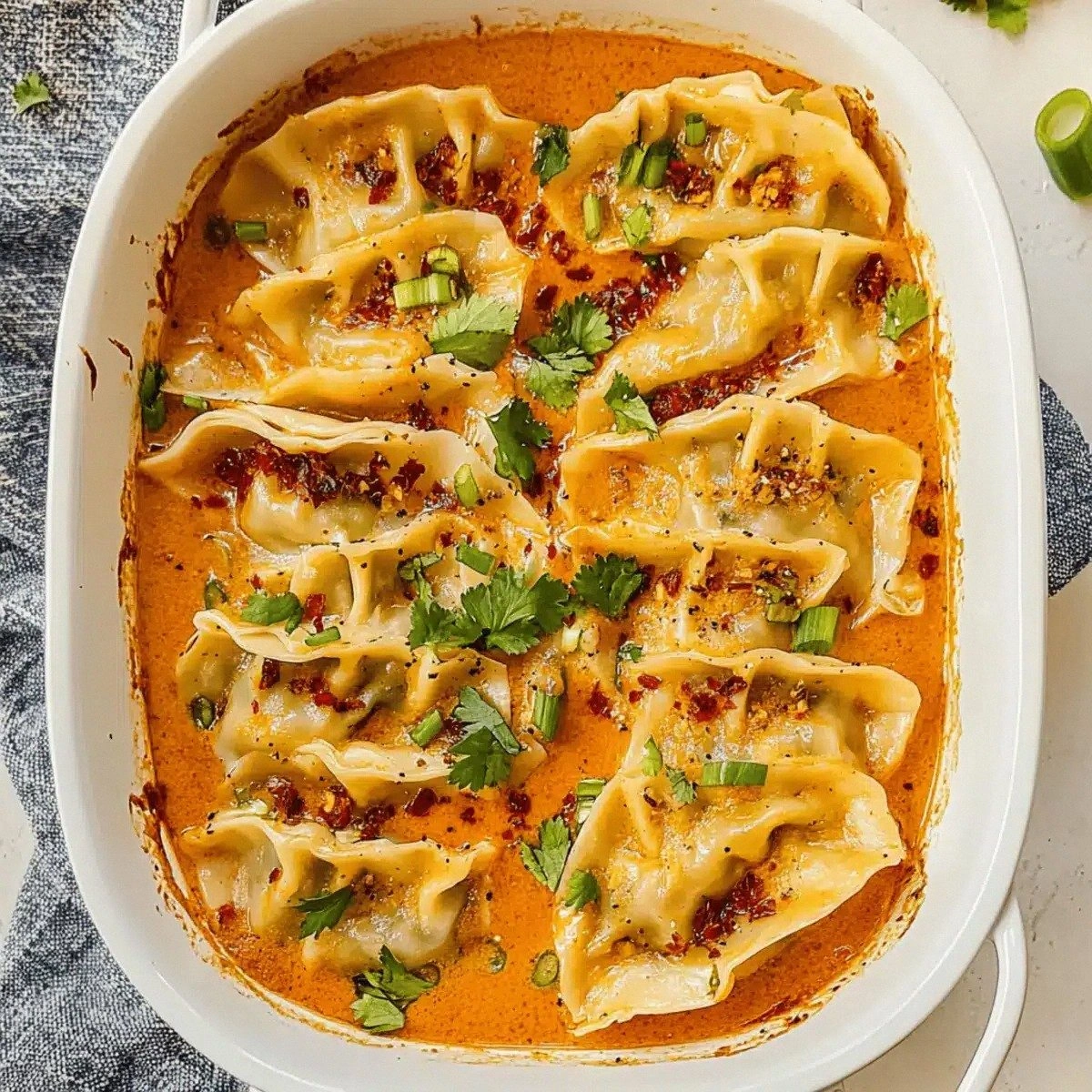
I was halfway through a rainy Tuesday when my roommate challenged me: “If you can turn those leftover potstickers into something that smells like a street‑food market and feels like a Sunday casserole, I’ll buy you a latte for a month.” I laughed, I doubted, and then I remembered the half‑cooked gyoza I’d tossed in the fridge three days ago. The kitchen was a battlefield of clattering pans, the hum of the refrigerator, and the faint perfume of rain‑soaked pavement seeping through the open window. I grabbed the potstickers, a jar of Soyaki, a can of coconut milk, and a spoonful of daring ambition. The moment I poured the red curry sauce into the skillet, a thunderous sizzle erupted, and I swear the whole apartment inhaled the aroma like a collective gasp.
What makes this dish a game‑changer is the marriage of textures: the delicate, slightly crisp edges of the dumplings hugging a velvety, coconut‑infused curry that clings to every curve like a second skin. Imagine the first bite as a warm hug from a long‑lost friend—comforting, familiar, but with a surprise spark of chili that makes you sit up straight. Most recipes try to shoehorn dumplings into a soup or fry them till they’re brittle; this one bakes them, letting the heat permeate the dough while the sauce caramelizes at the edges, creating a crust that shatters like thin ice under a gentle press.
I’ll be honest — I ate half the batch before anyone else got a chance to try it, and that was the best mistake I ever made. The secret isn’t just the sauce; it’s the timing, the layering, and that daring splash of water that keeps the curry from turning into a greasy puddle. Most recipes get this completely wrong, either drowning the dumplings in broth or leaving them dry as a desert. Here, we strike the perfect balance, and the result is a one‑dish wonder that can feed a family, a crowd, or a solo night‑in without any fuss.
If you’ve ever struggled with making a quick comfort meal that feels special, you’re not alone — and I’ve got the fix. I dare you to taste this and not go back for seconds; the combination of Soyaki’s sweet‑salty kiss and the fiery Thai red curry will have you reaching for the serving spoon again and again. Picture yourself pulling this out of the oven, the whole kitchen smelling incredible, the steam rising like a fragrant veil, and the cilantro glittering on top like confetti. Okay, ready for the game‑changer? Let me walk you through every single step — by the end, you’ll wonder how you ever made it any other way.
What Makes This Version Stand Out
- Flavor Fusion: The Soyaki‑Teriyaki blend adds a caramelized umami depth that most dumpling bakes lack, creating a sauce that coats the dumplings like velvet.
- Texture Harmony: Baking transforms the potstickers from soggy to crisp‑topped, while the interior stays tender, delivering a bite that’s both crunchy and melt‑in‑your‑mouth.
- Simplicity: With just nine ingredients and a single pan, this recipe is perfect for busy weeknights or lazy weekends without sacrificing gourmet flair.
- Unique Ingredient: The crunchy chili onion topping adds a surprise pop of heat and texture that turns the dish from ordinary to unforgettable.
- Crowd Reaction: Friends who thought they’d seen every dumpling dish on the menu end up asking for the recipe twice, proving it’s a conversation starter.
- Ingredient Quality: Using high‑quality Gyoza‑style potstickers and authentic Thai red curry sauce ensures each component shines without masking the others.
- Cooking Method: The bake‑then‑simmer technique locks in moisture while allowing the sauce to caramelize, a method most home cooks overlook.
- Make‑Ahead Potential: Assemble the dish ahead of time, refrigerate, and bake when you’re ready; it’s practically a freezer‑friendly comfort food.
Alright, let's break down exactly what goes into this masterpiece...
Inside the Ingredient List
The Flavor Base
The heart of this dish is the Thai‑style red curry sauce, a vibrant blend of lemongrass, galangal, and fiery chilies that delivers a deep, aromatic heat. If you skip it, you’ll lose the signature zing that makes the bake sing; the dish becomes a bland, soggy casserole. A good swap is a Japanese curry roux for a milder profile, but you’ll miss the authentic Thai punch. When buying, look for a sauce that lists real spices first and avoids excessive corn syrup.
The Texture Crew
Gyoza‑style potstickers are the star here. Their thin wrapper crisps up beautifully in the oven, while the filling stays juicy. If you use frozen dumplings, give them a quick steam before baking to avoid a raw center. For a gluten‑free twist, try rice‑paper‑wrapped dumplings, but expect a slightly chewier bite. The crunchy chili onion topping adds a crackling surprise that shatters like thin ice when you bite into it.
The Unexpected Star
Soyaki (or Teriyaki) sauce is the secret sweet‑salty bridge that unifies the curry and the dumplings. Its caramel notes create a glossy sheen that makes the dish look restaurant‑ready. If you can’t find Soyaki, a mix of soy sauce, honey, and a dash of rice vinegar works just as well. The fresh cilantro and green onions finish the dish with a bright, herbaceous lift that cuts through the richness.
The Final Flourish
Coconut milk adds a luxurious creaminess that softens the heat of the curry while lending a subtle sweetness. Skipping it will leave the sauce thin and less indulgent. You can substitute with almond milk for a lighter version, but you’ll lose the characteristic tropical richness. A splash of water helps thin the sauce just enough to coat the dumplings without drowning them, and it prevents the curry from scorching on the bottom of the pan.
Everything's prepped? Good. Let's get into the real action...
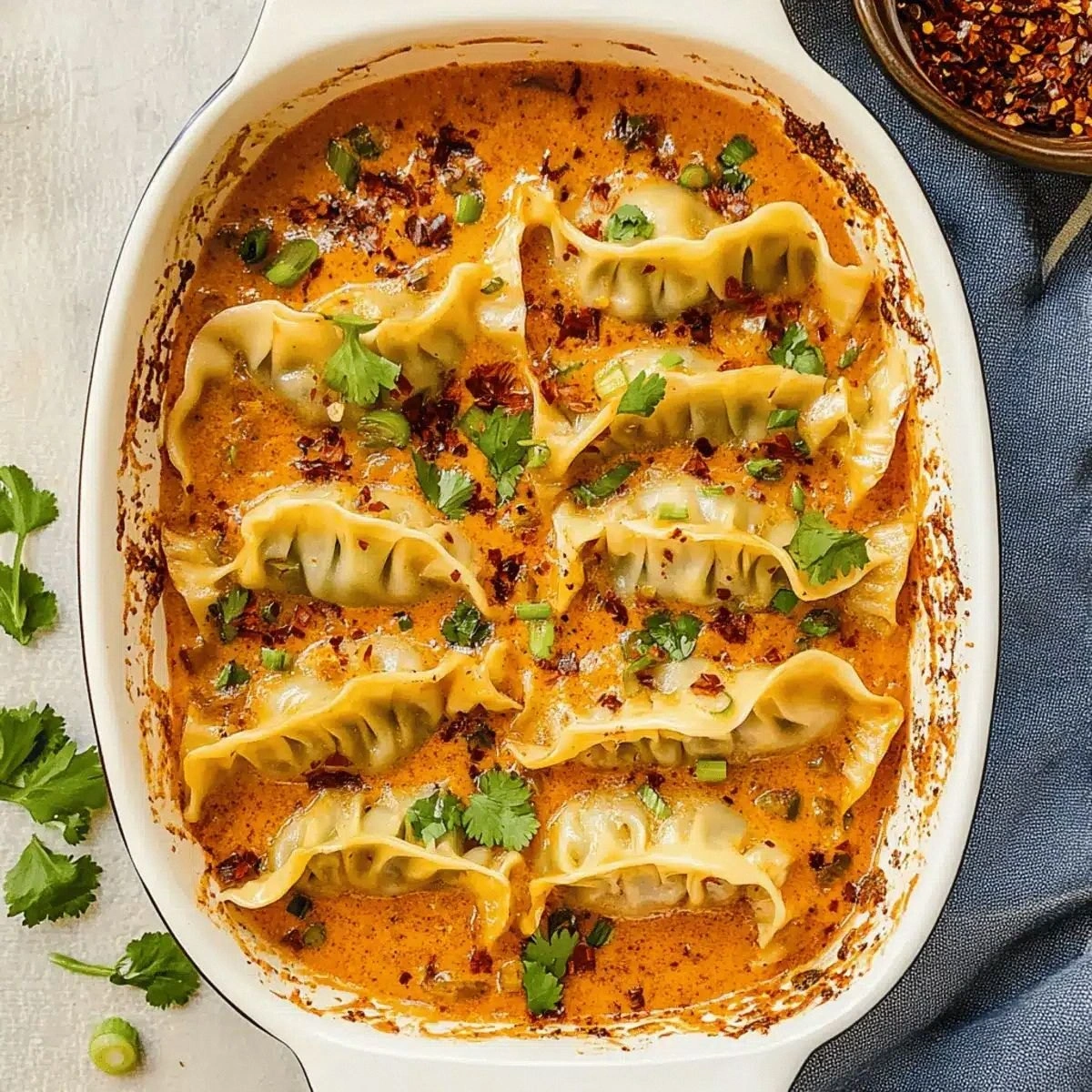
The Method — Step by Step
Preheat your oven to 375°F (190°C). While the oven warms, gather all ingredients on the counter so you can work like a well‑orchestrated kitchen band. The heat will be the catalyst that transforms the potstickers from frozen to fabulous, so don’t skip this step. Power transition: Okay, ready for the game‑changer?
Mince the garlic cloves finely; the aroma of fresh garlic will hit you the moment it hits the pan, a reminder that flavor starts at the base. In a large skillet, heat a tablespoon of oil over medium heat, then add the garlic, stirring until it turns a light golden brown and releases a nutty scent. That sizzle when it hits the pan? Absolute perfection.
Add the Soyaki (or Teriyaki) sauce to the garlic, letting it bubble for about 30 seconds. This caramelizes the sugars, creating a glossy base that will later cling to the dumplings.
Kitchen Hack: Use a silicone spatula to scrape every caramelized bit off the bottom of the pan; those are flavor gold.Stir in the Thai red curry sauce, coconut milk, and water, mixing until the sauce is a uniform amber‑orange swirl. Bring the mixture to a gentle simmer; you’ll see tiny bubbles forming at the edges, a sign that the flavors are marrying. Let it simmer for 3‑4 minutes, allowing the sauce to thicken slightly without becoming too thick.
Now, gently nestle the 20 potstickers into the sauce, arranging them in a single layer. The sauce should just about cover each dumpling; if it looks too dry, add a splash more water.
Watch Out: Don’t overcrowd the pan; the dumplings need space to crisp, not steam.Transfer the skillet (or pour everything into an oven‑safe baking dish) into the preheated oven. Bake for 20‑25 minutes, or until the edges of the dumplings turn golden and the sauce bubbles up around them. You’ll know it’s ready when the sauce starts to caramelize, forming a thin, glossy crust that clings to the dumplings.
While the bake is in its final minutes, whisk together the crunchy chili onion (or chili crisp) with a tablespoon of the sauce to create a glossy topping. This mixture will add a burst of heat and a satisfying crunch that contrasts beautifully with the soft interior of the dumplings.
Remove the bake from the oven, drizzle the chili topping evenly over the top, and sprinkle the fresh cilantro and green onions like confetti. Let the dish rest for 5 minutes; this short pause lets the flavors settle and the sauce thicken just enough to cling to each bite.
Serve hot, straight from the pan, with a side of steamed jasmine rice or a simple cucumber salad if you like contrast. This is the moment of truth—dig in, and let the layers of sweet, salty, spicy, and creamy dance on your palate. That first spoonful? Pure magic.
That's it — you did it. But hold on, I've got a few more tricks that'll take this to another level...
Insider Tricks for Flawless Results
The Temperature Rule Nobody Follows
Never bake at a temperature higher than 375°F for this dish. Higher heat will scorch the sauce before the dumplings have a chance to crisp, resulting in a bitter aftertaste. Keep the oven at a steady 375°F and trust the slow caramelization; the sauce will develop a deep amber hue without burning. I once cranked the heat to 425°F trying to speed things up, and the result was a burnt bottom and soggy tops—lesson learned.
Why Your Nose Knows Best
Your sense of smell is the ultimate doneness gauge. When the sauce begins to emit a caramel‑sweet aroma and the edges of the dumplings give off a toasted, nutty scent, you’re at the perfect finish line. If you’re unsure, lift the pan slightly; a light steam should rise, indicating the sauce is still moist but not watery. Trust that nose; it’s more reliable than a timer.
The 5‑Minute Rest That Changes Everything
After pulling the bake from the oven, let it sit untouched for exactly five minutes. This rest allows the sauce to thicken further and the heat to distribute evenly, preventing the dumplings from falling apart when you serve. Skipping this step is a common mistake—people rush to plate and end up with a soggy mess. I’ve seen even seasoned cooks forget this, and the difference is night and day.
Crisp‑First, Sauce‑Later Strategy
If you love an ultra‑crisp top, pre‑bake the dumplings on a wire rack for 8 minutes before adding the sauce. This gives the wrappers a head start on crisping, so when the sauce hits, it doesn’t steam them back to sogginess. A friend tried this once and called it “the crunch factor” — a phrase that now lives in our kitchen lexicon.
Herb Timing Trick
Add the cilantro and green onions right after the bake comes out of the oven. Adding them too early wilts the herbs, losing that fresh pop. The residual heat is enough to release their fragrance without sacrificing texture. This tiny timing tweak makes the dish feel brighter and more balanced.
Creative Twists and Variations
This recipe is a playground. Here are some of my favorite ways to switch things up:
Spicy Peanut Fusion
Swap half the coconut milk for creamy peanut butter, and add a tablespoon of sriracha. The result is a Thai‑inspired peanut sauce that’s nutty, spicy, and utterly addictive. Peanut lovers will swear this is the ultimate comfort bowl.
Miso‑Maple Magic
Replace the Soyaki with a blend of white miso and maple syrup. This gives a sweet‑savory depth that pairs beautifully with the curry’s heat. It’s a subtle nod to Japanese flavors while keeping the Thai backbone.
Veggie‑Boosted Version
Add sliced bell peppers, baby corn, and snap peas to the sauce before baking. The veggies bring crunch, color, and a fresh contrast to the rich dumplings. Perfect for a lighter, more balanced meal.
Cheesy Overload
Sprinkle shredded mozzarella or Monterey Jack over the top during the last five minutes of baking. The cheese melts into a gooey blanket that adds a comforting dairy note, turning the dish into a true casserole.
Crispy Noodle Topping
Instead of chili onion, toss some fried wonton strips or crispy rice noodles with the chili oil and scatter them on top. The extra crunch creates a textural symphony that makes each bite exciting.
Storing and Bringing It Back to Life
Fridge Storage
Allow the bake to cool to room temperature, then transfer it to an airtight container. It will keep for up to 3 days. When reheating, add a splash of water (about 2‑3 tablespoons) to the pan to create steam; this revives the sauce’s silkiness and prevents the dumplings from drying out.
Freezer Friendly
Portion the bake into freezer‑safe containers, leaving a thin layer of sauce on top to act as a protective barrier. Freeze for up to 2 months. To reheat, thaw overnight in the fridge, then bake at 350°F for 15‑20 minutes, adding a drizzle of coconut milk for extra richness.
Best Reheating Method
The oven is your best friend for reheating. Place the leftovers in a preheated 325°F oven, cover loosely with foil to keep moisture in, and heat for 10‑12 minutes. Remove the foil for the last 2 minutes to re‑crisp the dumpling edges. A microwave will work in a pinch, but you’ll lose the coveted crunch.