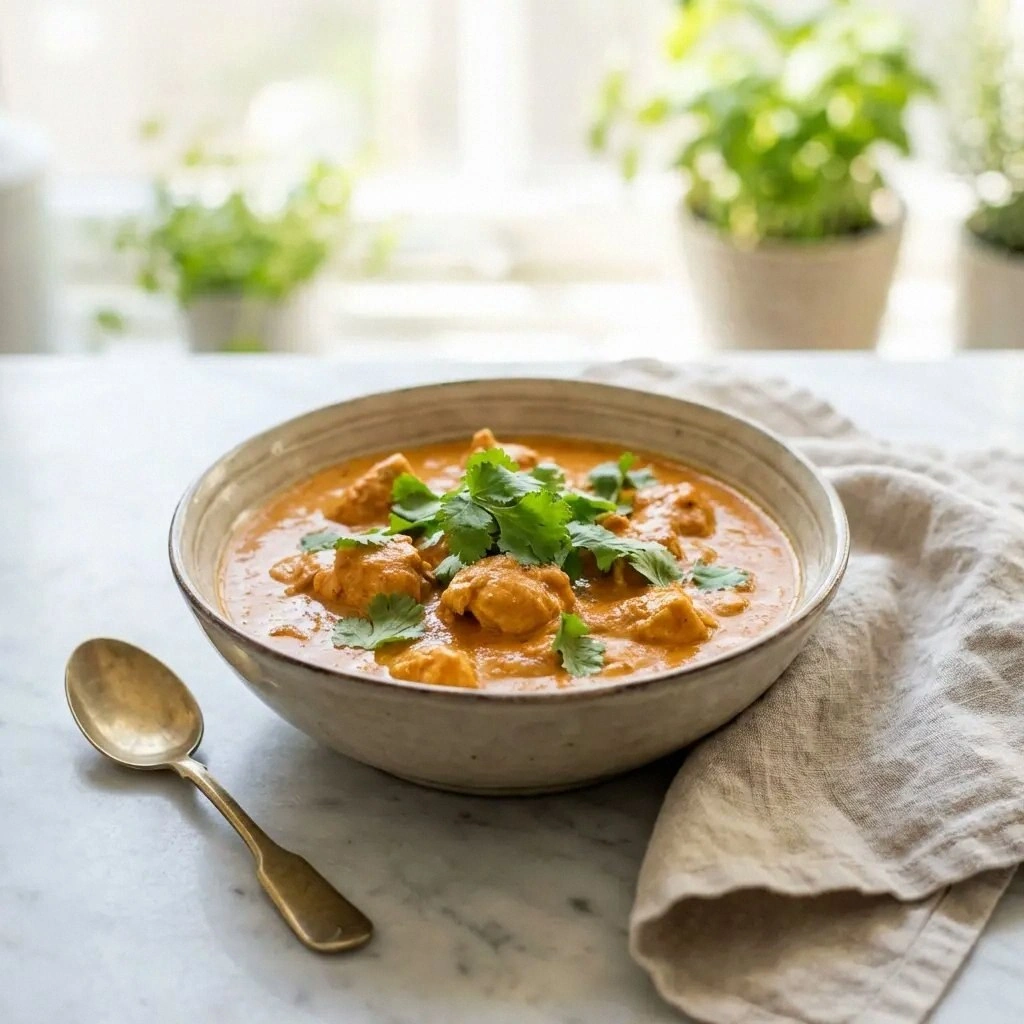
Picture this: a midnight kitchen, the hum of the fridge, the faint scent of cumin drifting from a forgotten spice jar, and me, standing in front of a pot that feels like a portal to Mumbai. I had just finished a week of bland, store‑bought takeout and my cravings were screaming for something that could make a simple night feel like a five‑star dinner. I grabbed my phone, opened a recipe app, and found a version of chicken tikka masala that promised “restaurant‑style at home.” The title alone was a dare: *I dare you to taste this and not go back for seconds.*
I was skeptical. Most tikka masalas I’d tried were either too watery, too bland, or just plain wrong. But this one had a twist: a yogurt marination that turns the chicken into a melt‑in‑your‑mouth, smoky pocket of flavor, and a sauce that coats the meat like velvet, not a greasy drizzle. I could already hear the sizzle of onions hitting hot oil, the pop of garlic, the aromatic swirl of garam masala, and the subtle hiss of tomato sauce thickening. The kitchen filled with a heady perfume that made my mouth water before I even touched a spoon. That instant sensory preview convinced me that I’d found the best version of this dish I’d ever made at home.
The best part? It’s not a labor‑intensive, 4‑hour affair. With a few smart hacks and a well‑timed routine, you’ll finish in under an hour, and the result will have the depth of a restaurant kitchen. I’ll walk you through every single step, from the first whisk of yogurt to the final garnish, and by the end, you’ll wonder how you ever cooked tikka masala any other way. If you’ve ever struggled with this, you’re not alone — and I’ve got the fix. Let me walk you through every single step — by the end, you’ll wonder how you ever made it any other way.
What Makes This Version Stand Out
- Marination: The yogurt and spice blend turns the chicken into a tender, smoky pocket of flavor that keeps the meat juicy even after the sauce has thickened. The yogurt’s acidity also helps break down proteins, giving that melt‑in‑your‑mouth texture.
- Layered Spice: We use two distinct garam masala doses—one for the marination, one for the sauce—so the aroma is complex, not one‑dimensional. This dual approach is what separates a good tikka masala from the best.
- Texture: The sauce has a silky body thanks to the heavy cream, but it never feels heavy; the cream is balanced by the acidity of the tomatoes and the brightness of fresh cilantro.
- Speed: The method is designed to be completed in 45 minutes, so you can enjoy a restaurant‑style dish without a calendar appointment.
- Make‑ahead Potential: The dish keeps well in the fridge for up to 3 days and freezes beautifully, making it perfect for meal prep or a quick weeknight dinner.
- Crowd‑Pleaser: Whether you’re cooking for a family, friends, or a solo dinner, this version delivers a flavor profile that satisfies everyone’s palate.
Alright, let's break down exactly what goes into this masterpiece...
Inside the Ingredient List
The Flavor Base
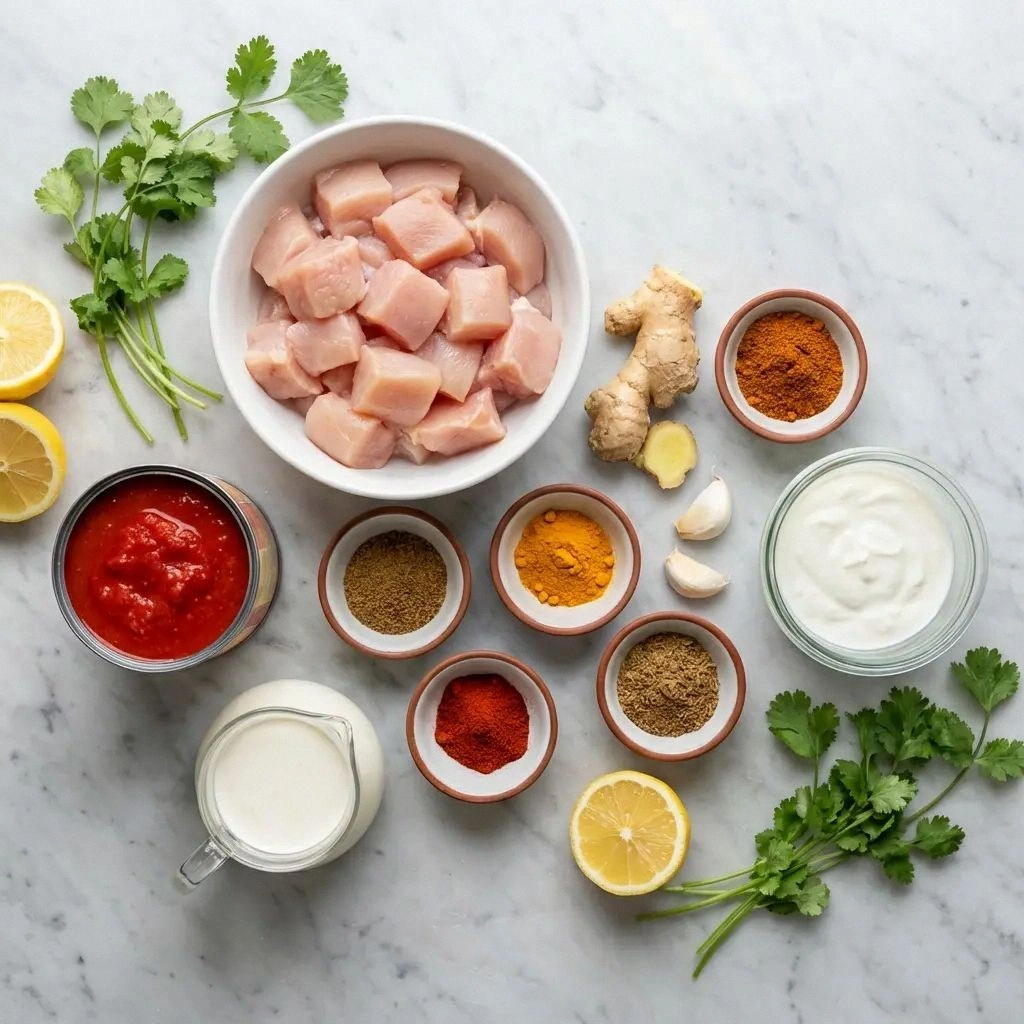
The first layer of flavor comes from the yogurt, garlic, ginger, and a modest dose of garam masala. Yogurt isn’t just a tenderizer; it’s a subtle, tangy canvas that lets the spices shine. The garlic and ginger provide a sharp bite that cuts through the richness of the cream later. If you skip this step, your chicken will taste like a plain grilled piece, and the sauce will lack depth.
Swapping plain yogurt for Greek yogurt is an option if you prefer a thicker, more protein‑rich base. Just keep in mind that Greek yogurt will thicken the sauce slightly, so you may need to add a splash of water or broth during simmering to maintain the desired consistency. When buying yogurt, look for a full‑fat variety; the fat content gives the sauce a silky mouthfeel.
The Texture Crew
The chicken itself is the star. Boneless, skinless breasts or thighs are ideal because they stay tender and absorb the marinades well. A 1.5‑lb batch is perfect for four servings. If you’re using thighs, the slight fat content will add extra juiciness, while breasts keep the dish lighter.
The onions, garlic, and ginger in the sauce provide a comforting crunch and aromatic foundation. The onions should be diced finely so they soften into a sweet, caramelized base. The garlic and ginger are minced to release their essential oils, which will mingle with the spices and tomatoes to create a layered flavor profile. Skipping any of these will result in a sauce that feels flat and unbalanced.
The Unexpected Star
Cayenne pepper, though only a quarter teaspoon, is the secret weapon that gives this tikka masala its subtle heat. Too little and the dish feels bland; too much and it overpowers the delicate balance. If you’re heat‑averse, reduce the cayenne to a pinch, or replace it with smoked paprika for a milder, smoky warmth.
The crushed tomatoes are the backbone of the sauce, providing acidity, body, and color. A 15‑oz can is just the right size for four servings. If you prefer a smoother sauce, blend the tomatoes before adding them. The heavy cream, added at the end, brings richness and helps mellow the acidity, creating a luxurious finish.
The Final Flourish
Fresh cilantro is the finishing touch that adds a bright, herbal note and a pop of color. It also cuts through the richness of the cream, refreshing the palate. If you can’t find cilantro, a small handful of parsley will work, but the flavor will be noticeably different.
Everything's prepped? Good. Let's get into the real action...
The Method — Step by Step
- Marinate the Chicken: In a bowl, whisk together the yogurt, 2 cloves garlic, 1 tsp grated ginger, 1 tsp garam masala, ½ tsp turmeric, ½ tsp cumin, and 1 tsp salt. Add the chicken pieces, ensuring every bite is coated. Cover and refrigerate for at least 30 minutes, or up to 2 hours for deeper flavor. If you’re short on time, a 15‑minute quick marinate still gives a noticeable difference. This step is the secret to that melt‑in‑your‑mouth tenderness.
- Prepare the Sauce Base: Heat 2 tbsp oil in a large skillet over medium heat. Add the finely diced onion and sauté until translucent and slightly golden—about 4–5 minutes. The onion should be soft and sweet, not raw. Then add the remaining 3 cloves garlic and 1 tsp grated ginger, cooking until fragrant, about 30 seconds. The aroma should fill the kitchen like a warm hug.
- Spice It Up: Stir in 2 tsp garam masala, 1 tsp paprika, 1 tsp ground coriander, and ¼ tsp cayenne pepper. Cook the spices for 1 minute, letting them toast slightly. The mixture should emit a nutty, toasted fragrance. This is the moment of truth—if the spices start smelling burnt, lower the heat immediately.
- Add Tomatoes: Pour in the crushed tomatoes and stir until the mixture is well combined. Bring to a gentle simmer, then reduce the heat to low. Let it cook for 10 minutes, allowing the flavors to meld and the sauce to thicken. The sauce should look glossy and slightly reduced.
- Sear the Chicken: In a separate pan, heat a splash of oil over high heat. Remove the chicken from the yogurt mixture, shaking off excess, and sear until browned on all sides—about 2–3 minutes per side. This step locks in juices and gives the chicken a caramelized crust that contrasts beautifully with the creamy sauce.
- Combine & Simmer: Add the seared chicken to the sauce, spooning some of the liquid over the pieces. Reduce the heat to low and let everything simmer together for 8–10 minutes, or until the chicken is fully cooked and the sauce is thickened to your liking. The chicken should be tender, and the sauce should coat the pieces like velvet.
- Finish with Cream: Stir in ¾ cup heavy cream, letting it swirl into the sauce. Simmer for an additional 2 minutes—do not let it boil, or the cream will curdle. The final sauce should be glossy, rich, and slightly sweet from the tomatoes.
- Garnish & Serve: Sprinkle chopped fresh cilantro over the dish and give it one last gentle stir. Serve hot over steamed basmati rice or with warm naan bread. The dish should look like a vibrant, fragrant bowl that invites you to dig in immediately.
That's it — you did it. But hold on, I've got a few more tricks that'll take this to another level...
Insider Tricks for Flawless Results
The Temperature Rule Nobody Follows
Most cooks keep the sauce at a low simmer, but I’ve found that a gentle medium‑low heat allows the spices to release their full aroma without burning. The trick is to let the sauce bubble slowly, especially when adding the heavy cream. If you rush this step, the sauce can become thick and clumpy. Keep the flame low, and the sauce will stay silky.
Why Your Nose Knows Best
A quick sniff test can tell you if your sauce is ready. When the aroma is rich, nutty, and slightly sweet, the sauce is at its peak. If you’re unsure, give it another minute; the scent will deepen. I once added the cream too early, and the sauce turned bland—learning to trust your nose saved the day.
The 5‑Minute Rest That Changes Everything
After cooking, let the tikka masala rest for five minutes before serving. This resting period allows the flavors to settle and the sauce to thicken slightly, creating a more cohesive bite. I’ve seen people skip this step, and the result is a watery sauce that doesn’t hold onto the chicken.
Use a Skillet With a Lid
Covering the skillet during the simmering phase traps steam, which keeps the chicken moist and the sauce from drying out. If you’re cooking for a crowd, a lid also helps the sauce reduce more quickly, saving time. Just be careful not to let the sauce boil over.
The Quick Spin of a Blender
If you prefer a smoother sauce, blend the tomato base for 30 seconds before adding the cream. This step removes the tomato seeds and skins, giving a silky texture. I’ve used this trick when serving with creamy paneer or when the sauce feels too chunky.
Keep the Chicken Whole
For a dramatic presentation, keep the chicken pieces whole and sear them before adding to the sauce. Whole pieces hold their juices better and look more impressive on the plate. If you’re in a hurry, cut the chicken into cubes, but the whole approach is worth the extra step.
Creative Twists and Variations
This recipe is a playground. Here are some of my favorite ways to switch things up:
Smoky Chipotle Tikka
Add a tablespoon of chipotle in adobo sauce to the tomato base for a smoky, slightly sweet heat. The chipotle pairs beautifully with the yogurt, giving the dish a deep, complex flavor that’s perfect for a winter dinner.
Mango‑Spiced Surprise
Replace half the tomatoes with mango puree and add a pinch of cardamom. The natural sweetness of mango balances the spices, creating a tropical twist that feels like a vacation in every bite.
Vegetarian Paneer Tikka
Swap the chicken for paneer cubes marinated in the same yogurt mixture. The paneer absorbs the spices while retaining a firm, cheese‑like texture. Serve with a side of garlic naan for a full vegetarian feast.
Coconut Cream Variation
Replace the heavy cream with coconut milk for a dairy‑free, tropical version. The coconut adds a subtle sweetness and pairs well with the garam masala, giving the sauce a silky, exotic finish.
Lemon‑Herb Finale
Finish the dish with a squeeze of fresh lemon juice and a sprinkle of chopped mint. The citrus brightens the richness, while the mint adds a fresh, cooling contrast that makes the dish feel lighter.
Spicy Peanut Sauce
Stir in a tablespoon of peanut butter and a dash of soy sauce for an Asian‑inspired twist. The peanut butter adds depth and a creamy texture, while the soy sauce brings umami and saltiness that elevate the dish.
Storing and Bringing It Back to Life
Fridge Storage
Cool the tikka masala to room temperature, then transfer it to an airtight container. Store in the refrigerator for up to three days. The sauce will thicken slightly; reheat gently on the stove with a splash of water to restore its silky texture.
Freezer Friendly
For longer storage, freeze the sauce in freezer‑safe containers, leaving a bit of headspace for expansion. It will keep for up to two months. Thaw overnight in the fridge, then reheat on the stove, adding a splash of water or broth to loosen the sauce.
Best Reheating Method
Reheat the tikka masala on low heat, stirring frequently. If the sauce has thickened too much, add a teaspoon of warm water or broth. This gentle approach preserves the sauce’s richness without scorching the bottom.