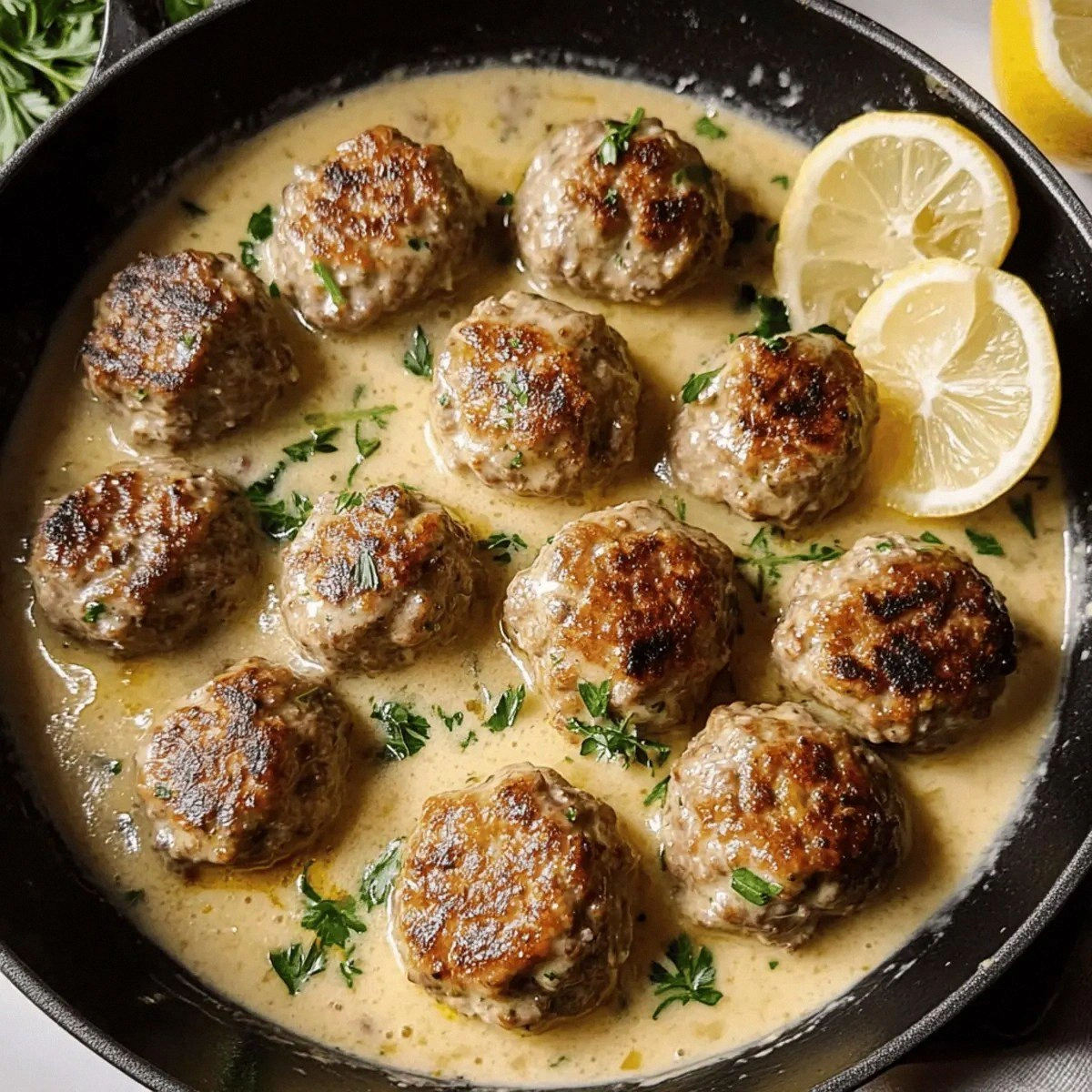
Picture this: I’m in my cramped apartment kitchen, the timer on my old microwave beeping like a frantic drummer, and a sudden craving for something that screams Mediterranean sunshine hits me like a wave of feta‑laden sea breeze. I rummaged through the pantry, found a half‑forgotten bag of ground pork, and thought, “What if I mash this with beef and turn it into something that could convince even a die‑hard meatball skeptic?” The result? A batch of keftedes so juicy they practically burst with olive‑oil‑kissed goodness, drenched in a sauce that’s as creamy as a Greek goddess’s lullaby. I dared myself to taste one before anyone else could get a fork, and let’s just say I didn’t last long enough to finish the whole pan.
The moment those meatballs hit the skillet, a symphony erupted: the sizzle sang a low, steady hum, the onions caramelized into golden ribbons, and the spices—cumin, oregano, parsley—released aromas that swirled around the kitchen like a fragrant Mediterranean breeze. I could hear the faint crackle of butter melting, feel the heat radiating from the pan onto my fingertips, and taste the promise of tangy lemon brightening the whole affair before it even happened. It was a full‑sensory overload, the kind that makes you pause, inhale deeply, and whisper “this is it” to yourself. The sauce, when finally poured over the meatballs, coated each curve like velvet, a silky blanket that clung lovingly to every bite.
Most keftedes recipes I’ve tried either left the meat dry, the sauce watery, or the seasoning flat—like a song missing its chorus. This version flips the script by marrying a classic meatball base with a beurre blanc‑style sauce that’s been given a Greek makeover. The secret? A humble slice of crustless bread that soaks up the juices, a splash of lemon that cuts through the richness, and a precise butter‑flour roux that gives the sauce body without turning it greasy. I’m being honest— I ate half the batch before anyone else got a chance, and that’s a confession you won’t find in any other blog post.
Okay, ready for the game‑changer? I’m about to walk you through every single step, from picking the perfect pork to mastering that glossy sauce that will have your guests begging for seconds. By the end, you’ll wonder how you ever settled for bland meatballs and will be ready to brag about the best Greek comfort food you’ve ever made at home.
What Makes This Version Stand Out
- Flavor Explosion: The blend of pork and beef creates a juicy, buttery bite, while cumin, oregano, and parsley deliver an aromatic punch that sings with every chew.
- Silky Sauce: A butter‑flour roux turned lemon‑kissed sauce coats each meatball like a satin sheet, turning a simple dish into a luxurious experience.
- Texture Harmony: Crustless bread absorbs excess moisture, ensuring the keftedes stay tender inside yet develop a crisp, caramelized exterior.
- Simplicity Meets Sophistication: Only fifteen ingredients, all pantry‑friendly, yet the result feels like it took hours of chef‑level prep.
- Crowd‑Pleaser Factor: I dare you to taste this and not go back for seconds; even the pickiest eaters can’t resist the fragrant herbs and bright lemon.
- Make‑Ahead Magic: The meatballs can be formed and frozen ahead of time, and the sauce reheats beautifully, making last‑minute dinner a breeze.
- Ingredient Quality: Using lean beef and fresh pork ensures a balanced fat content, giving you that melt‑in‑your‑mouth feel without excess greasiness.
- Cooking Method Flexibility: Pan‑fry for that classic crust, or finish in the oven for a hands‑off approach—both yield perfect results.
Inside the Ingredient List
The Flavor Base
Ground pork and lean ground beef are the heart of these keftedes. Pork brings a subtle sweetness and moisture, while beef adds depth and a satisfying bite. If you skip the pork, you’ll lose that buttery richness; if you replace the beef with turkey, expect a leaner but potentially drier result. When shopping, look for pork with a visible marbling of fat—about 20% fat content is ideal. The same goes for beef; a 90/10 ratio keeps the meatballs juicy without being overly greasy.
The Texture Crew
The crustless bread slices act like a secret sponge, soaking up the juices released during cooking and preventing the mixture from becoming overly dense. If you’re out of crustless bread, a day‑old plain baguette works—just remove the crust and tear into small pieces. The egg binds everything together, creating a cohesive ball that holds its shape. A large egg is perfect; using a medium egg can make the mixture a touch crumbly, while a jumbo egg may make it too wet.
The Unexpected Star
Lemon juice is the surprise hero. Its acidity cuts through the richness of the meat and butter, brightening the overall flavor profile. Don’t be shy—use fresh lemon, not bottled, for that vibrant zing. If you’re out of lemon, a splash of white wine vinegar can mimic the tang, though you’ll miss the citrus aroma. The butter and flour form a roux that gives the sauce body; skipping the roux leads to a watery, thin sauce that won’t cling to the meatballs.
The Final Flourish
Ground cumin, dried oregano, and dried parsley are the aromatic trio that defines the Greek character of this dish. Cumin adds an earthy warmth, oregano contributes a piney, slightly bitter note, and parsley lifts everything with a fresh, herbaceous finish. If you’re allergic to any of these, try smoked paprika for a subtle depth, or fresh mint for a bright twist. Salt and black pepper are the final seasoning touches; remember, a pinch of salt can be adjusted at the end of cooking, especially if your stock is already seasoned.
Everything's prepped? Good. Let's get into the real action...
The Method — Step by Step
First, gather all your meat and dry ingredients. In a large mixing bowl, combine the 1 lb ground pork and 1 lb lean ground beef. Use your hands to break up any clumps, feeling the texture become cohesive yet still slightly crumbly. This is the moment where you can truly sense the quality of the meat—if it feels too wet, add a tablespoon of flour; if too dry, a splash of water will do. Once mixed, set the bowl aside while you prep the aromatics.
Finely dice the medium onion and mince the two garlic cloves. Toss them into a skillet with 2 tbsp butter over medium heat. That sizzle when it hits the pan? Absolute perfection. Let the onions turn translucent and the garlic turn golden, about 4‑5 minutes. This step builds the flavor foundation for both the meatballs and the sauce.
Kitchen Hack: Add a pinch of sugar while sautéing the onions; it accelerates caramelization and adds a subtle sweetness that balances the lemon later.While the onions soften, crumble the crustless bread into a small bowl and drizzle with a splash of the hot water or stock (about ¼ cup). Let it sit for a minute until it becomes a soggy mash. This hydrated bread will act like a binder, ensuring the keftedes stay moist during cooking. If you prefer a firmer texture, use less liquid; for extra tenderness, use the full cup.
Now return to the meat bowl. Add the soaked bread, the sautéed onion‑garlic mixture, the large egg, 1 tsp each of ground cumin, dried oregano, dried parsley, and the fine sea salt plus ½ tsp black pepper. Using your hands, combine everything until just incorporated—over‑mixing can make the meatballs tough, so stop once you no longer see dry patches.
Shape the mixture into uniform balls about the size of a golf ball (roughly 1‑inch diameter). This recipe yields about 20‑24 keftedes. Place them on a tray lined with parchment paper. If you’re planning ahead, freeze the uncooked balls on the tray, then transfer to a zip‑top bag; they’ll keep for up to three months.
Heat a large non‑stick skillet over medium‑high heat and add 2 tbsp butter. Once the butter foams and begins to turn a light amber, carefully add the meatballs in a single layer, making sure not to crowd the pan. Listen to that initial sear—it’s the sound of flavor forming a crust. Cook for 3‑4 minutes per side, turning gently with tongs, until each side is golden brown and the interior reaches 160°F (71°C). If you prefer a hands‑off method, preheat the oven to 375°F (190°C) and bake the browned balls for 12‑15 minutes.
While the keftedes finish, make the sauce. In the same skillet (don’t clean it—those browned bits are flavor gold), melt 2 tbsp butter over medium heat. Sprinkle in 2 tbsp all‑purpose flour, whisking constantly for about 30 seconds until the mixture turns a light nutty brown—this is your roux.
Watch Out: If the roux darkens too quickly, lower the heat; burnt roux will give the sauce a bitter taste.Gradually whisk in the remaining hot water or stock, a little at a time, ensuring a smooth, lump‑free consistency. Bring the mixture to a gentle simmer; it will thicken within 2‑3 minutes. Finally, stir in the ¼ cup fresh lemon juice, tasting as you go. Adjust salt if needed, and let the sauce bubble gently for another minute so the flavors meld.
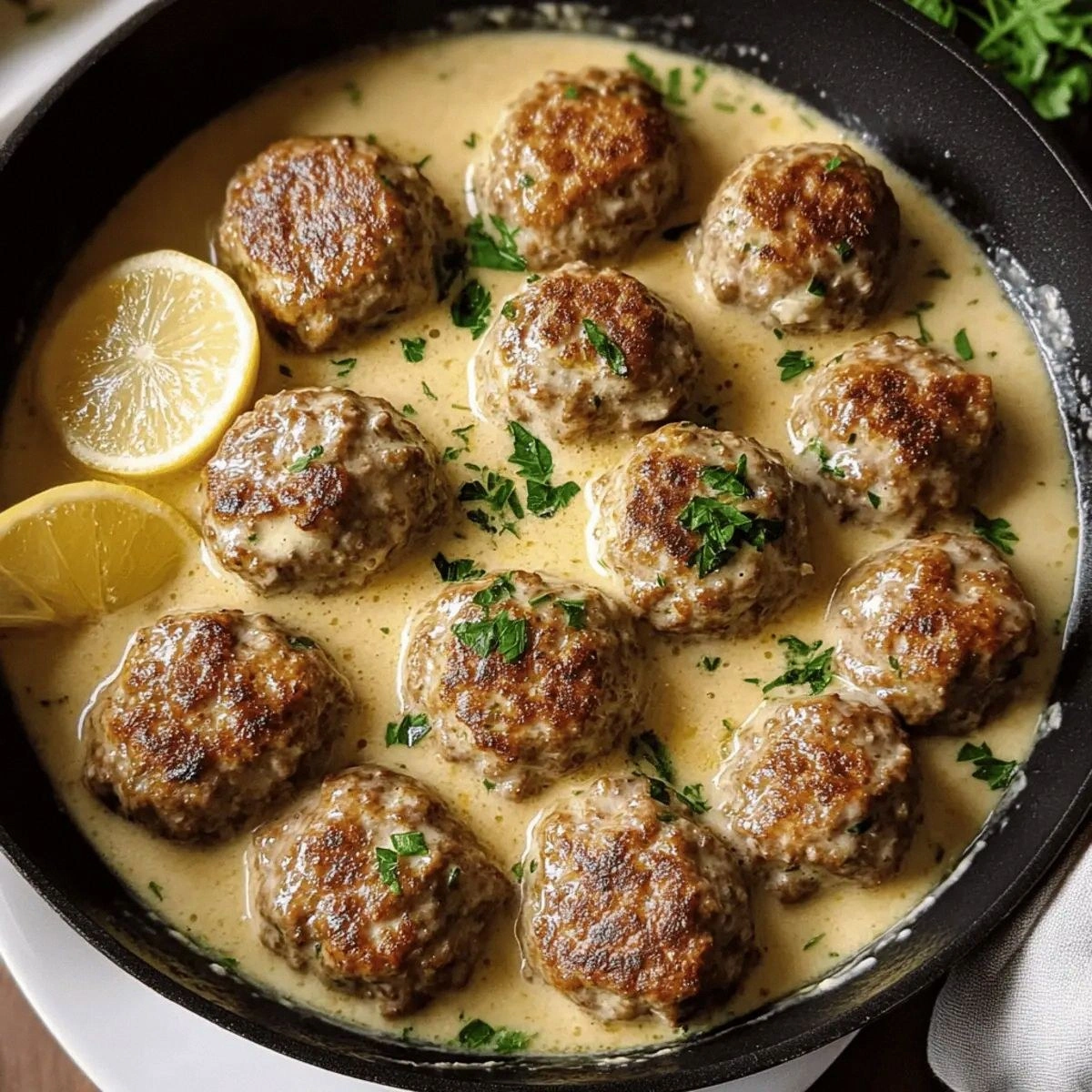
Return the cooked keftedes to the skillet, turning them to coat every curve with the creamy lemon‑butter sauce. Let them simmer together for 2‑3 minutes, allowing the meat to absorb a whisper of the sauce. When you lift a keftedes with a fork, the sauce should cling like silk, and the meat should be tender enough to fall apart with a gentle press.
That's it — you did it. But hold on, I've got a few more tricks that'll take this to another level...
Insider Tricks for Flawless Results
The Temperature Rule Nobody Follows
Never start the meatballs in a cold pan; always preheat the skillet so the butter sizzles immediately. This creates a rapid Maillard reaction, giving the keftedes that coveted caramelized crust. If the pan isn’t hot enough, the meat releases its juices too early, resulting in soggy balls. I once tried a low‑heat start and ended up with a mushy mess—lesson learned.
Why Your Nose Knows Best
Trust the aroma more than the timer. When the onions turn translucent and start to smell sweet, they’re ready—don’t wait for the clock. Similarly, the roux will give off a nutty scent when it’s perfectly cooked; that’s your cue to add the liquid. Over‑relying on minutes can lead to burnt sauce or under‑cooked meat.
The 5‑Minute Rest That Changes Everything
After you finish cooking the keftedes, let them sit in the sauce off the heat for five minutes. This short rest lets the meat absorb the lemony butter, making each bite more cohesive. Skipping this step is like serving a song without its final chord—something feels unfinished.
Butter Balance for a Silky Finish
Adding the butter in two stages—once for sautéing the aromatics and again for the sauce—creates layers of richness. If you use too much butter, the sauce becomes greasy; too little and it loses that luxurious mouthfeel. I recommend measuring precisely and tasting as you go.
Freezing Without Losing Flavor
When you freeze uncooked keftedes, place a parchment sheet between each layer. This prevents them from sticking together, making it easy to pull out just the right number later. Thaw overnight in the fridge, then finish cooking as usual. The sauce will still cling beautifully, even after a freeze‑thaw cycle.
Creative Twists and Variations
This recipe is a playground. Here are some of my favorite ways to switch things up:
Spicy Sriracha Swirl
Mix 1 tbsp sriracha into the sauce for a subtle heat that pairs perfectly with the lemon. Top each keftedes with a drizzle of extra sriracha and a sprinkle of chopped cilantro for a modern, Asian‑Mediterranean fusion.
Herb‑Infused Goat Cheese
Fold ¼ cup crumbled goat cheese into the meat mixture before shaping. The cheese melts into the interior, creating pockets of tangy creaminess that contrast beautifully with the buttery sauce.
Smoky Paprika & Chipotle
Replace the cumin with 1 tsp smoked paprika and add a pinch of chipotle powder. This gives the keftedes a smoky depth that feels like a summer BBQ on a Greek island.
Veggie‑Packed Version
Finely grate a small zucchini and carrot, squeeze out excess moisture, and fold them into the meat mixture. The veggies add moisture and a subtle sweetness, making the dish lighter without sacrificing flavor.
Vegan Adaptation
Swap the meat for a blend of mashed chickpeas, lentils, and finely chopped mushrooms. Use flax‑egg (1 tbsp ground flax + 3 tbsp water) as a binder, and replace butter with olive oil. The sauce can be made with plant‑based butter and a splash of white wine for acidity.
Greek Salad Bed
Serve the keftedes on a bed of crisp cucumber, tomato, red onion, and feta tossed in olive oil and oregano. The fresh salad adds crunch and acidity, turning the dish into a complete Mediterranean feast.
Storing and Bringing It Back to Life
Fridge Storage
Transfer leftover keftedes and sauce to an airtight container. They’ll keep fresh for up to 4 days. When reheating, add a splash of water or broth and gently warm on low heat, stirring occasionally to revive the sauce’s silkiness.
Freezer Friendly
Cool the keftedes completely, then arrange them on a parchment‑lined tray and freeze solid. Once frozen, move them into a zip‑top freezer bag. They’ll maintain quality for 3 months. To reheat, thaw in the fridge overnight, then warm in the sauce on the stovetop.
Best Reheating Method
For the ultimate texture, reheat in a skillet over medium‑low heat, adding a teaspoon of butter and a tablespoon of water. Cover the pan for 3‑4 minutes; the steam will revive the meat’s tenderness while the sauce regains its glossy sheen.