Picture this: it's 6:47 a.m. on a Tuesday that already feels like a Thursday, your jeans are staging a protest against last weekend's pizza choices, and the internet is screaming at you to try "cloud bread" that tastes like styrofoam had a baby with a disappointment. You want something that feels like carbs but acts like a protein bar, something that won't send your blood sugar on a rollercoaster ride straight to Nap City. I was standing in my kitchen, cottage cheese in hand, thinking there had to be a better way than another sad lettuce wrap. That morning, I accidentally created the bread that would end my low-carb suffering forever.
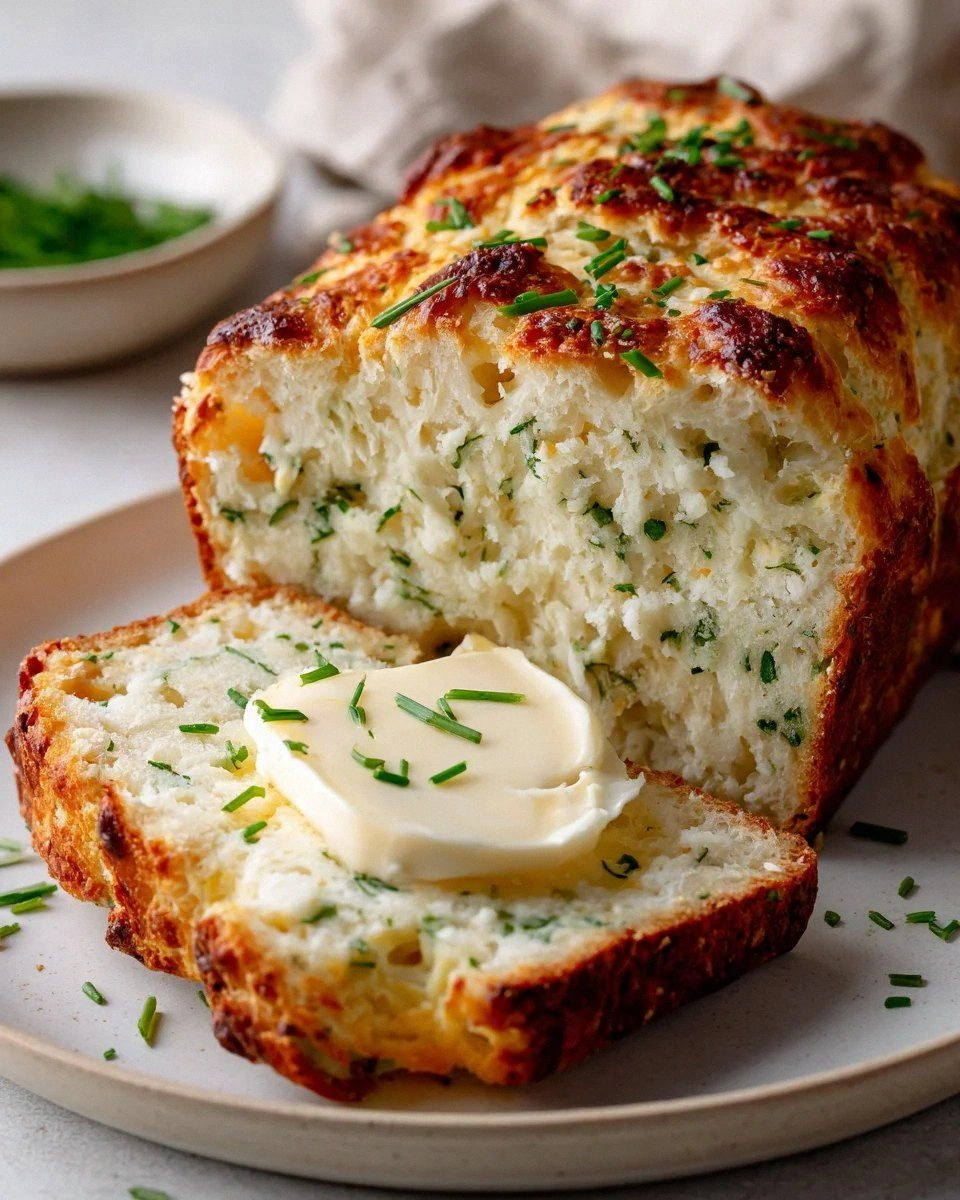
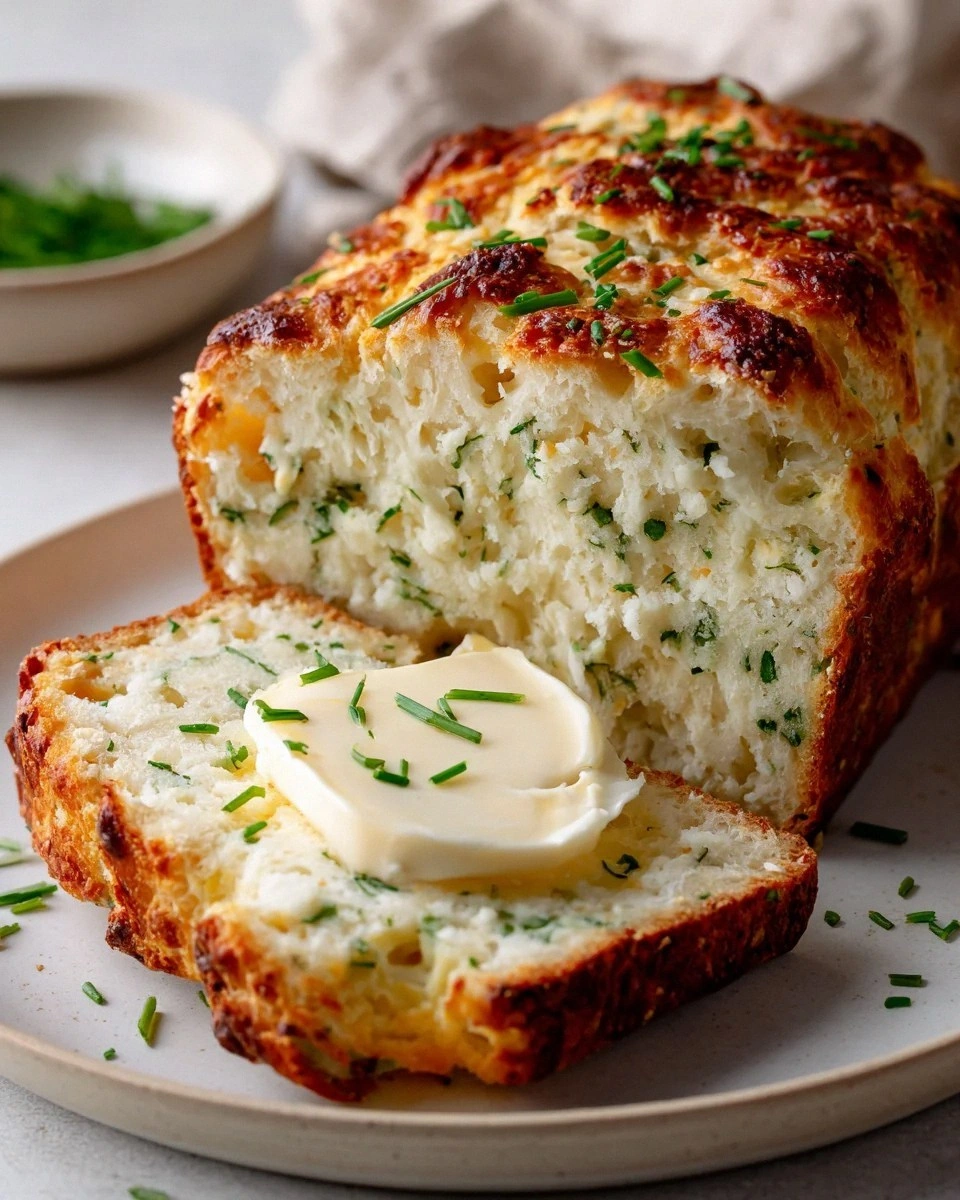
I blended cottage cheese because I was too lazy to drag out the mixer, tossed in eggs because protein keeps the hangry monster away, and figured almond flour couldn't hurt since my keto-obsessed friend left it at my place. The smell that wafted from the oven thirty minutes later was so intoxicating my neighbor actually knocked to ask if I was running a secret bakery. The first bite shattered the internet myth that healthy bread has to taste like cardboard that's been left in the rain. This loaf has crispy edges that crackle like a fireplace, a tender crumb that soaks up butter like a dream, and a protein punch that keeps you full until dinner without that weird fake-sweet aftertaste that haunts most low-carb imposters.
I've made this recipe forty-seven times since that fateful morning, tweaking and twisting until it became the kind of bread that makes people question everything they thought they knew about "diet food." Friends who swore they'd never touch cottage cheese now text me photos of their golden loaves like proud parents. The real kicker? My eight-year-old nephew thinks this is just "really good bread" and demands it for his sandwiches, completely oblivious that he's basically eating a protein shake in disguise.
Let me walk you through every single step — by the end, you'll wonder how you ever made it any other way.
What Makes This Version Stand Out
Protein Powerhouse: Each slice delivers a whopping 14 grams of protein that actually keeps you satisfied, not like those sad rice cakes that leave you raiding the pantry an hour later. The cottage cheese creates a complete amino acid profile that your muscles will thank you for after that morning workout.
Texture Triumph: Most low-carb breads either crumble like ancient ruins or bounce like rubber balls. This one achieves that impossible balance — crispy crust, tender interior, and actual chew that makes you feel like you're eating real bread, not some science experiment gone wrong.
One-Bowl Wonder: While other recipes have you whipping egg whites until your arm falls off or buying seventeen specialty flours you'll use once, this beauty comes together in one blender cup. Less dishes, less drama, more time for actually enjoying your life.
Flavor That Fools: The cottage cheese melts into the bread, leaving zero trace of that tangy dairy flavor people either love or hate. Instead, you get a neutral, slightly nutty base that plays well with everything from sweet cinnamon toppings to savory sandwich fillings.
Fail-Proof Formula: I've tested this at high altitude, in a temperamental oven from 1987, and even when my toddler "helped" by adding an extra egg. It still worked. If you can press a blender button and operate an oven, you can nail this recipe.
Make-Ahead Magic: This bread actually gets better after a day in the fridge — the flavors meld, the texture firms up, and it toasts like a dream. Make a double batch on Sunday, and you've got breakfast sorted through Friday.
Alright, let's break down exactly what goes into this masterpiece...
Inside the Ingredient List
The Flavor Foundation
Cottage cheese is the undercover hero here, transforming from lumpy dairy wallflower into the smoothest, creamiest bread base you've ever met. When whizzed in the blender, those curds dissolve into liquid gold that keeps the bread impossibly moist while adding that protein we all need but rarely want to eat. Don't even think about reaching for that fat-free stuff — you need the real deal with at least 2% milkfat for the best texture and flavor. If cottage cheese makes you nervous, ricotta works in a pinch, but you'll lose some of that protein power that makes this bread special.
The Structure Squad
Almond flour brings the gentle nuttiness and tender crumb that makes this feel like actual bread instead of an omelet wearing a bread costume. Make sure you're using blanched almond flour, not the coarse meal that still has skins — unless you enjoy bread that tastes like you blended a bird's nest into it. The natural oils in almond flour help create that golden crust that makes people swear you must have used real butter somewhere. Coconut flour is not your friend here — it sucks moisture like a desert and will leave you with bread that could double as a doorstop.
The Rise and Shine Team
Baking powder is the tiny but mighty leavening agent that gives this bread actual lift instead of the dense brick most low-carb breads become. Check the expiration date — if it's been sitting in your pantry since the Obama administration, your bread will sit just as flat as your disappointment. The eggs provide structure, richness, and that beautiful golden color that screams "I know what I'm doing in the kitchen" even if you're winging it. Olive oil adds just enough fat to keep everything tender and prevents the bread from sticking to the pan like it's holding on for dear life.
The Flavor Amplifiers
Garlic powder might seem like an odd choice for basic bread, but it adds depth that makes people ask "what's that amazing flavor?" without being able to pinpoint it. Salt is non-negotiable — without it, your bread will taste like cardboard that's been left in a gym locker. These small amounts of seasoning are what separate memorable bread from "why am I eating this healthy nonsense" bread.
Everything's prepped? Good. Let's get into the real action...
The Method — Step by Step
- Preheat your oven to 375°F (190°C) and resist the urge to crank it higher thinking faster is better — patience here creates that perfect crust. While it's heating, line an 8x4-inch loaf pan with parchment paper, leaving wings on the sides so you can lift the bread out like a beautiful golden baby. If you skip the parchment, you'll be hacking at the pan with a knife later while your bread mocks you from its metal prison. The parchment also helps the bottom stay tender instead of turning into a tough crust that could double as shoe leather.
- Dump the cottage cheese into your blender and blend on high for a full 30 seconds — set a timer because 10 seconds feels like forever when you're watching curds spin. You're looking for completely smooth liquid with zero lumps, the kind of texture that would make a French chef nod approvingly. If your blender protests and needs a splash of water to get moving, add just one tablespoon — too much liquid and your bread will need a longer bake time. This step is crucial because nobody wants to bite into a mysterious curd in their supposedly smooth bread.
- Crack the eggs directly into the blender with the cottage cheese and blend another 15 seconds until the mixture looks like pale yellow silk. The eggs should be fully incorporated but don't over-blend or you'll incorporate too much air and the bread will rise like a souffle then collapse like your 2020 sourdough dreams. Stop when the mixture looks homogenous and slightly frothy on top — that's your cue that the proteins are ready to work their magic. This is the moment of truth where your bread's fate is sealed, so no Instagram scrolling distractions here.
- Add the olive oil, salt, and garlic powder to the blender and give it a quick 5-second pulse — just enough to combine but not create a foam party. The oil helps carry flavors and keeps everything moist, while the seasonings distribute perfectly in the liquid base. If you dump everything in at once, the garlic powder clumps like middle schoolers at their first dance. Trust me, I've made this mistake and ended up with garlic bombs in random bites that could ward off vampires for miles.
- In a separate bowl, whisk together the almond flour and baking powder until they're best friends and no baking powder pockets remain. These dry ingredients need to be thoroughly combined because finding a bitter baking powder bite in your finished bread is like discovering a raisin in what you thought was chocolate chip cookie — deeply upsetting. Use a fork or whisk and really get in there for a full 30 seconds of whisking action. Your future self will thank you when every slice is perfectly seasoned and leavened.
- Pour the wet ingredients from the blender into the bowl with your dry ingredients and fold gently with a spatula until just combined. This is not the time for vigorous whisking — treat the batter like you're folding clouds into a sunset. Over-mixing activates the almond flour's oils and creates a dense, heavy loaf that could anchor a small boat. Stop when you see no dry streaks but the batter still looks slightly lumpy like pancake batter that knows it's special.
- Scrape every last bit of batter into your prepared pan and smooth the top with your spatula, creating a slight dome in the center. This dome helps the bread rise evenly instead of forming a cracked canyon down the middle. Give the pan a gentle tap on the counter to release any air bubbles that could create weird holes in your finished loaf. The batter should fill the pan about two-thirds full — if it's higher, you've got a small pan and might want to make muffins with the extra.
- Bake for 30-35 minutes, but start checking at 25 minutes because ovens lie about their actual temperature like teenagers about their curfew. You're looking for a deep golden brown top that springs back when gently pressed, and a toothpick inserted in the center that comes out with just a few moist crumbs. The edges should be pulling slightly away from the sides of the pan, and your kitchen should smell like you hired a professional baker. Don't walk away from the oven during the last 10 minutes — this is when miracles happen or disasters strike.
- Let the bread cool in the pan for exactly 10 minutes — set a timer because impatience leads to broken bread. Run a butter knife around the edges if needed, then lift out using the parchment wings and transfer to a wire rack. The cooling process is crucial — slice too early and you'll have a gummy mess that tastes like raw eggs. Wait at least 30 minutes before slicing, or better yet, make it the night before and wake up to bread that's firmed up and ready for its breakfast debut.
That's it — you did it. But hold on, I've got a few more tricks that'll take this to another level...
Insider Tricks for Flawless Results
The Temperature Rule Nobody Follows
Room temperature ingredients aren't just food blogger nonsense — they're the difference between bread that rises like a proud peacock and bread that sits like a sad lump. Cold eggs shock the cottage cheese, creating tiny protein clumps that never quite smooth out in the oven. Take everything out of the fridge 30 minutes before baking, or cheat and put the eggs in warm water for 5 minutes. Your bread will rise higher, have a more tender crumb, and you'll feel like you actually know what you're doing in the kitchen.
Why Your Nose Knows Best
Forget timers — your nose is the most accurate doneness indicator in your kitchen. When this bread is perfectly baked, your house will smell like someone combined a French bakery with a nut roastery and added a hint of garlic. If you can smell it from the living room, it's probably done or very close. This is when you peek in the oven and do the spring-back test. I've rescued countless loaves from over-baking using this method, saving them from the dry, crumbly fate that haunts most low-carb breads.
The 5-Minute Rest That Changes Everything
After you take the bread out of the oven, resist every fiber of your being screaming for warm bread and let it rest those crucial 10 minutes in the pan. This isn't just chef snobbery — the proteins are still setting, the steam is redistributing, and the structure is stabilizing. Slice too early and you'll have a crater in the middle where all the steam escaped, plus the texture will be gummy and disappointing. Use this time to make coffee, set the table, or just stand there sniffing the air like a bread-obsessed bloodhound.
The Storage Secret That Keeps It Fresh
Once completely cool, wrap this bread in parchment paper first, then aluminum foil — never plastic wrap which traps moisture and creates that weird soggy crust. Store in the fridge for up to 5 days, or slice and freeze individual pieces separated by parchment for up to 2 months. The parchment prevents slices from fusing together in a frozen bread brick that requires a chisel to separate. When you're ready to eat, toast directly from frozen — no thawing needed, and it comes out tasting freshly baked.
The Toasting Technique That Transforms
This bread reaches its full potential when toasted until the edges are deep golden and crisp. Use medium-low heat and patience — high heat burns the outside before the inside warms through. The almond flour creates these amazing crispy edges that shatter like thin ice, while the interior stays tender. Slather with butter and watch it melt into every nook and cranny, or go savory with cream cheese and everything bagel seasoning. I dare you to taste this toasted and not immediately make another batch.
Creative Twists and Variations
This recipe is a playground. Here are some of my favorite ways to switch things up:
Everything Bagel Bread
Replace the garlic powder with everything bagel seasoning and add 2 tablespoons of poppy seeds to the dry ingredients. The result tastes like your favorite bagel but without the carb coma that follows. Top with cream cheese and smoked salmon for the most luxurious low-carb breakfast that'll make you forget bread ever had gluten.
Cinnamon Swirl Breakfast Loaf
Omit the garlic powder and add 1 teaspoon cinnamon plus 2 tablespoons of your favorite low-carb sweetener to the batter. Pour half the batter, sprinkle with a cinnamon-sweetener mixture, then top with remaining batter. Swirl with a knife for that bakery-style look that makes people think you actually know what you're doing.
Herb and Cheese Explosion
Fold in 1/2 cup shredded sharp cheddar and 2 tablespoons of chopped fresh herbs like rosemary or thyme after mixing. The cheese creates these amazing melty pockets throughout the bread, while herbs make your kitchen smell like you hired a professional chef. This version makes incredible grilled cheese sandwiches that will convert even the most devoted carb lovers.
Chocolate Chip Protein Bread
Skip the garlic powder, add 2 tablespoons of low-carb sweetener and fold in 1/3 cup of sugar-free chocolate chips. This creates a slightly sweet bread that's perfect for afternoon snacks or breakfast when you want something that feels decadent but still packs that protein punch. Toast and spread with almond butter for what I call "dessert that's secretly good for you."
Mediterranean Magic
Add 1 teaspoon dried oregano, 1/4 cup chopped sun-dried tomatoes, and 2 tablespoons of olive tapenade to the batter. This version makes incredible panini bases or just eat it warm with a drizzle of olive oil. The tomatoes add little bursts of umami that make you want to book a flight to Greece immediately.
Jalapeño Popper Bread
Stir in 2 diced jalapeños (seeds removed for wimps like me), 1/2 cup cream cheese cut into small cubes, and 1 teaspoon smoked paprika. The cream cheese melts into these amazing creamy pockets while jalapeños provide just enough kick to wake up your taste buds without setting your mouth on fire. This is game-day food that won't ruin your diet.
Storing and Bringing It Back to Life
Fridge Storage
Once your bread is completely cool — and I mean cool enough that you could comfortably hold it against your cheek — wrap it up tight. First in parchment paper which acts like a breathable blanket, preventing condensation that turns crusts soggy, then in foil which locks out fridge odors that want to infiltrate your beautiful creation. Store it in the main body of your fridge, not the door where temperature fluctuations turn bread into a science experiment. Properly stored, this bread stays fresh for up to 5 days, though honestly, mine never lasts past Wednesday because I find myself making excuses to eat "just one more slice."
Freezer Friendly
This bread freezes like a champ, making it perfect for meal prep Sundays when you're feeling smug about your life choices. Slice the entire loaf once it's cool, then separate slices with small pieces of parchment paper — think of it as giving each slice its own little sleeping bag. Lay them flat in a single layer until frozen solid, about 2 hours, then transfer to a freezer bag. This prevents the dreaded bread brick situation where everything fuses together in an icy embrace that requires power tools to separate. Frozen slices keep for up to 2 months, though I've found forgotten slices at the 3-month mark that still tasted perfectly fine after a good toasting.
Best Reheating Method
The toaster is your best friend here — pop in a frozen slice directly and use the medium setting. The almond flour creates these incredible crispy edges that shatter like caramelized sugar, while the inside stays tender and warm. If you're reheating multiple slices, the oven at 350°F for 8-10 minutes works wonders. Add a tiny splash of water to the pan before covering with foil — the steam brings back that fresh-baked texture without drying it out. Whatever you do, resist the microwave unless you enjoy bread with the texture of a kitchen sponge that's been left in the sink overnight.