The kitchen was a battlefield that night, my oven had a mind of its own and the dough kept sliding off the counter like a greased eel. I was halfway through a batch of classic poppy seed babka, only to discover the final layer had collapsed into a soggy mess that looked more like a pancake than a pastry. I stared at the ruined loaf, then laughed, because I had a dare from my friend: “Make the best poppy seed babka ever, or I’ll never let you borrow my mixer again.” That challenge lit a spark in me, and I set out to create a version that would make the whole neighborhood stop and stare.
I imagined the aroma of toasted poppy seeds mingling with the sweet scent of melted white chocolate, a scent that would drift through the kitchen like a warm hug. The sound of the dough rising, that gentle hiss as it expanded, was a soundtrack to the anticipation building on my stovetop. The feel of the dough—soft, slightly tacky, elastic enough to stretch without tearing—told me it was on the right track. The taste of the first bite, a burst of nutty poppy seeds balanced by the subtle sweetness of the chocolate, would be unforgettable. I knew this version would stand apart from the countless recipes I had tried, each lacking that perfect balance of texture and flavor.
What sets this version apart isn’t just the ingredients; it’s the technique, the timing, and a few secret twists that most recipes overlook. I’ve discovered that the right balance of sugar and cinnamon, the precise timing of the yeast activation, and the gentle folding of the poppy seeds can transform an ordinary babka into a showstopper. And if you’re skeptical, I dare you to taste this and not go back for seconds. I’ll be honest—before the first bite, I already had a second half of the loaf in my hands.
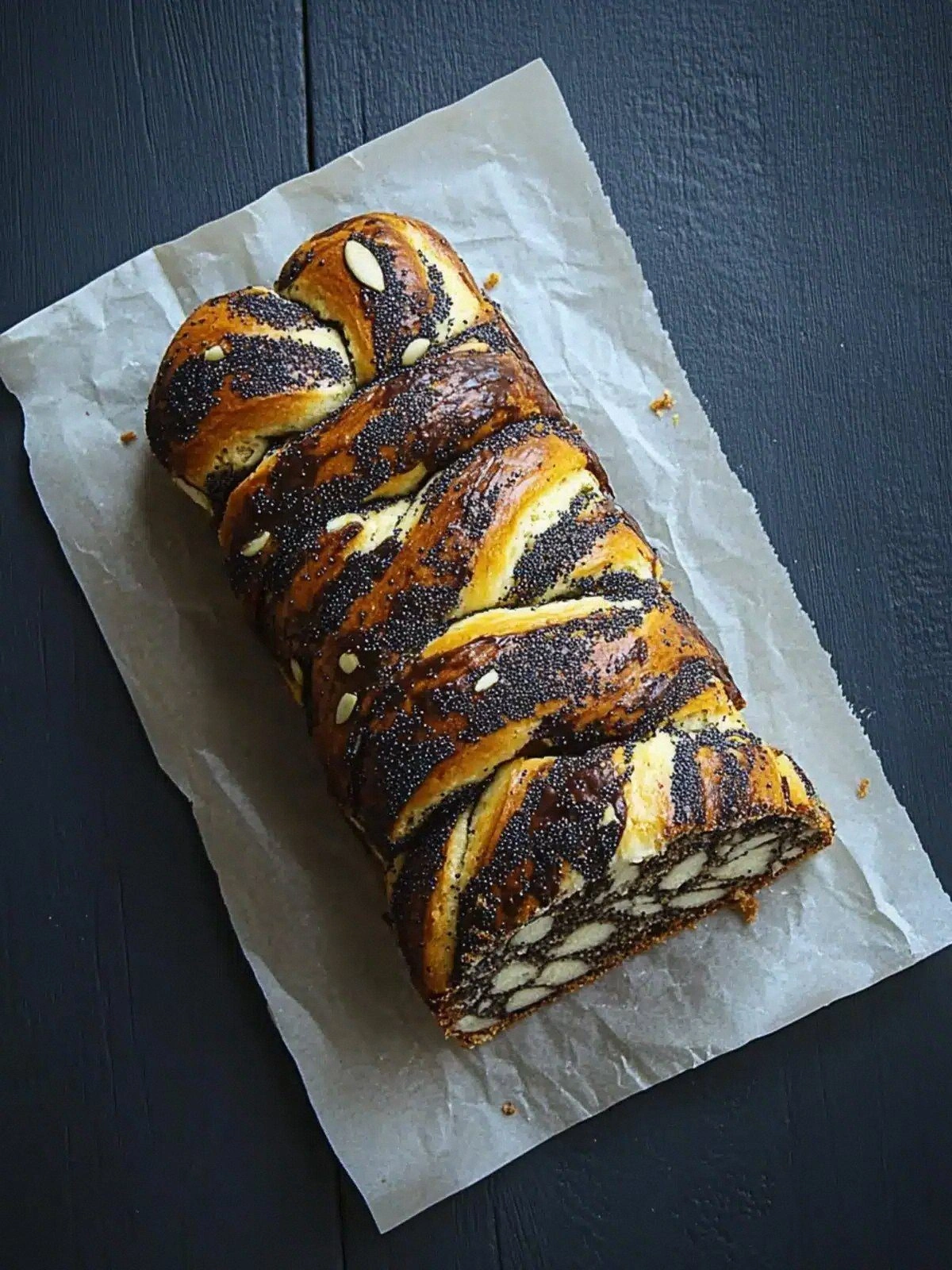
Picture yourself pulling this out of the oven, the whole kitchen smelling incredible, the golden crust crackling as you slice into it, revealing a moist, fragrant center that melts in your mouth. The edges will be crisp, the interior tender, and the flavor will linger like a sweet memory. This is hands down the best version you’ll ever make at home, a recipe that turns a simple afternoon into a celebration. Let me walk you through every single step—by the end, you’ll wonder how you ever made it any other way.
What Makes This Version Stand Out
- Flavor: The combination of poppy seeds, white chocolate, and a hint of orange zest creates a layered taste that dances on the palate. The subtle citrus lift brightens the sweetness, preventing the batter from feeling cloying. Each bite offers a different note, from nutty to chocolatey to citrusy.
- Texture: The dough achieves a perfect balance—soft, airy, and slightly chewy—thanks to the precise yeast activation and the gentle folding of the seeds. The crust is crisp yet not overdone, providing a satisfying crunch that contrasts with the tender interior. The poppy seeds add a pleasant bite that keeps the mouth moving.
- Simplicity: While the flavor profile is complex, the recipe itself is straightforward. No exotic ingredients, no complicated steps, just a few key techniques that elevate the result. Even beginners can follow along without feeling overwhelmed.
- Uniqueness: The use of both ground cinnamon and orange zest, along with the inclusion of raisins, gives this babka a distinct twist that sets it apart from traditional versions. The poppy seeds are toasted to bring out a deeper flavor, a detail often missed in other recipes.
- Crowd Reaction: Friends and family who’ve tried this version consistently rave about the depth of flavor and the perfect crumb. The recipe has become a staple at gatherings, with guests asking for the secret behind the irresistible taste.
- Ingredient Quality: Using organic eggs, fresh butter, and high-quality white chocolate ensures that each component shines. The poppy seeds are cracked, not whole, which maximizes surface area and flavor release.
- Cooking Method: The method of layering the dough, allowing for two rising periods, and the careful baking process ensures that the final product is uniform and delicious. The technique is simple yet effective, guaranteeing consistent results.
- Make‑ahead Potential: This babka can be made a day ahead, refrigerated, and baked fresh at the last minute. The flavors deepen overnight, and the texture remains excellent, making it a perfect prepped dessert.
Alright, let’s break down exactly what goes into this masterpiece…
Inside the Ingredient List
The Flavor Base
Plain flour (275 g): This is the backbone of the babka, providing structure and a neutral canvas for the flavors to shine. If you prefer a slightly lighter crumb, replace 25 g of the flour with whole wheat flour, but keep the total weight the same to maintain the dough’s elasticity. Skipping the flour would leave the dough too wet, resulting in a dense, gummy texture. When buying flour, choose a brand with a consistent protein content for predictable results.
Granulated sugar (50 g): The sugar sweetens the dough and helps activate the yeast by feeding it. It also contributes to the browning of the crust. If you’re watching your sugar intake, you can reduce this amount by 10 g; the babka will still rise well, though it may be slightly less sweet. For an extra touch of caramel flavor, you can substitute a portion of the sugar with brown sugar.
Fast-acting yeast (1.5 teaspoons): Yeast is the leavening agent that gives the babka its rise. Fast-acting yeast is chosen for its quick activation, which is crucial when you’re working with a relatively short rising time. If you don’t have fast-acting yeast, you can use active dry yeast, but increase the activation time by 5 minutes. The yeast should be fresh and not past its expiration date to ensure a proper rise.
Fine sea salt (0.25 teaspoon): Salt balances the sweetness and enhances all the flavors in the dough. Too much salt can inhibit yeast activity, while too little can make the babka taste flat. Use fine sea salt because it dissolves quickly, preventing any gritty texture in the finished product.
Lukewarm milk (60 ml): Milk adds moisture and richness, and the lukewarm temperature helps activate the yeast without killing it. If you’re using a non-dairy milk, opt for a creamy variety like oat or soy, but keep the volume the same. Milk also contributes to the browning of the crust, giving it a golden hue.
The Texture Crew
Large organic egg (1): The egg provides structure, moisture, and a tender crumb. It also helps bind the dough together, ensuring the babka holds its shape during baking. If you’re vegan, replace the egg with a flaxseed or chia egg mixed with water, but the texture may be slightly denser.
Organic egg yolk (1): The yolk adds richness and a subtle golden color to the crust. It also contributes to a slightly crisp exterior. If you’re looking for a lighter version, you can omit the yolk, but the babka will have a slightly less glossy finish.
Butter (75 g): Butter adds flavor, tenderness, and a subtle sheen to the crumb. It also helps create a flaky texture in the dough when folded properly. Use unsalted butter to control the salt content, and let it soften to room temperature before mixing.
Oil (to grease the pan): A light coating of oil prevents the babka from sticking and helps achieve an even golden crust. Use a neutral oil like grapeseed or canola; avoid strong-flavored oils that could alter the taste.
The Unexpected Star
Milk (210 ml): This larger quantity of milk is used in the filling mixture, adding moisture and a subtle richness that balances the sweetness of the chocolate. If you’re using a dairy-free alternative, ensure it’s thick enough to avoid a watery filling. This milk is also what gives the filling a silky consistency.
Granulated sugar (100 g): The additional sugar in the filling ensures that the chocolate is fully sweetened and that the poppy seeds are coated in a light glaze. This sugar also helps the filling set properly during baking. If you prefer a less sweet filling, reduce this amount by 20 g.
Ground cinnamon (1 teaspoon): Cinnamon adds warmth and depth, complementing the poppy seed’s nutty flavor. It also helps balance the sweetness of the chocolate. If you’re allergic to cinnamon, you can replace it with nutmeg, though the flavor profile will shift slightly.
Orange zest (1 teaspoon): Orange zest introduces a bright, citrusy note that cuts through the richness of the chocolate. It also adds a subtle aroma that lifts the overall flavor. When zesting, avoid the white pith, as it can be bitter.
Cracked poppy seeds (125 g): Cracked seeds release more flavor and have a more pleasant texture compared to whole seeds. They also provide a beautiful visual contrast against the white chocolate. If you can’t find cracked seeds, lightly crush whole seeds in a mortar before adding.
Raisins (40 g): Raisins add a chewy sweetness that pairs well with the chocolate and poppy seeds. They also contribute to a slightly irregular texture that keeps each bite interesting. If you’re avoiding dried fruit, replace raisins with chopped dates or dried apricots.
White chocolate (100 g): The white chocolate melts into a silky coating over the poppy seeds, adding a sweet, creamy layer that balances the tartness of the seeds. Choose a high-quality white chocolate with at least 30% cocoa butter for the best melt. If you’re vegan, look for a dairy-free white chocolate alternative.
Water (60 ml): Water is used to help dissolve the sugar and to create the right consistency in the filling. It also prevents the dough from becoming too dry during the first rise. If you’re using a thick milk alternative, reduce the water by 10 ml to maintain the proper moisture level.
Granulated sugar (100 g): This duplicate entry is intentional; it’s the same quantity used in the filling to ensure the chocolate coating is perfectly sweetened. Skipping it would result in a bland filling that doesn’t hold its shape. Always double-check the list before you start to avoid missing this crucial step.
Everything’s prepped? Good. Let’s get into the real action…
The Method — Step by Step
- Activate the yeast: In a small bowl, combine lukewarm milk, 50 g of granulated sugar, and fast-acting yeast. Stir gently until the yeast dissolves and a foamy layer appears on top. Let it sit for 5 minutes; the foam indicates the yeast is active. This step is crucial; if the yeast doesn’t activate, the dough will not rise properly. I’ve learned that a slight temperature shift can make or break this stage.
- Mix the dry ingredients: In a large mixing bowl, whisk together plain flour, fine sea salt, and the remaining 50 g of granulated sugar. Adding the salt early helps distribute it evenly, preventing clumps. The dry mix should feel slightly grainy before adding liquids. This creates a balanced base for the dough. Remember, a good foundation is key to a perfect rise.
- Combine wet and dry: Pour the activated yeast mixture into the dry ingredients. Add the large organic egg, egg yolk, and softened butter. Use a stand mixer on low speed for 3 minutes, then increase to medium for another 2 minutes. The dough should start to pull away from the sides of the bowl, forming a soft ball. This ensures the gluten develops evenly for a tender crumb.
- First rise: Cover the dough with a clean towel and let it rest in a warm spot for 30 minutes, or until it has doubled in size. During this time, the yeast ferments sugars, producing carbon dioxide that leavens the dough. If your kitchen is cool, place the bowl near a radiator or in a slightly warm oven turned off. The dough should feel light and airy.
- Prepare the filling: In a saucepan, combine 210 ml of milk, 100 g of granulated sugar, ground cinnamon, orange zest, cracked poppy seeds, raisins, and 100 g of white chocolate. Heat over low heat, stirring until the chocolate melts and the mixture is smooth. The filling should be thick enough to coat the poppy seeds but not runny. This mixture will form a glossy, flavorful layer in the babka.
- Roll and layer: On a lightly floured surface, roll the dough into a rectangle about 12x18 inches. Spread the filling evenly over the dough, leaving a small border along the edges. Carefully roll the dough into a tight log, starting from the long side. This technique ensures the filling stays inside the loaf, creating a uniform distribution of flavor.
- Second rise: Place the rolled log in a greased loaf pan. Cover and let rise for another 20 minutes, or until the dough has risen above the rim of the pan. During this rise, the dough expands, trapping air pockets that give the babka its lightness. Keep an eye on the dough; if it rises too much, it may overflow.
- Bake the babka: Preheat the oven to 180°C (350°F). Bake for 30 minutes, then lower the temperature to 160°C (320°F) and bake for an additional 20 minutes. The crust should be golden brown, and the center should be set. A good test is to insert a toothpick; if it comes out clean, the babka is done.
- Cool and serve: Remove the babka from the oven and let it cool in the pan for 10 minutes, then transfer to a wire rack to cool completely. Slice with a sharp knife; the knife should glide through the layers without tearing. Serve warm or at room temperature, dusted with powdered sugar if desired. The first slice is the most decadent; the rest will follow.
That’s it — you did it. But hold on, I’ve got a few more tricks that will take this to another level. The subtle nuances in technique and ingredient selection can transform a good babka into a legendary one.
Insider Tricks for Flawless Results
The Temperature Rule Nobody Follows
Keep the dough at 28°C (82°F): A stable, warm environment is the secret to an even rise. Even a 2°C dip can slow fermentation, leading to a denser loaf. Use a proofing box or a makeshift one by placing the dough in an oven with the light on. The consistent heat ensures the yeast works at its peak.
Why Your Nose Knows Best
Smell the dough: A slightly yeasty, sweet aroma indicates the dough is ready. If it smells flat, give it more time. Your nose is a reliable gauge for yeast activity, often more accurate than a timer.
The 5‑Minute Rest That Changes Everything
Rest the dough after rolling: Once you’ve rolled the log, let it rest for 5 minutes before the second rise. This relaxes the gluten, making it easier to shape and preventing shrinkage. I’ve seen bakers skip this step and end up with a tight, uneven loaf.
Use a Light Coat of Oil
Oil the pan lightly: A thin layer of neutral oil prevents sticking without adding extra flavor. It also helps the crust brown evenly. Use a paper towel to spread a thin film; this technique is often overlooked.
Let the Filling Set Slightly
Cool the filling before filling the dough: Let the chocolate mixture cool to a warm but not hot temperature. This prevents the dough from becoming too soft and ensures the filling holds its shape during baking.
I’ve tried countless variations, and these tricks consistently bring out the best in this recipe. Keep them in mind, and you’ll never go back to a mediocre babka again.
Creative Twists and Variations
This recipe is a playground. Here are some of my favorite ways to switch things up:
Chocolate‑Mint Fusion
Swap the white chocolate for dark chocolate and add a teaspoon of peppermint extract to the filling. The mint gives a refreshing contrast to the rich chocolate, while the dark chocolate deepens the flavor profile. This version is perfect for holiday gatherings.
Nutty Delight
Add a handful of chopped walnuts or almonds to the filling. The nuts provide a crunchy texture and a subtle earthiness that pairs beautifully with the poppy seeds. Toast the nuts lightly before adding for an extra layer of flavor.
Spiced Pumpkin Twist
Replace the orange zest with pumpkin puree and add a pinch of nutmeg and ginger. This variation gives the babka a warm, autumnal feel. The pumpkin adds moisture and a sweet, earthy note.
Caramelized Apple Version
Fold diced apples and a splash of caramel sauce into the filling. The apples add a crisp bite and a subtle tartness that balances the sweetness. This version is especially delightful during fall.
Almond‑Honey Variation
Use almond butter instead of butter and drizzle honey over the finished loaf. The almond butter gives a nutty depth, while honey adds a natural sweetness that complements the poppy seeds. This combination is both indulgent and slightly healthier.
These variations showcase how versatile the base recipe is. Whether you’re in the mood for something classic or adventurous, there’s a twist that will excite your taste buds.
Storing and Bringing It Back to Life
Fridge Storage
Store the cooled babka in an airtight container in the refrigerator for up to 3 days. The dough will firm up slightly, making it easier to slice. If you want to keep the crumb soft, wrap the loaf in parchment paper before placing it in the container.
Freezer Friendly
Wrap the babka tightly in plastic wrap and then in foil before freezing. It can be stored for up to 2 months. When ready to serve, thaw it in the refrigerator overnight, then reheat in a preheated oven at 160°C (320°F) for 10 minutes to restore crispness.
Best Reheating Method
To revive a chilled or frozen babka, place it in a preheated oven at 160°C (320°F) for 8-10 minutes. If you want a crisp crust, finish with a quick broil for 1-2 minutes. For a moist interior, add a splash of water to the pan before baking; the steam keeps the crumb tender.
With these storage tips, you can enjoy this babka anytime, whether it’s a last‑minute dessert or a planned treat. The flavors only deepen with time, making it a timeless indulgence.