I was standing in my kitchen on a freezing January morning, the kind of morning where the radiator sounds like a distant train and every breath feels like a puff of cloud. I had just spilled a whole pot of coffee on the floor, watched the dark liquid seep into the grout, and swore I would never trust my clumsy self again. Yet, amid the chaos, a thought sparked brighter than the espresso machine’s steam: what if I could turn that disaster into the coziest, most indulgent latte the world has ever known? I dared myself to blend the classic tiramisu flavors—mascarpone, cocoa, a whisper of vanilla—right into a steaming cup of latte, and the result was nothing short of a winter miracle.
Picture this: the first sip hits your tongue with the bold, bittersweet bite of fresh espresso, then melts into a velvety cloud of mascarpone‑infused milk that feels like a warm blanket for your palate. The cocoa dust that crowns the surface releases a faint perfume of roasted coffee beans, while a subtle hint of vanilla lingers like a secret promise. The steam rises in lazy curls, carrying the scent of coffee liqueur (if you’re feeling adventurous) that makes the whole kitchen smell like an upscale Italian café on a snow‑capped Alpine ridge. Your hands wrap around the mug, the ceramic radiates heat, and for a moment you’re not just drinking a latte—you’re experiencing a hug in a cup.
Most tiramisu latte recipes out there either drown the coffee in too much sugar or skimp on the creamy texture, leaving you with a watery, one‑dimensional drink. This version, however, respects each component: the espresso stays bold, the milk stays silky, and the mascarpone stays luxuriously thick without turning grainy. I’ve fine‑tuned the ratios so that the latte has the perfect balance of sweet, bitter, and buttery, and I’ve added a tiny splash of coffee liqueur that adds depth without overpowering the natural flavors. The result? A drink that is hands down the best version you’ll ever make at home, and I dare you to taste this and not go back for seconds.
But wait—there’s a twist you won’t see coming. I’m going to show you how to create a micro‑foam using a simple whisk and a splash of vanilla that gives the latte a mousse‑like head, something most baristas struggle to achieve without expensive equipment. Okay, ready for the game‑changer? Let me walk you through every single step — by the end, you’ll wonder how you ever made it any other way.
What Makes This Version Stand Out
- Bold Espresso Base: Brewed fresh, the espresso provides a deep, earthy foundation that never gets lost under the creamy layers. It’s the anchor that keeps the latte from turning into a sugary milkshake.
- Creamy Mascarpone Fusion: Adding room‑temperature mascarpone creates a silk‑smooth mouthfeel that’s richer than any standard milk froth. It coats your tongue like velvet.
- Balanced Sweetness: Only 1‑2 teaspoons of sugar are used, allowing the natural sweetness of the cheese and the coffee’s bitterness to dance together. No cloying aftertaste.
- Optional Liqueur Lift: A splash of coffee liqueur adds a subtle caramel‑nut note that elevates the drink without making it boozy. It’s the secret weapon most recipes miss.
- Velvet Foam Technique: Whisking the milk with vanilla creates a mousse‑like foam that stays stable for minutes, giving you that café‑quality head without a steam wand.
- Elegant Cocoa Dusting: A light dusting of cocoa powder not only ties the drink back to classic tiramisu but also adds a pleasant bitter finish that cleanses the palate.
- Make‑Ahead Friendly: You can prep the mascarpone‑milk mixture ahead of time and store it in the fridge, making your morning routine a breeze.
- Winter Warmth Factor: The combination of hot espresso, warm milk, and aromatic spices makes this latte the ultimate comfort drink for cold days.
Inside the Ingredient List
The Flavor Base
Espresso is the heart of this latte. A freshly brewed shot delivers that unmistakable coffee punch, ensuring the drink never feels flat. If you use a stovetop moka pot, you’ll get a richer crema that adds extra body. Skipping the espresso or substituting with instant coffee would strip the latte of its signature depth, leaving you with a bland milk‑only beverage.
The Texture Crew
Whole milk is chosen for its natural balance of fat and protein, which creates a smooth, velvety steam when frothed. Almond or oat milk work fine for dairy‑free friends, but expect a slightly thinner foam and a different flavor profile. Mascarpone cheese, at room temperature, blends seamlessly into the milk, giving the latte its luxurious, mousse‑like texture. If you replace mascarpone with cream cheese, the flavor will shift toward a tangier note and the texture may become grainy.
The Unexpected Star
Coffee liqueur is optional but highly recommended. A tablespoon of Kahlúa or Tia Maria adds a caramel‑rich undertone that deepens the overall flavor without making the drink overtly alcoholic. If you’re avoiding alcohol, simply omit it; the latte will still be delicious, though a tad less complex.
The Final Flourish
Cocoa powder and vanilla extract are the finishing touches that tie everything together. Cocoa provides that classic tiramisu bitterness, while vanilla adds warmth and a subtle sweetness that rounds out the palate. A pinch of extra cocoa on top creates a visual cue that says “this is serious coffee business.”
Everything's prepped? Good. Let’s get into the real action…
The Method — Step by Step
-
Start by pulling two shots of espresso using your favorite machine or a stovetop moka pot. Aim for a dark, glossy crema on top; this signals that the beans were freshly ground and the extraction is perfect. If you hear a faint hissing sound as the coffee drips, you’re on the right track. Let the espresso sit for a minute while you prep the milk so the flavors can meld.
-
While the espresso rests, measure out two cups of whole milk and pour them into a small saucepan. Heat over medium‑low until you see tiny bubbles forming around the edges—about 150°F (65°C). Do not let the milk boil, or you’ll scorch the proteins and lose that silky texture. At this point, add one teaspoon of vanilla extract and stir gently; the vanilla will infuse the milk as it warms.
-
Now, whisk in half a cup of room‑temperature mascarpone cheese. Use a silicone whisk and move in a figure‑eight motion until the cheese fully dissolves, creating a thick, glossy mixture. The mixture should look like a light custard—smooth and without lumps. This is the moment where the latte gains its signature body.
Kitchen Hack: Warm the mascarpone slightly (10‑15 seconds in the microwave) before adding it to the milk; this prevents clumping and speeds up integration. -
If you’re using coffee liqueur, stir in one tablespoon now. The alcohol will evaporate slightly as the mixture warms, leaving behind a caramel‑rich depth. Taste and adjust the sweetness with one to two teaspoons of sugar, remembering that the espresso already carries natural bitterness. Stir until the sugar fully dissolves; you should notice a faint shimmer on the surface.
-
At this stage, you’ll want to create the foam. Transfer the warm milk‑mascarpone blend into a tall, heat‑proof jar with a tight‑fitting lid. Shake vigorously for 30‑45 seconds; you’ll see the mixture double in volume and develop a frothy, mousse‑like head. Watch out for over‑shaking, which can cause the foam to become too airy and collapse quickly.
Watch Out: If the milk is hotter than 160°F, the protein structure will break, resulting in a flat foam. Keep the temperature in check. -
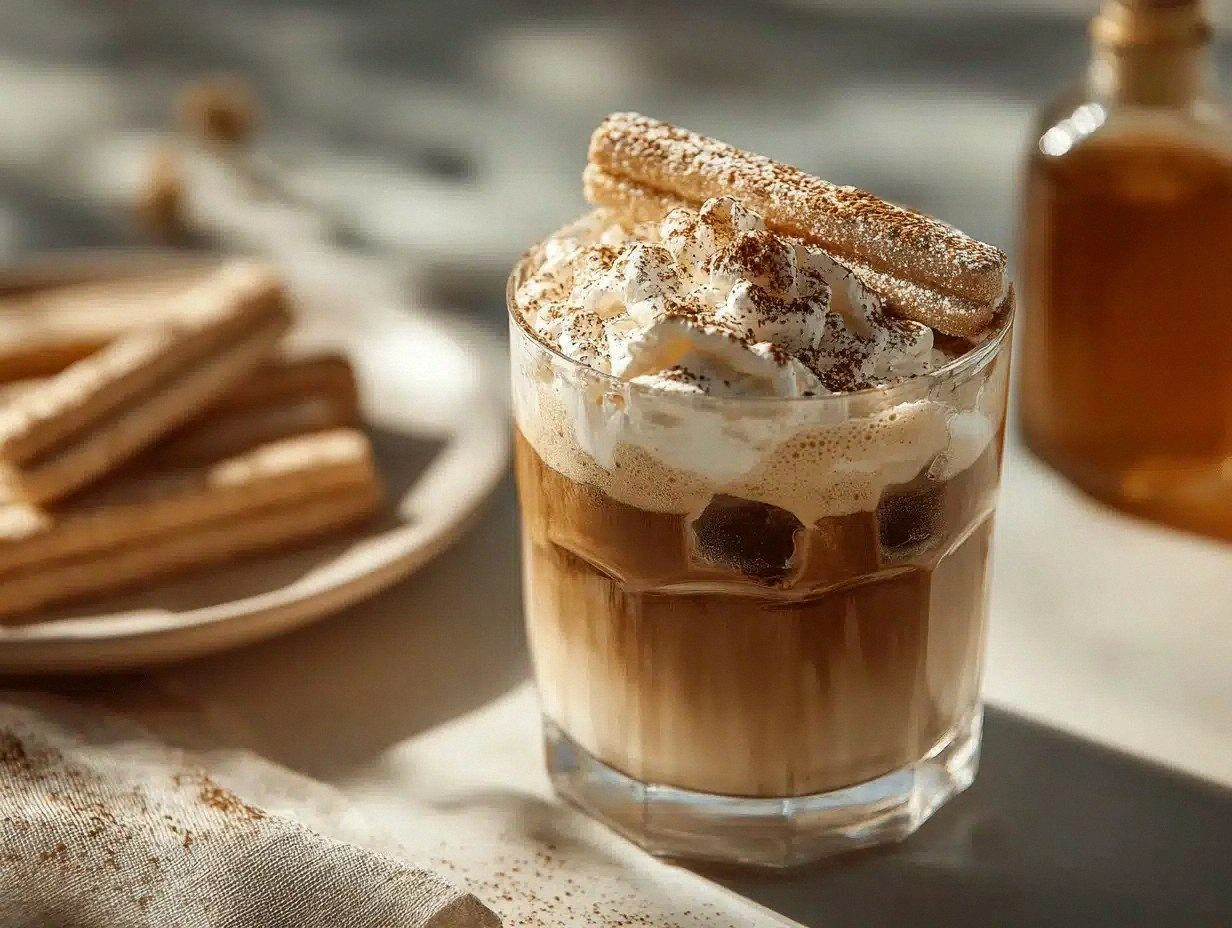
Now it’s time to assemble. Place a large mug on a heat‑proof surface. Pour the espresso into the mug first, allowing the dark liquid to coat the bottom. Then gently pour the warm mascarpone‑milk mixture over the espresso, using a spoon to hold back the foam. Finally, spoon the airy foam on top, creating a distinct layer that looks like a cloud.
-
Dust the top with a generous teaspoon of cocoa powder using a fine mesh sieve. The cocoa should settle in a thin, even layer, releasing a tantalizing aroma as soon as you lift the mug. For an extra touch, grate a tiny sliver of dark chocolate over the foam; it will melt slowly, adding a subtle shimmer.
-
Give the latte a gentle stir just before sipping, allowing the cocoa to mingle with the foam and the espresso to mingle with the mascarpone‑infused milk. The result is a harmonious swirl of bitter, sweet, and buttery flavors that coat your palate like a warm blanket. Serve immediately, and watch your guests’ eyes light up.
-
That’s it — you did it. But hold on, I’ve got a few more tricks that’ll take this to another level, like a secret garnish that adds a whisper of orange zest or a quick caramel drizzle that turns the latte into a dessert in a cup.
Insider Tricks for Flawless Results
The Temperature Rule Nobody Follows
Never heat your milk above 160°F (71°C). Higher temperatures cause the proteins to denature, resulting in a thin, watery foam that collapses within seconds. Use a kitchen thermometer or, if you don’t have one, watch for tiny bubbles forming around the edges of the pan—that’s the sweet spot. I once tried steaming milk at a rolling boil; the foam turned into a greasy film and the latte tasted like burnt milk. Keep it gentle, and the foam will stay glossy and stable.
Why Your Nose Knows Best
Before you even taste, trust your sense of smell. When the espresso finishes brewing, you should inhale a deep, roasted aroma with hints of chocolate and a faint fruity undertone. If the scent is flat or overly bitter, the beans may be over‑extracted. A quick sniff of the milk‑mascarpone blend should reveal a sweet, buttery fragrance; if you detect a sour note, the mascarpone might be past its prime. Adjust accordingly—add a pinch more sugar or a splash of vanilla to balance.
The 5‑Minute Rest That Changes Everything
After whisking the milk, let the foam sit for exactly five minutes. This pause allows the air bubbles to rise to the surface and the foam to thicken, creating that café‑quality head. During this time, the flavors meld, and the temperature stabilizes. Skipping this rest often leads to a latte that feels “cold in the middle” and lacks the silky mouthfeel we’re after.
Masking Bitterness with a Tiny Salt Pinch
A pinch of sea salt (less than 1/8 teaspoon) can dramatically reduce coffee bitterness without making the drink salty. It works by suppressing the perception of bitterness while enhancing the sweet and creamy notes. I once served this latte to a friend who claimed coffee was “too harsh”; after adding a pinch of salt, she declared it “the perfect balance.” It’s a tiny tweak with a huge payoff.
The Secret Garnish: Orange Zest
A fine strip of orange zest, expressed over the foam, adds a citrusy brightness that cuts through the richness. The essential oils from the zest lift the entire flavor profile, making each sip feel fresh. If you’re serving a crowd, keep a microplane handy and zest right before serving for maximum aroma impact. This garnish is the reason my latte feels like a holiday celebration in a mug.
Creative Twists and Variations
This recipe is a playground. Here are some of my favorite ways to switch things up:
Mocha‑Mint Fusion
Swap half of the cocoa powder for a teaspoon of crushed peppermint candy and add a drizzle of chocolate syrup before dusting. The result is a refreshing minty bite that still feels indulgent, perfect for after‑dinner sipping.
Spiced Chai Latte Remix
Replace the vanilla extract with a pinch of ground cardamom, cinnamon, and a splash of chai concentrate. This version brings warm spices to the forefront, making it an exotic twist that pairs well with autumn evenings.
Vegan Delight
Use coconut cream in place of mascarpone and oat milk instead of whole milk. Add a tablespoon of maple syrup for sweetness. The latte becomes dairy‑free while retaining that creamy, luxurious texture, and the coconut adds a subtle tropical note.
Caramel‑Swirl Luxury
Stir a tablespoon of homemade caramel sauce into the milk‑mascarpone mixture before frothing. The caramel’s buttery richness amplifies the dessert vibe, turning the latte into a dessert‑first drink.
Alcohol‑Free Espresso Shot
If you prefer to keep the drink sober, replace the coffee liqueur with a splash of vanilla‑infused almond extract. It mimics the depth of liqueur without the alcohol, keeping the flavor profile balanced and kid‑friendly.
Storing and Bringing It Back to Life
Fridge Storage
Transfer any leftover latte (minus the foam) into an airtight glass jar and refrigerate for up to 48 hours. The mascarpone may thicken slightly; give it a gentle stir before reheating. This method preserves the flavor without sacrificing the creamy texture.
Freezer Friendly
For longer storage, pour the latte into a freezer‑safe container, leaving a centimeter of headspace. Freeze for up to two weeks. When you’re ready to enjoy, thaw overnight in the fridge, then gently re‑heat on the stovetop, adding a splash of water to restore the silky mouthfeel.
Best Reheating Method
Reheat the latte over low heat, stirring constantly, until it reaches a gentle simmer. Add a tiny splash (about a tablespoon) of water or extra milk; this creates steam that revives the foam and prevents the mixture from becoming grainy. Once hot, re‑foam using a whisk or a handheld frother for that fresh‑made feel.