Picture this: I’m in my kitchen at midnight, the fridge humming like a distant train, and a sudden craving for something that screams Mediterranean but won’t betray my keto vows hits me like a bolt of lightning. I rummaged through the pantry, grabbed the last of my almond flour, crumbled a block of feta, and tossed in whatever meat was lurking—ground beef, a hint of lamb, even a stray packet of turkey. The first batch was a disaster, a soggy mess that could’ve passed for a failed science experiment, and I swore I’d never attempt Greek meatballs again. I dared myself to keep trying, and that dare turned into a full-blown obsession.
The moment the skillet hissed, the air filled with a perfume that could’ve coaxed the gods down from Olympus. Imagine the earthy scent of garlic mingling with the sharp tang of feta, the sweet whisper of oregano, and a buttery undertone from the almond flour that clung to every surface. You could hear the meatballs sizzle, a sound like tiny fireworks announcing the start of something spectacular. My kitchen felt alive, the wooden counter warm under my palms, the metal spoon clinking against the pot like a tiny bell. I could taste the anticipation already—a juicy, herb‑kissed bite that promised a crunchy exterior and a melt‑in‑your‑mouth center.
What makes this version the ultimate keto Greek meatball? It’s the perfect marriage of low‑carb ingenuity and authentic Greek flair. Most recipes either drown the meat in carbs or skimp on the bold flavors that make Greek cuisine unforgettable. I cracked the code by swapping traditional breadcrumbs for almond flour, which gives the perfect crumb without the carbs, and I folded in crumbled feta for that creamy, salty pop that makes every bite a revelation. The result? A dish that’s not just keto‑friendly, but downright addictive. I’ll be honest — I ate half the batch before anyone else got a chance to try it, and that’s a confession you won’t hear from most “healthy” recipes.
But here’s the kicker: there’s a secret technique involving a quick chill in the freezer that locks in moisture and creates a crust that’s crisp on the outside while staying tender inside. I dare you to taste this and not go back for seconds; the texture is so addictive it practically whispers, “Come back for more.” Let me walk you through every single step — by the end, you’ll wonder how you ever made it any other way.
What Makes This Version Stand Out
- Flavor Explosion: The combination of feta, oregano, and fresh herbs creates a Mediterranean punch that outshines any bland meatball you’ve tried before. Each bite bursts with tangy, herbaceous notes that make your taste buds dance.
- Low‑Carb Magic: Almond flour replaces breadcrumbs, slashing the carbs while delivering a delicate crumb that holds the meat together without turning gummy. It’s the secret weapon for keto success.
- Texture Perfection: A quick chill before cooking gives the meatballs a firm exterior that cracks like a crisp shell, while the interior stays juicy and tender—think of it as a culinary yin‑yang.
- Simplicity at Its Core: Fewer than ten ingredients, all pantry‑friendly, and a handful of steps that even a kitchen novice can master without breaking a sweat.
- Crowd‑Pleaser Factor: These meatballs have a way of stealing the spotlight at parties, leaving guests begging for the recipe while you bask in the glory of culinary genius.
- Make‑Ahead Power: Prepare the mixture ahead of time, freeze the shaped balls, and pop them into the oven whenever you need a quick, impressive appetizer.
- Ingredient Quality: Using high‑quality ground beef or lamb and authentic feta ensures a depth of flavor that cheap substitutes simply can’t match.
- Cooking Method Mastery: Oven‑baking instead of deep‑frying keeps the dish lighter, reduces mess, and still delivers that coveted golden crust.
Inside the Ingredient List
The Flavor Base
Ground beef or lamb: This is the heart of the meatball, providing rich, savory depth. Beef offers a classic, robust flavor, while lamb adds a slightly sweet, gamey nuance that pairs beautifully with Greek herbs. Skipping it means losing the juicy foundation that makes each bite satisfying. If you’re looking for a leaner profile, opt for ground turkey or chicken, but expect a milder taste.
Fresh herbs (parsley or dill): Chopped parsley or dill injects a bright, herbaceous lift that cuts through the richness of the meat. Freshness is key—dried herbs can’t replicate that vibrant pop. Forgetting them results in a flat flavor profile that feels one‑dimensional.
The Texture Crew
Almond flour: This low‑carb miracle replaces breadcrumbs, giving the meatballs a light, airy crumb that holds everything together. It also adds a subtle nutty undertone that enhances the overall taste. If you substitute with coconut flour, the texture becomes overly dry and crumbly.
Egg: The binder that keeps the mixture from falling apart during baking. It adds moisture and a silky richness that you’d miss if you tried a “no‑egg” version. Skipping the egg often leads to crumbly, uneven meatballs that fall apart on the plate.
The Unexpected Star
Crumble feta cheese: This tangy, salty cheese is the secret sauce that elevates the dish from ordinary to unforgettable. It melts slightly during baking, creating pockets of creamy goodness that surprise the palate. If you omit feta, you lose that signature Greek zing that makes these meatballs sing.
The Final Flourish
Dried oregano: The quintessential Greek herb that infuses the meatballs with an aromatic, slightly piney flavor. It’s the bridge between the meat and the feta, ensuring every bite feels cohesive. Using too little leaves the dish lacking that signature Mediterranean aroma.
Garlic: The ultimate flavor booster; minced garlic releases a fragrant punch that awakens the other ingredients. More garlic equals more depth—don’t be shy. If you skip it, the meatballs will feel bland and miss that essential kick.
Salt and pepper: The universal seasoners that amplify all other flavors. Proper seasoning is non‑negotiable; under‑salting leads to a muted dish, while over‑salting can overpower the delicate feta notes.
Everything's prepped? Good. Let's get into the real action…
The Method — Step by Step
First, gather all your ingredients and give the meat a quick pat with paper towels to remove excess moisture. This might sound trivial, but a dry surface ensures the almond flour adheres properly, preventing a soggy exterior. I like to let the meat sit at room temperature for five minutes; this makes it easier to blend with the other components. As you watch the mixture come together, you’ll notice a faint aroma of garlic and oregano beginning to emerge.
In a large bowl, combine the ground beef (or lamb) with the almond flour, crumbled feta, and the egg. Using your hands, gently mix until everything is just incorporated—over‑mixing can toughen the meat. This step is where the magic starts; you’ll feel the texture shift from loose to cohesive, like a dough forming under your fingertips. Power transition: Okay, ready for the game‑changer?
Add the minced garlic, dried oregano, chopped fresh herbs, and a generous pinch of salt and pepper. Sprinkle the seasonings evenly, then give the mixture another gentle fold. The scent should intensify, hinting at the Mediterranean breeze you’re about to capture. If you’re using ground chicken or turkey as a lighter swap, this is the moment to incorporate it, ensuring it blends seamlessly.
Kitchen Hack: Use a silicone spatula instead of a wooden spoon to prevent the mixture from sticking and to keep the meat tender.Cover the bowl with plastic wrap and let the mixture rest in the refrigerator for at least 20 minutes. This chilling period allows the almond flour to absorb moisture, creating a firmer binding agent. Trust me, skipping this step leads to meatballs that fall apart on the pan. While you wait, you can prep your baking sheet with parchment paper—no sticking, no mess.
After the rest, scoop out about two tablespoons of mixture and roll it between your palms to form uniform balls, roughly the size of a golf ball. Consistency is key; uneven balls bake unevenly, leaving some undercooked while others become overly crisp. Place each ball on the prepared tray, spacing them a couple of centimeters apart.
Now comes the crucial “flash‑freeze” step. Slide the tray into the freezer for exactly 10 minutes—no more, no less. This rapid chill solidifies the outer layer, ensuring a perfect golden crust when baked. Watch Out: If you leave them too long, they’ll freeze solid and take longer to bake, risking a dry interior.
Watch Out: Over‑crowding the pan will cause steam to trap, preventing the crust from forming. Give each meatball breathing room.Preheat your oven to 400°F (200°C). While it heats, remove the tray from the freezer and let the meatballs sit at room temperature for two minutes—just enough to take the edge off the chill but not enough to melt the exterior.
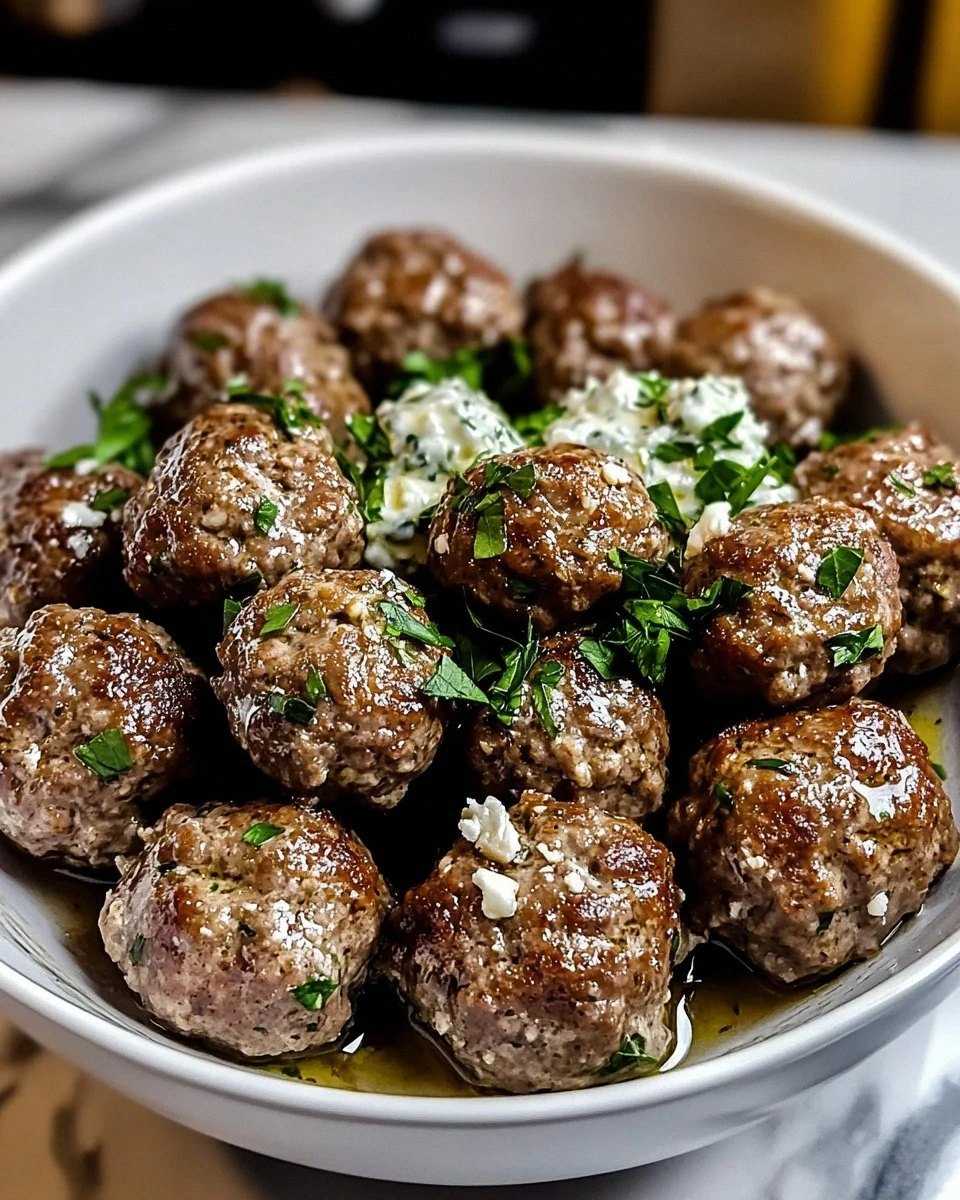
Place the tray in the middle rack and bake for 20‑25 minutes, turning once halfway through. You’ll hear a faint crackle as the edges begin to brown; that’s the sound of flavor locking in. The meatballs are ready when they’re deep golden and a meat thermometer reads 160°F (71°C) at the center.
Kitchen Hack: For an extra glaze, brush the meatballs with a quick lemon‑olive‑oil drizzle during the last five minutes of baking.When the timer dings, pull the tray out and let the meatballs rest for five minutes. This short pause lets the juices redistribute, guaranteeing that every bite is moist and succulent. Transfer them to a serving platter, sprinkle a final handful of fresh herbs, and watch your guests’ eyes widen. That’s it — you did it. But hold on, I’ve got a few more tricks that'll take this to another level…
Insider Tricks for Flawless Results
The Temperature Rule Nobody Follows
Never bake meatballs straight from the freezer at a low temperature; the outside will dry out before the inside cooks. Start at 425°F for the first ten minutes, then drop to 375°F to finish. This shock‑and‑slow method creates a crisp crust while keeping the interior juicy. A friend once tried a single‑temperature bake and ended up with meatballs that were tough as shoe leather—let’s just say they didn’t make it to the next party.
Why Your Nose Knows Best
Trust the aroma as your ultimate doneness gauge. When the meatballs start to emit a nutty, toasted scent, you’re within two minutes of perfect. The moment the kitchen smells like a Greek taverna, you know the flavors have melded. If you rely solely on visual cues, you might over‑cook them, losing that tender bite.
The 5‑Minute Rest That Changes Everything
Resting isn’t just for steaks. Letting the meatballs sit after baking lets the internal juices settle, preventing a dry mouthfeel. During this brief pause, the almond flour continues to absorb any stray moisture, solidifying the crumb. Skipping this step is like serving a cake that’s still hot—everything slides off.
Seasoning Layers for Depth
Season in three stages: mix some salt into the meat, sprinkle a pinch of pepper on the formed balls, and finish with a dash of flaky sea salt after baking. This layered approach builds flavor depth, ensuring each bite has a balanced salt profile. A single‑stage seasoning often leaves the interior bland while the exterior is overly salty.
Pan Choice Matters
A heavy‑bottomed sheet pan distributes heat evenly, preventing hot spots that can burn one side of a meatball while leaving the other undercooked. If you use a flimsy pan, you’ll get uneven browning and a less consistent texture. Invest in a good quality, rimmed baking sheet—it’s worth it for the consistency.
Creative Twists and Variations
This recipe is a playground. Here are some of my favorite ways to switch things up:
Spicy Sriracha Swirl
Mix a tablespoon of sriracha into the meat mixture before shaping. The heat pairs surprisingly well with the feta’s tang, creating a sweet‑heat balance that’ll make your guests reach for more.
Herb‑Infused Goat Cheese
Replace half of the feta with creamy goat cheese and add a teaspoon of fresh thyme. The result is a silkier interior with a herbaceous note that feels luxurious.
Mediterranean Veggie Boost
Finely dice roasted red peppers and sun‑dried tomatoes, then fold them into the mixture. The bursts of sweet acidity contrast beautifully with the savory meat.
Lemon‑Zest Surprise
Add a teaspoon of freshly grated lemon zest to the batter. The citrus lifts the entire flavor profile, making the meatballs feel lighter and brighter.
Greek Yogurt Dipping Sauce
Whisk together Greek yogurt, a drizzle of olive oil, minced garlic, and a pinch of oregano. Serve alongside the meatballs for a cool, creamy dip that balances the warm spices.
Cheesy Crust Upgrade
After baking, sprinkle grated Parmesan over the hot meatballs and return to the oven for two minutes. The cheese melts into a golden, crisp layer that adds an extra dimension of flavor.
Storing and Bringing It Back to Life
Fridge Storage
Place cooled meatballs in an airtight container lined with a paper towel to absorb excess moisture. They’ll stay fresh for up to four days. Reheat gently in a 350°F oven for ten minutes, adding a splash of water to the pan to create steam and revive the crust.
Freezer Friendly
Arrange the raw, chilled meatballs on a parchment‑lined tray and freeze solid. Transfer them to a zip‑top bag; they’ll keep for three months. To cook from frozen, add an extra five minutes to the baking time and watch the edges turn golden without drying out.
Best Reheating Method
For the ultimate reheating, preheat a skillet over medium‑low heat, add a drizzle of olive oil, and toss the meatballs for three minutes, covering the pan to trap steam. This method restores the crisp exterior while keeping the interior juicy, as if they just came out of the oven.