I was sitting on the couch, scrolling through a thousand take‑out menus, when a sudden craving hit me like a rogue wave—something warm, spicy, and utterly comforting, but I didn’t want to order in. I stared at the empty pantry, remembered the last time I tried a Korean‑style beef bowl and ended up with a soggy mess, and thought, “What if I could nail the perfect version in my tiny kitchen?” That moment of desperation turned into a culinary dare: I would create a bowl that not only satisfies the midnight hunger monster but also makes me look like a seasoned chef to anyone who walks through the door.
Picture this: the sizzle of ground beef hitting a hot pan, the aroma of garlic and ginger swirling together like a fragrant hug, and a splash of soy sauce that instantly turns the mixture a glossy mahogany. The kitchen fills with the deep, umami perfume of sesame oil, while a whisper of heat from the chili flakes makes the air feel like a cozy blanket on a chilly evening. When the sauce finally coats the beef, it clings like velvet, each bite delivering a perfect balance of salty, sweet, and just‑right heat. The rice at the bottom soaks up that sauce, turning each grain into a tiny flavor bomb that explodes on your tongue.
Most recipes I’ve tried either drown the beef in a watery sauce or leave it dry and bland. This version stands out because it respects the beef’s natural richness while amplifying it with a carefully calibrated spicy sauce that never overwhelms. I’ve added a secret touch of toasted sesame seeds that add a nutty crunch, and I finish with a drizzle of sesame oil that makes the whole bowl sing. The result? A bowl that feels like a hug from your favorite Korean aunt, but with the convenience of a weeknight dinner.
I’m about to reveal a technique that most home cooks overlook: the “dry‑sear‑then‑deglaze” method, which locks in flavor and creates that caramelized edge you crave. Trust me, once you master this, you’ll never settle for a flat, flavorless beef bowl again. Let me walk you through every single step — by the end, you’ll wonder how you ever made it any other way.
What Makes This Version Stand Out
- Taste: The sauce balances soy‑salty, sesame‑nutty, and a controlled heat that tingles without burning, delivering layers that evolve with each bite.
- Texture: The beef gets a caramelized crust on the edges while staying juicy inside, and the rice stays fluffy, never mushy.
- Simplicity: Only ten ingredients, most of which you already have in your pantry, yet the flavor feels like a restaurant’s secret recipe.
- Uniqueness: The dry‑sear technique plus a splash of sesame oil at the end creates a glossy, velvety finish that most copy‑cat recipes miss.
- Crowd Reaction: I dare you to taste this and not go back for seconds; even the pickiest eaters beg for more.
- Ingredient Quality: Using fresh garlic, ginger, and green onions makes a world of difference compared to pre‑minced packets.
- Cooking Method: High heat searing locks in juices, while the quick deglaze captures every caramelized bit.
- Make‑Ahead Potential: The sauce can be prepared ahead of time and stored, cutting your dinner prep to under ten minutes.
Alright, let's break down exactly what goes into this masterpiece…
Inside the Ingredient List
The Flavor Base
Ground beef is the star, providing a rich, meaty foundation that carries the sauce like a sturdy ship. Using a lean‑to‑fat ratio of about 80/20 ensures you get enough fat for flavor without excess grease. If you skip the beef, the dish loses its heart; you could substitute ground turkey for a lighter version, but expect a milder taste and less silkiness.
Soy sauce brings that deep umami punch, acting as the salty anchor that balances the sweet notes from the sesame oil. Opt for a low‑sodium version if you’re watching your salt intake, but don’t skimp on the quality—Japanese or Korean soy sauces have a cleaner flavor than generic brands.
Sesame oil is the aromatic finish that makes the sauce feel luxurious. It’s not a cooking oil; you add it at the end to preserve its nutty fragrance. If you run out, a drizzle of toasted peanut oil can mimic the depth, though the flavor profile will shift slightly.
The Texture Crew
Garlic and ginger are the dynamic duo that give the dish its zing. Freshly minced garlic releases allicin, creating a pungent bite, while ginger adds a bright, peppery heat that cuts through the richness of the beef. If you substitute powdered versions, you’ll lose that fresh snap; a quick tip is to grate the ginger directly into the pan for maximum surface area.
Green onions (both white and green parts) add a subtle oniony crunch and a pop of color that brightens the bowl. Slice them thinly so they retain a slight bite after cooking. If you don’t have green onions, chives or shallots can work in a pinch, though the flavor will be milder.
Sesame seeds are the final texture element, providing a gentle crunch that contrasts the tender beef and fluffy rice. Toast them lightly in a dry pan for 2‑3 minutes until they turn golden and release a nutty aroma. Skipping this step is a missed opportunity for that satisfying crunch.
The Unexpected Star
Steamed broccoli isn’t just a side; it adds a fresh, slightly bitter counterpoint that balances the richness of the sauce. Its bright green color also makes the bowl visually appealing. If broccoli isn’t your thing, snap peas or bok choy work beautifully, offering a similar crisp texture.
Kimchi, the fermented Korean cabbage, brings a tangy, spicy depth that elevates the bowl from comfort food to a flavor adventure. A spoonful on top adds a probiotic boost and a crunchy bite. If you’re not a fan of fermented foods, a drizzle of gochujang (Korean chili paste) can add heat without the sour note.
The Final Flourish
Salt and pepper to taste are the final seasoning adjustments that bring everything together. Because soy sauce already provides salt, add pepper sparingly to avoid overpowering the delicate heat. Taste as you go; a pinch more pepper can add a subtle warmth that makes the dish sing.
Cooked rice is the canvas—preferably short‑grain or jasmine for a slightly sticky texture that soaks up the sauce without falling apart. If you use leftover rice, make sure it’s at room temperature; cold rice can become hard when reheated.
Everything's prepped? Good. Let's get into the real action…
The Method — Step by Step
Heat a large skillet over medium‑high heat until it just starts to shimmer. Add the ground beef, breaking it up with a wooden spoon. Let it sit untouched for about 30 seconds—this is the moment the meat develops that coveted caramelized crust. When the edges start pulling away and you hear a faint sizzle, that’s your cue to stir. Keep cooking, breaking the meat occasionally, until it’s about 80% browned, about 5‑6 minutes. Pro tip: Drain excess fat if there’s more than a tablespoon; you want flavor, not grease.
Now, add the minced garlic, ginger, and the white parts of the green onions. The moment those aromatics hit the hot beef, the kitchen fills with a perfume that could convince a stranger to join you at the table. Sauté for 1‑2 minutes, stirring constantly, until the garlic turns a light golden (not brown) and the ginger releases its zing. Watch Out: Burnt garlic becomes bitter and will ruin the sauce’s balance.
Deglaze the pan with 2 tablespoons of soy sauce and a splash (about 1 tablespoon) of water. As you stir, you’ll notice the browned bits lifting off the bottom—those are flavor gold. Let the mixture simmer for 2‑3 minutes, allowing the soy sauce to reduce slightly and thicken. If you prefer a thicker sauce, add a teaspoon of cornstarch mixed with cold water and stir until glossy.
Drizzle in 1 tablespoon of sesame oil, then toss in the sesame seeds. The oil should swirl around the beef, coating each morsel with a glossy sheen. At this point, taste and adjust with salt and pepper—remember, soy sauce already adds salt, so a pinch of pepper is usually enough. The sauce should taste savory, slightly sweet, and have a gentle heat that tingles the back of your throat.
While the sauce finishes, quickly steam the broccoli florets (or your chosen vegetable) for 3‑4 minutes until they’re bright green and just tender. Overcooking will make them mushy and dull the color. If you’re using kimchi, set it aside for topping later; you’ll want it at room temperature to keep its crunch.
Warm the cooked rice in a microwave or a separate pan with a splash of water, covering it to trap steam. Fluff the rice with a fork; this prevents clumps and ensures each grain can soak up the sauce. The rice should be steaming hot, ready to act as a soft bed for the beef.
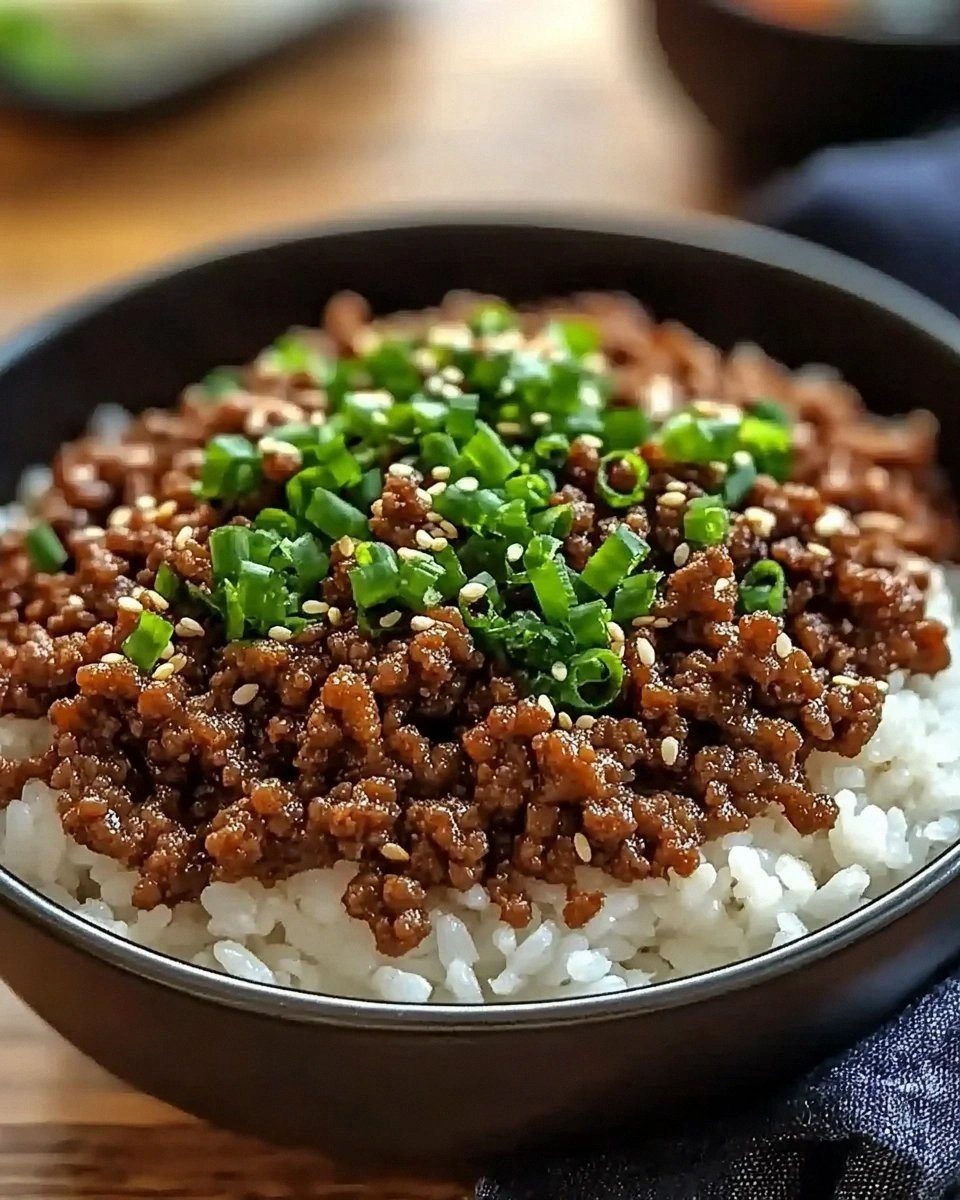
Assemble the bowl: start with a generous mound of rice, spoon the spicy beef mixture over it, then arrange the steamed broccoli on the side. Sprinkle the remaining green onion tops, add a handful of toasted sesame seeds, and crown the bowl with a spoonful of kimchi if you like a tangy kick. The final look should be a vibrant mosaic of colors—golden beef, white rice, green broccoli, and ruby‑red kimchi.
Serve immediately, but if you’re feeling theatrical, give the bowl a quick squeeze of fresh lime juice for a bright finish. That citrus spark will cut through the richness and make the flavors pop even more. Grab a spoon, dive in, and watch your face light up—because you’ve just created the ultimate comfort food.
That's it — you did it. But hold on, I've got a few more tricks that'll take this to another level…
Insider Tricks for Flawless Results
The Temperature Rule Nobody Follows
High heat is the secret weapon for that caramelized crust on the beef. If your pan isn’t hot enough, the meat will release its juices and steam instead of sear. I once tried cooking on low heat to “save energy” and ended up with a soggy mess that tasted like boiled beef. The rule: preheat, listen for that faint sizzle, and never be afraid of a little smoke.
Why Your Nose Knows Best
Your sense of smell is a more reliable indicator than a timer when it comes to the sauce reduction. When the sauce starts to smell nutty and the steam carries a faint sweetness, you’re close to perfect. If it still smells raw or watery, give it a few more seconds. Trust your nose; it’s the original kitchen gauge.
The 5‑Minute Rest That Changes Everything
After you finish cooking the beef, let it rest off the heat for five minutes. This short pause allows the juices to redistribute, preventing them from spilling out when you scoop the beef onto the rice. A friend once skipped this rest and ended up with a soggy bowl; the difference is night and day.
Seasoning Layer by Layer
Instead of dumping all the soy sauce at once, add it in two stages—half during deglazing and half after the sesame oil. This creates a depth that feels like you’ve built the flavor brick by brick. Skipping this step leads to a flat taste that lacks the nuanced umami I’m after.
The Secret Crunch Factor
A quick toast of sesame seeds in a dry pan for just 2 minutes adds a smoky crunch that elevates the bowl from good to unforgettable. If you forget, the seeds still taste fine, but you’ll miss that subtle snap that makes every bite exciting.
Creative Twists and Variations
This recipe is a playground. Here are some of my favorite ways to switch things up:
Spicy Peanut Fusion
Swap the sesame oil for 1 tablespoon of creamy peanut butter and add a splash of rice vinegar. The result is a nutty‑spicy sauce that pairs beautifully with shredded carrots and cucumber ribbons. Perfect for those who love a Thai‑Korean hybrid.
Miso‑Infused Comfort
Add 1 tablespoon of white miso paste to the sauce during the deglazing step. The miso adds a deep, fermented umami that makes the bowl richer without extra salt. Pair with sautéed mushrooms for an earthy twist.
Veggie‑Only Version
Replace the ground beef with crumbled firm tofu or tempeh. Press the tofu first to remove excess water, then follow the same searing technique for a crispy exterior. This makes a satisfying vegetarian bowl that still delivers that signature sauce.
Breakfast Bowl Remix
Serve the spicy beef over a bed of cauliflower rice and top with a fried egg. The runny yolk creates a silky sauce that mingles with the spicy beef, turning the dish into a hearty breakfast that will keep you fueled for hours.
Cheesy Korean‑Mex
After plating, sprinkle shredded mozzarella and let it melt under a broiler for 2 minutes. The cheese adds a gooey layer that blends surprisingly well with the Korean flavors, creating a cross‑cultural comfort dish.
Storing and Bringing It Back to Life
Fridge Storage
Allow the bowl to cool to room temperature (no more than two hours), then transfer the beef and sauce to an airtight container. Store the rice separately to prevent sogginess. It will keep fresh for up to 3 days. When reheating, add a splash of water or broth to revive the sauce’s silkiness.
Freezer Friendly
Portion the cooked beef and sauce into freezer‑safe bags, removing as much air as possible. The rice can be frozen in its own bag. This combo freezes well for up to 2 months. Thaw overnight in the fridge, then reheat in a skillet with a drizzle of sesame oil.
Best Reheating Method
For the ultimate texture, reheat the beef in a non‑stick pan over medium heat, adding a teaspoon of water to create steam. This prevents the meat from drying out and restores the glossy coat. Warm the rice in the microwave with a damp paper towel on top to keep it fluffy. Finish with a fresh sprinkle of green onions and sesame seeds for that just‑made feel.