
Bright, buttery scones speckled with poppy seeds and a zing of lemon—perfect for any time of day.
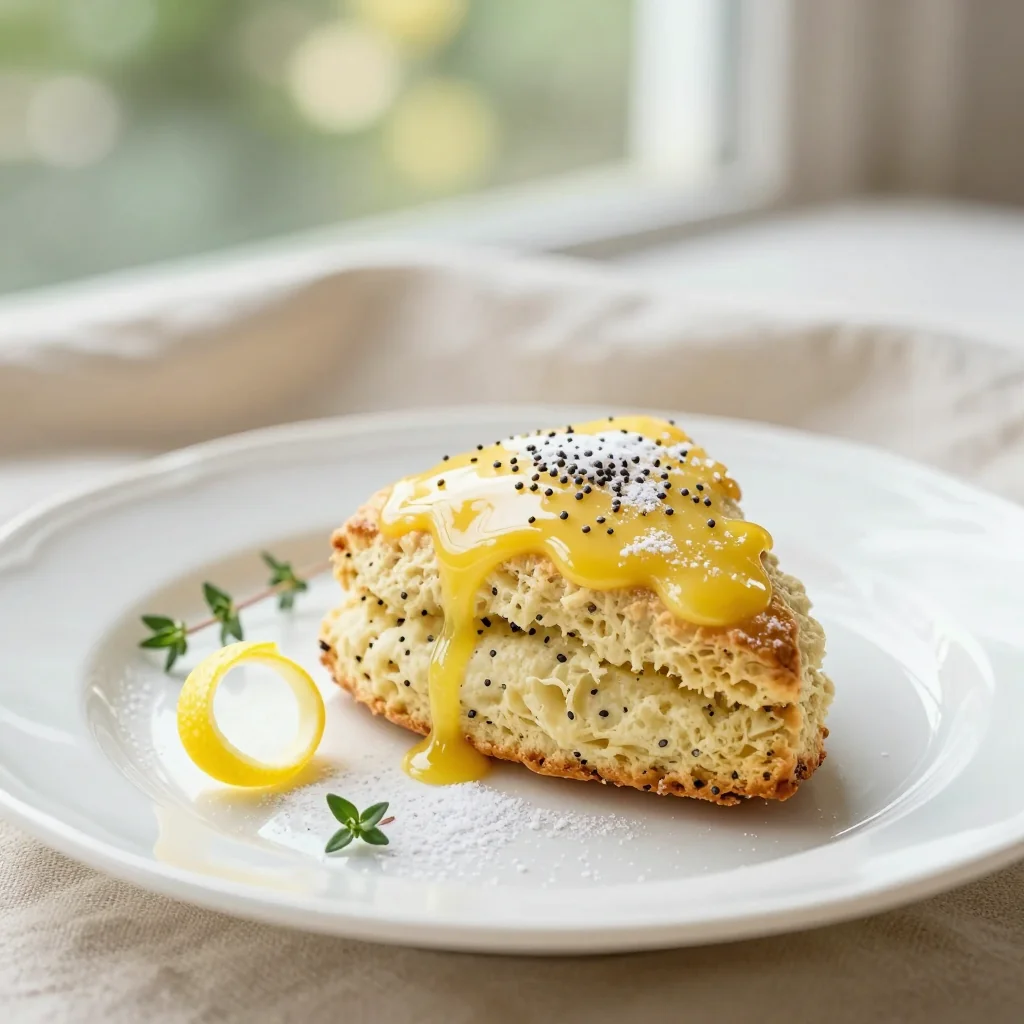
When I was a child, the aroma of fresh lemon scones drifting from my grandmother’s kitchen was the soundtrack of Sunday mornings. The buttery crumb, the subtle pop of poppy seeds, and that bright citrus note made every bite feel like a small celebration. I still remember how the golden tops would glisten under the kitchen light, inviting us to pause our busy lives and savor a moment of pure comfort.
Lemon poppy seed scones have their roots in British tea-time tradition, yet they have traveled across oceans to become a beloved treat in cafés worldwide. Their versatility—delicious warm, or at room temperature, with a drizzle of glaze or a smear of clotted cream—makes them a timeless classic that never feels outdated.
In this guide, I’ll walk you through every nuance of the recipe: from selecting the right butter to mastering the delicate balance of lemon zest and poppy seeds. You’ll learn why a cold butter cubed into the flour is the secret to that tender crumb, and how a simple glaze can elevate the scones from good to unforgettable.
Ready to bring a touch of sunshine to your table? Let’s get started and create scones that will have everyone reaching for seconds.
🌟 Why This Recipe Will Captivate You
These lemon poppy seed scones are more than just a baked good—they’re a sensory experience that blends texture, flavor, and aroma in perfect harmony.
- ✨ Irresistible Flavor Balance: The tartness of fresh lemon cuts through the subtle sweetness, while poppy seeds add a delightful crunch that keeps every bite interesting.
- ✨ Foolproof Technique: By using cold butter and minimal handling, even beginners can achieve a flaky, tender crumb without a bakery’s equipment.
- ✨ Versatile Serving Options: Serve them warm with butter, drizzle with glaze, or pair with jam—each option highlights a different facet of the scone’s flavor profile.
- ✨ Quick and Efficient: From start to finish, the recipe fits comfortably within a 35‑minute window, perfect for busy mornings or spontaneous brunches.
- ✨ Nutrient‑Smart: Using whole‑milk and a modest amount of sugar provides a comforting treat without overloading on empty calories.
- ✨ Crowd‑Pleaser: The bright lemon aroma draws people to the kitchen, making these scones an ideal centerpiece for gatherings, tea parties, or casual family breakfasts.
🥗 The Ingredients
📝 Complete Ingredient List
For the Scone Dough:
For the Lemon Glaze:
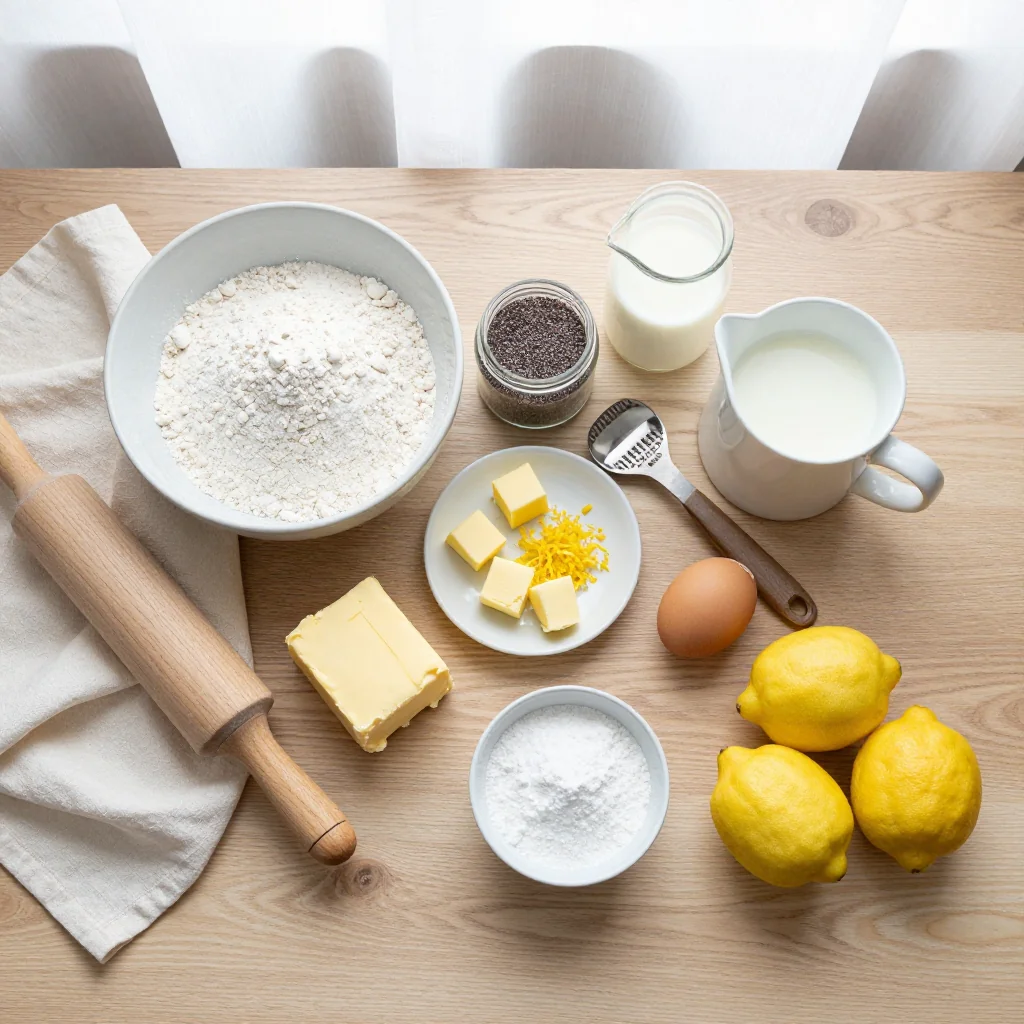
🔍 Focus on Key Ingredients
Unsalted Butter
Butter is the cornerstone of a tender scone crumb. Using cold, cubed butter and cutting it into the flour creates tiny pockets of fat that melt during baking, resulting in flaky layers. Opt for European‑style butter with at least 82% butterfat for richer flavor and a silkier mouthfeel.
Lemon Zest & Juice
Fresh lemon zest contains essential oils that deliver bright, aromatic citrus without the harsh acidity of juice alone. Pairing zest with a modest amount of juice adds moisture while preserving that sunny flavor. Always zest before juicing to avoid a soggy zest.
Poppy Seeds
Poppy seeds contribute a delicate crunch and a nutty undertone that balances the lemon’s sharpness. They also add visual interest, speckling each scone with tiny dark flecks that catch the eye. If you prefer a milder texture, toast them lightly before folding into the dough.
🔄 Quick Substitutions
| If you don’t have... | Use instead... |
|---|---|
| All‑purpose flour | Gluten‑free all‑purpose blend |
| Unsalted butter | Cold coconut oil (solid) or vegan butter |
| Whole milk | Almond milk or oat milk (choose an unflavored variety) |
👨🍳 Step‑by‑Step Instructions
Follow these detailed steps to achieve perfectly golden scones with a tender crumb and a burst of lemon flavor.
📋 Phase 1: Preparation and Mise en Place
Gather and prep all components before you start mixing.
Measure and Sift Dry Ingredients
In a large mixing bowl, sift together the flour, sugar, baking powder, and salt. Sifting aerates the flour, ensuring a light texture and eliminating any lumps that could create dense spots in the final scones.
Cut Cold Butter into the Flour
Using a pastry cutter or two forks, cut the cold butter cubes into the dry mixture until it resembles coarse crumbs with pea‑size butter pieces. The goal is to keep the butter cold; this creates steam pockets during baking, yielding a flaky texture.
🔥 Phase 2: Mixing and Baking
Combine wet ingredients and bake to golden perfection.
Whisk Wet Ingredients
In a separate bowl, whisk together the milk, egg, lemon zest, and lemon juice until fully incorporated. The acidity from the lemon will react slightly with the baking powder, giving the scones a gentle lift.
Combine Wet and Dry Mixtures
Make a well in the center of the dry ingredients and pour in the wet mixture. Gently fold with a rubber spatula until just combined; a few streaks of flour are acceptable. Over‑mixing will develop gluten, making the scones dense.
Fold in Poppy Seeds
Sprinkle the poppy seeds over the dough and fold them in gently, ensuring an even distribution without crushing the seeds.
Shape and Cut the Scones
Turn the dough onto a lightly floured surface, pat it into a 2‑inch thick circle. Using a floured 2‑inch round cutter, press straight down without twisting to achieve clean edges. Gather scraps, reshape, and cut again until all dough is used.
Bake
Place the scones on a parchment‑lined baking sheet, leaving a small gap between each. Bake in a preheated 200°C (390°F) oven for 12‑15 minutes, or until the tops are lightly golden and a toothpick inserted into the center comes out clean.
✨ Phase 3: Finishing Touches and Serving
Add the glaze and present the scones beautifully.
Prepare Lemon Glaze
While the scones bake, whisk together powdered sugar and lemon juice until smooth. Adjust consistency with a few extra drops of juice if too thick.
Glaze the Warm Scones
When the scones are out of the oven, let them cool on a rack for 2 minutes, then drizzle the glaze over each scone using a spoon. The glaze will set quickly, creating a glossy finish.
Serve
Serve the scones warm with a pat of butter, a dollop of clotted cream, or a spoonful of berry jam. They pair beautifully with a cup of Earl Grey tea or a glass of chilled sparkling water.
💡 Expert Tips and Tricks
🛒 Choosing the Right Ingredients
Opt for high‑fat, European‑style butter; its higher butterfat content yields a richer crumb. When selecting lemons, choose those that are heavy for their size and have a vibrant, glossy skin—these contain more zest oil. For poppy seeds, buy in small, airtight containers to preserve their delicate flavor and prevent them from turning rancid.
🔪 Preparation Techniques
Keep all ingredients, especially butter and milk, as cold as possible until the moment they combine. This prevents the butter from melting too early, which would result in a dense texture. When folding the dough, use a gentle “cut‑and‑lift” motion rather than vigorous stirring.
🌡️ Mastering the Baking Process
Preheat your oven fully before inserting the tray; a sudden temperature shift can cause the scones to spread unevenly. Rotate the baking sheet halfway through the bake to ensure even browning, especially if your oven has hot spots.
🍽️ Presentation and Service
Arrange the scones on a rustic wooden board, drizzle the glaze in a zig‑zag pattern, and sprinkle a few extra poppy seeds on top for visual contrast. Pair with a small bowl of fresh berries or a spoonful of lemon curd for an elevated brunch experience.
🏆 Pro Secrets
Professional bakers differentiate their work through precision, technique, and a deep understanding of ingredient science.
- 🎯 Temperature Layering: By chilling the dough for 10 minutes after shaping, you allow the butter to solidify again, creating distinct layers that puff up beautifully during baking.
- 🎯 Flour Hydration Ratio: Maintaining a flour‑to‑liquid ratio of roughly 2:1 (by weight) ensures the dough is moist enough for tenderness but not so wet that it spreads excessively.
- 🎯 Acid‑Base Balance: The lemon juice’s acidity slightly activates the baking powder, giving the scones a subtle rise without the need for yeast.
- 🎯 Glaze Timing: Drizzle the glaze while the scones are still warm; the residual heat helps the glaze set with a glossy sheen while preserving the lemon’s fresh flavor.
- 🎯 Cutting Technique: Use a straight‑down press with a floured cutter; twisting can compress the dough, leading to denser crumbs.
- 🎯 Serving Temperature: Scones taste best when served warm (within 15 minutes of baking) because the butter is still soft, enhancing mouthfeel.
“Good pastry is the result of patience, precision, and the courage to let simple ingredients shine.” — Mary Berry
🔄 Variations and Adaptations
These scones are a versatile canvas—feel free to tailor them to dietary needs or flavor cravings.
🥬 Vegetarian/Vegan Version
Replace the egg with a flax‑seed “egg” (1 tbsp ground flaxseed mixed with 3 tbsp water, set for 5 minutes) and swap butter for a solid vegan butter or chilled coconut oil. Use almond milk instead of dairy milk. The texture remains tender, and the lemon‑pop flavor stays bright.
- Flax‑seed egg – provides binding without animal products.
- Vegan butter – mimics the richness of dairy butter.
🌶️ Flavor Variations
Experiment with complementary flavors to keep the recipe fresh throughout the year.
Blueberry Lemon:
Fold in 100 g fresh blueberries after adding poppy seeds for a burst of sweet‑tart contrast.
Chocolate Chip:
Swap poppy seeds for 40 g dark chocolate chips; the bitterness balances the lemon.
Orange‑Thyme:
Replace lemon zest with orange zest and add 1 tsp fresh thyme leaves for a fragrant, herbaceous twist.
⚠️ Dietary Adaptations
Gluten‑Free:
Use a 1:1 gluten‑free flour blend that contains xanthan gum; the result mimics the texture of regular flour.
Dairy‑Free:
Swap butter for dairy‑free margarine and milk for oat or soy milk; ensure the alternative is unsweetened.
Low‑Calorie:
Reduce sugar to 30 g, use low‑fat milk, and increase the proportion of whole‑wheat flour for added fiber without sacrificing flavor.
👶 Family/Kids Version
Kids love the bright color and fun texture. Reduce the lemon zest to avoid over‑tartness, add a handful of mini chocolate chips, and serve with a side of honey‑sweetened Greek yogurt for dipping.
📦 Storage and Reheating
🧊 Conservation
In the Refrigerator:
- Duration: 3 days
- Container: Airtight glass or BPA‑free plastic container
- Tip: Place a paper towel at the bottom to absorb excess moisture.
In the Freezer:
- Duration: 2 months
- Method: Freeze on a parchment sheet, then transfer to a zip‑lock bag.
- Defrosting: Thaw overnight in the fridge or reheat directly from frozen.
💡 For maximum freshness, reheat only the portion you’ll eat rather than the entire batch.
♨️ Reheating
🔥 In the Oven (Recommended):
- Preheat to 180°C (350°F).
- Place scones on a baking sheet, cover loosely with foil.
- Reheat for 8‑10 minutes.
- Remove foil and bake an additional 2‑3 minutes for a crisp top.
⚡ In the Microwave (Quick):
- Place scone on a microwave‑safe plate.
- Cover with a microwave‑safe lid.
- Heat on medium power for 30‑45 seconds.
- Check and add 10‑second bursts if needed.
🍳 In a Skillet:
Warm over low heat, flipping once, and add a dab of butter to restore moisture.
🍷 Perfect Pairings
🥗 Accompaniments
- Fresh Berry Compote: The sweet‑tart berries echo the lemon while adding a juicy contrast.
- Clotted Cream: Its richness balances the citrus brightness.
- Light Lemon Ricotta: A creamy spread that enhances the lemon theme without overwhelming.
🍷 Wine & Beverage Matches
- Sauvignon Blanc: Its crisp acidity mirrors the lemon, creating a harmonious palate.
- Prosecco: Bubbles cleanse the palate between bites, highlighting the scone’s texture.
- Non‑Alcoholic Option: Sparkling lemon‑infused water with a sprig of mint.
🍰 Completing the Meal
Start with a light mixed greens salad tossed in a citrus vinaigrette, follow with the scones as a main brunch item, and finish with a delicate vanilla panna cotta topped with a drizzle of honey. This progression balances lightness, richness, and sweet finish.
❓ Frequently Asked Questions
Q: Can I use a different citrus fruit instead of lemon?
A: Absolutely! Orange zest provides a sweeter aroma, while lime offers a sharper bite. Adjust the amount of juice accordingly—lime is more acidic, so you may want to reduce it slightly to avoid an overly tart flavor.
Q: Why do my scones turn out dense?
A: Over‑mixing is the most common culprit; it develops gluten, leading to heaviness. Also, ensure the butter stays cold—if it melts into the dough before baking, the layers won’t separate, resulting in a dense texture.
Q: How can I make the glaze less sweet?
A: Reduce the powdered sugar to 20 g and add an extra teaspoon of lemon juice. This creates a thinner, tangier glaze that still adheres well to the scones.
Q: My scones spread too much on the baking sheet. What’s wrong?
A: The dough may be too warm or over‑worked. Chill the shaped scones for 10 minutes before baking and avoid handling them excessively. Also, make sure your oven is fully preheated.
Q: Can I freeze the glaze separately?
A: Yes. Store the glaze in an airtight container in the freezer for up to a month. Thaw in the refrigerator and whisk gently before drizzling.
Q: Is it possible to prepare the dough ahead of time?
A: Definitely. Form the dough, wrap it tightly in plastic, and refrigerate for up to 24 hours. When ready, shape and bake as directed. This can be a great time‑saving technique for busy mornings.
🎉 To Your Oven!
These Lemon Poppy Seed Scones combine bright citrus, delicate crunch, and a buttery crumb that will make any breakfast or tea‑time feel special. By mastering the cold‑butter technique and respecting the gentle mixing method, you’ll achieve bakery‑level results in your own kitchen. Remember, the key lies in keeping ingredients cold, handling the dough lightly, and timing the glaze just right.
Give this recipe a try, experiment with the suggested variations, and share your creations with the community. Your feedback helps us refine and perfect every detail, ensuring each bite is as memorable as the first.
Have you tried this recipe?
Leave a comment and rating below! Share your photos on Instagram with #LemonSconeMagic to be featured on our page.
Lemon Poppy Seed Scones
Bright, buttery scones speckled with poppy seeds and a burst of lemon—perfect for any time of day.
📝 Ingredients
Scone Dough
Lemon Glaze
👨🍳 Instructions
- 1
Sift flour, sugar, baking powder, and salt into a large bowl.
- 2
Cut cold butter into the dry mix until it resembles coarse crumbs.
- 3
Whisk milk, egg, lemon zest, and lemon juice together.
- 4
Combine wet and dry mixtures, folding gently until just incorporated.
- 5
Stir in poppy seeds evenly.
- 6
Pat dough onto a floured surface, cut into 2‑inch rounds.
- 7
Bake at 200°C (390°F) for 12‑15 minutes until golden.
- 8
Whisk glaze ingredients until smooth.
- 9
Drizzle glaze over warm scones.
- 10
Serve immediately with butter or jam.
🥗 Nutritional Information (per serving)
*Nutritional values are estimates based on standard ingredients.
📚 You Might Also Like
Blueberry Lemon Scones
Chocolate Chip Poppy Seed Scones
Orange Thyme Scones





💬 Comments and Reviews
Leave a Comment
No comments yet. Be the first to share your thoughts!