I was halfway through a frantic weekday dinner when my roommate tossed a daring challenge over the kitchen island: “Make something that slaps harder than your favorite playlist.” I laughed, grabbed the nearest pan, and thought of the one dish that never fails to make taste buds do a happy dance—Bicol Express. But I wasn’t satisfied with the ordinary pork version; I wanted something that sang with the sea, something that would make my friends whisper, “Is that milkfish? No, it’s a masterpiece.” So I dove headfirst into the pantry, grabbed a whole bangus, and set out to rewrite the classic with a twist that would make even the most skeptical food snob nod in reverent approval.
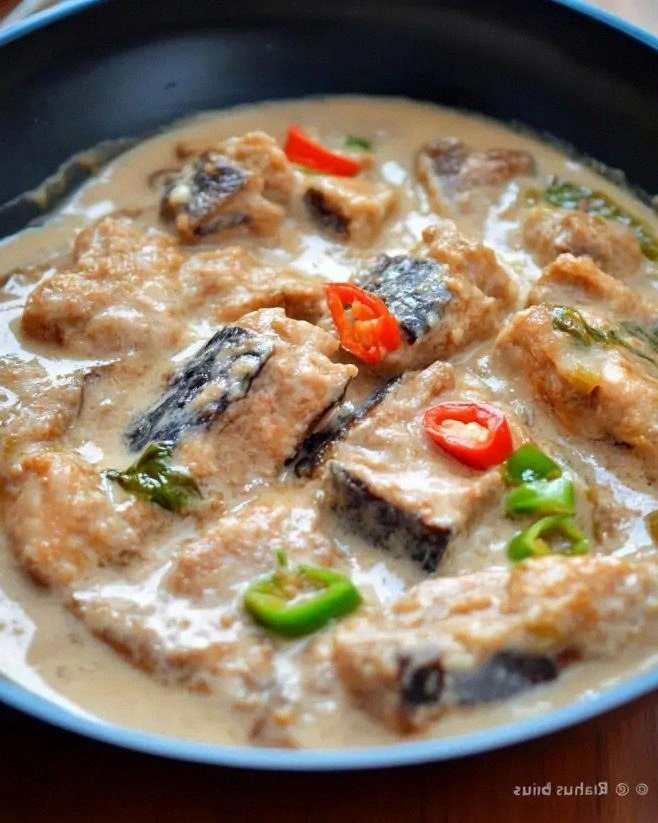
Picture this: the kitchen humming with the sizzle of hot oil, the air thick with the earthy perfume of garlic and ginger, and a swirl of green chilies daring you to take a bite. The milkfish, with its buttery flesh, absorbs the coconut milk like a sponge, turning the sauce into a silky, fiery blanket that clings to every curve. When the final garnish of fresh green onions drops in, it’s like a confetti shower at a celebration—bright, fresh, and impossible to ignore. I dared you to taste this and not go back for seconds, because honestly, I’ll be honest — I ate half the batch before anyone else got to try it.
What makes this version stand out isn’t just the ingredients; it’s the method, the timing, and a secret technique that most recipes completely miss. Most recipes get this completely wrong. They either overcook the milkfish, turning it into a rubbery slab, or they drown the delicate flavor in a sea of shrimp paste. I’ve cracked the code: a quick sear that locks in moisture, followed by a gentle simmer that lets the coconut milk and shrimp paste meld into a sauce that’s both creamy and punchy. This is hands down the best version you’ll ever make at home, and I’m about to prove it, step by step.
And now the fun part: I’m going to reveal a technique that sounds like culinary wizardry but is actually just a pinch of patience and a splash of intuition. Think of it as the secret handshake between the fish and the sauce—an exchange that transforms a simple dinner into a savory delight you’ll brag about for weeks. Okay, ready for the game-changer? Let me walk you through every single step — by the end, you’ll wonder how you ever made it any other way.
What Makes This Version Stand Out
- Taste: The marriage of rich coconut milk with the umami punch of shrimp paste creates a depth that rivals any restaurant dish, while the green chilies add a clean, lingering heat.
- Texture: A quick sear gives the milkfish a buttery crust that holds up against the sauce, preventing the dreaded mushy fish syndrome.
- Simplicity: Only nine core ingredients, all pantry staples, mean you can whip this up without a treasure hunt at the market.
- Uniqueness: Swapping pork for milkfish not only lightens the dish but also introduces a delicate oceanic flavor that’s rarely seen in traditional Bicol Express.
- Crowd Reaction: Expect gasps, compliments, and that inevitable “What’s the secret?” question—because this dish is a conversation starter.
- Ingredient Quality: Using a fresh, whole bangus ensures the flesh stays moist and the skin adds a subtle crunch when crisped.
- Cooking Method: The two-stage cooking—sear then simmer—locks in flavor and texture, a technique most shortcuts skip.
- Make‑Ahead Potential: The sauce actually improves after a few hours, making leftovers taste even better.
Inside the Ingredient List
The Flavor Base
The backbone of any good Bicol Express is its aromatics. Onion provides a sweet foundation, while garlic adds a sharp, aromatic punch that cuts through the richness of coconut milk. If you ever wonder why some versions taste flat, it’s usually because they skimp on these. Ginger brings a warm, peppery note that balances the heat of the chilies. Skipping ginger? Expect a one‑dimensional sauce that feels like a bland broth.
The Heat Crew
Green chili peppers are the star of the heat department. Their bright, fresh fire lifts the dish without overwhelming the delicate fish. If you prefer a milder profile, deseed them; for a daring kick, keep the seeds. The key is to slice them thinly so they distribute evenly, ensuring every bite has that subtle zing. Remember, the heat should dance, not dominate.
The Creamy Anchor
Coconut milk is the silky river that carries all flavors downstream. It tempers the shrimp paste’s saltiness and rounds out the chilies’ heat. Use a full‑fat coconut milk for that luxurious mouthfeel; low‑fat versions will leave the sauce watery and thin. If you’re feeling adventurous, add a splash of coconut cream at the end for an extra velvet finish.
The Umami Boost
Shrimp paste (bagoong) is the secret weapon that gives Bicol Express its signature depth. It’s salty, fermented, and packed with marine umami that elevates the sauce from good to unforgettable. If you can’t find traditional bagoong, a high‑quality fish sauce mixed with a pinch of miso works in a pinch, but you’ll miss some of the authentic complexity.
The Final Flourish
A splash of soy sauce adds a subtle caramel note, while a generous sprinkle of chopped green onions at the end injects fresh, herbaceous brightness. Salt and pepper are added to taste, but the shrimp paste already carries a hefty salt load, so season wisely. The vegetable oil is simply the medium for that golden sear—choose a neutral oil with a high smoke point to avoid unwanted flavors.
Everything's prepped? Good. Let's get into the real action...

The Method — Step by Step
- Prep the fish. Rinse the whole bangus under cold water, pat it dry, and make a few shallow diagonal cuts on each side—this helps the sauce penetrate. Season lightly with salt and pepper; remember, the shrimp paste will add plenty of salt later. Set the fish aside while you heat the pan. That sizzle when it hits the pan? Absolute perfection.
- Heat the oil and sear. In a large, heavy‑bottomed skillet, heat 1 tablespoon of vegetable oil over medium‑high heat. Once shimmering, lay the fish skin‑side down (if the skin is intact) and let it sear for 4‑5 minutes without moving it. You’ll see the edges start to turn golden and the fish will release easily from the pan. Kitchen Hack: If the fish sticks, add a splash of water; the steam will help release it without tearing.
- Sauté aromatics. Flip the fish gently, then push it to the side of the pan. Add a bit more oil if needed, then toss in the diced onion, minced garlic, and grated ginger. Cook, stirring constantly, until the onion becomes translucent and the garlic turns a light golden brown—about 3 minutes. The aroma should be intoxicating, like a tropical market in the early morning.
- Introduce the heat. Add the sliced green chilies, letting them sizzle for another minute. This is the moment where the sauce starts to whisper its promise of heat. If you’re cautious, you can remove the seeds now; otherwise, keep them for an extra punch. Watch Out: Overcooking the chilies can turn them bitter, so keep the heat moderate and watch closely.
- Blend the umami. Stir in the 2 tablespoons of shrimp paste, breaking it up with the back of a spoon. Let it caramelize slightly—this deepens the flavor and reduces any raw, fermented edge. Then pour in the 1 cup of coconut milk, stirring to combine everything into a harmonious sauce. The mixture should bubble gently; if it boils aggressively, lower the heat to avoid curdling.
- Season and simmer. Add the tablespoon of soy sauce, then taste. Adjust with a pinch of salt or pepper if needed, remembering the shrimp paste is already salty. Nestle the seared fish back into the sauce, spooning some liquid over the top. Cover and let it simmer on low for 15‑20 minutes, allowing the fish to absorb the sauce while staying tender.
- Check for doneness. The fish is ready when the flesh flakes easily with a fork and the sauce has thickened to a glossy, velvety consistency. If the sauce looks too thin, uncover and let it reduce for a few more minutes—watch for the edges pulling away from the pan, a sign it’s just right.
- Finish with freshness. Sprinkle a generous handful of chopped green onions over the top just before serving. Their bright color and mild bite cut through the richness, creating a balanced final bite. Serve the dish hot, straight from the pan, with steamed rice to soak up every last drop of that luscious sauce.
That’s it — you did it. But hold on, I’ve got a few more tricks that'll take this to another level. Trust me, you’ll want to try them before the plate is even empty.
Insider Tricks for Flawless Results
The Temperature Rule Nobody Follows
Most home cooks crank the heat up to “cook faster,” but with milkfish you want a gentle, controlled simmer. High heat will cause the coconut milk to separate, leaving you with a greasy mess. Keep the flame at a low to medium setting once the sauce is added, and you’ll get a silky texture that clings to the fish like a second skin. I once tried a “quick boil” and ended up with a curdled disaster—learn from my mistake.
Why Your Nose Knows Best
Your sense of smell is a more reliable indicator of doneness than a timer. When the sauce begins to emit a sweet, toasted aroma, that’s the cue to lower the heat. If you catch a faint burnt scent, you’ve gone too far. Trust that instinct; it will save you from a bitter bite and elevate the dish’s overall fragrance.
The 5‑Minute Rest That Changes Everything
After simmering, remove the pan from the heat and let the fish rest, covered, for five minutes. This short pause lets the flavors meld and the fish fibers relax, resulting in a more tender bite. Skipping this step is like serving a song before the chorus—you miss the full impact.
The Secret Splash of Lime
A tiny drizzle of fresh lime juice right before serving brightens the entire dish, cutting through the richness and highlighting the chilies. Just a teaspoon will do; you don’t want to overpower the subtle coconut notes. This trick is a favorite among Bicol chefs and adds a surprising pop that guests love.
Avoiding the “Fishy” Mistake
If you ever notice a lingering fishy odor, it’s usually because the fish wasn’t rinsed properly or was stored too long. Rinse the bangus thoroughly, pat dry, and use it within the day of purchase. A quick soak in milk for 10 minutes can also neutralize any off‑notes, leaving you with pure, clean flavor.
Creative Twists and Variations
This recipe is a playground. Here are some of my favorite ways to switch things up:
Spicy Coconut Curry Fusion
Swap the shrimp paste for a tablespoon of Thai red curry paste and add a handful of sliced bamboo shoots. The result is a fragrant, Thai‑inspired twist that still respects the Bicol roots while offering a new depth of flavor.
Vegetarian “Bangus”
Replace the milkfish with firm tofu cubes, marinated in a little soy sauce and lime. The tofu soaks up the coconut‑chili sauce beautifully, making a plant‑based version that even meat‑eaters will adore.
Smoky Bacon Boost
Crisp up a few strips of bacon, crumble them, and stir them into the sauce just before serving. The smoky crunch adds a surprising textural contrast that pairs wonderfully with the sweet coconut.
Herb‑Infused Finish
Stir in a tablespoon of fresh cilantro or basil at the end for an herbal lift. The fresh herbs brighten the dish, making it perfect for summer evenings on the patio.
Coconut‑Lime Shrimp Remix
Add peeled shrimp along with the fish during the simmer stage. The shrimp cooks quickly, absorbing the sauce while contributing a sweet briny bite that complements the milkfish perfectly.
Storing and Bringing It Back to Life
Fridge Storage
Allow the dish to cool to room temperature, then transfer it to an airtight container. It will keep fresh for up to 3 days. When reheating, add a splash of coconut milk or water to revive the sauce’s silkiness.
Freezer Friendly
Portion the cooled dish into freezer‑safe bags, removing as much air as possible. It freezes well for up to 2 months. Thaw overnight in the fridge, then reheat gently on the stove, again adding a tiny splash of water or coconut milk to restore the creamy texture.
Best Reheating Method
Reheat over low heat in a skillet, stirring occasionally. Avoid microwave‑only reheating, which can cause the coconut milk to separate. A gentle simmer will bring the sauce back to its original glossy sheen, and the fish will stay tender.