Love this? Pin it for later! 📌
New Year’s Day Traditional Corned Beef for a St. Patrick’s Early Feast
Every January 1st, the scent of pickling spice and slow-simmered brisket drifts through my kitchen like a promise: winter will be gentle, the year will be flavorful, and March will arrive with something worth celebrating early. I started this “hybrid” tradition ten years ago when a snowed-in New Year’s brunch ran head-first into a surplus of corned-beef briskets I’d optimistically ordered in October. We braised one low and slow, tucked it into a Dutch oven with onions the color of champagne confetti, and let time do what it does best—turn tough into spoon-tender while we played board games and watched the neighbors attempt to skate on the frozen pond. By the time we sliced the first shocking-pink slab, we’d already decided this would be our annual “St. Patrick’s appetizer on New Year’s Day.” The calendar might say winter, but the fork says spring, and the heart says why wait?
What makes this recipe special is that it honors both holidays without bending to either. It keeps the reverence of a New Year’s good-luck brisket—cabbage for prosperity, carrots for gold coins, potatoes for hearth and home—while layering in the malted, mustardy swagger of a March pub feast. You’ll finish with mahogany-edged slices that still hold their shape for sandwiches the next day, a broth so aromatic you’ll want to bottle it as cologne, and enough leftovers to freeze for the actual St. Patrick’s if you can resist. Whether you’re feeding a crowd of resolution-makers or simply craving a cozy pot of comfort that tastes like a parade, this early-bird corned beef is your once-a-year ticket to double the celebration.
Why This Recipe Works
- Low & Slow Immersion: A full 3½–4 hour simmer gently converts collagen to gelatin, yielding fork-tender slices that don’t shred unless you want them to.
- Double Spice Hit: We add the packet plus a toasted custom blend for layers of clove-coriper-forward complexity.
- Vegetable Timing: Root veg cook in the seasoned broth but are removed and glazed so they glisten instead of turning grey.
- Early-Celebration Vibes: You get the luck-of-the-Irish flavor in the heart of winter, and the leftovers morph into hash on January 2nd.
- One-Pot Elegance: Everything happens in a single Dutch oven; clean-up is practically a resolution you can keep.
- Make-Ahead Magic: Briney flavor improves after an overnight chill; slice cold, then reheat in broth for stress-free service.
Ingredients You’ll Need

Great corned beef starts at the butcher counter. Look for a flat-cut brisket in the 4–5 lb range; it’s rectangular, evenly thick, and slices like a dream. If you can only find point-cut (triangular with more intramuscular fat), that works—just trim the fat cap to ¼ inch so the brine penetrates. Most commercial briskets arrive pre-corned in a pouch of saline pink with a tiny spice packet. Keep the packet; we’ll fortify it.
Next up, pickling spice. Toasting whole allspice, coriander, mustard seed, and peppercorns for 90 seconds in a dry skillet blooms their oils and gives you a fragrance that screams “house-made.” If you’re short on time, a quality store-bought blend plus a crushed bay leaf and a pinch of red-pepper flakes will absolutely do.
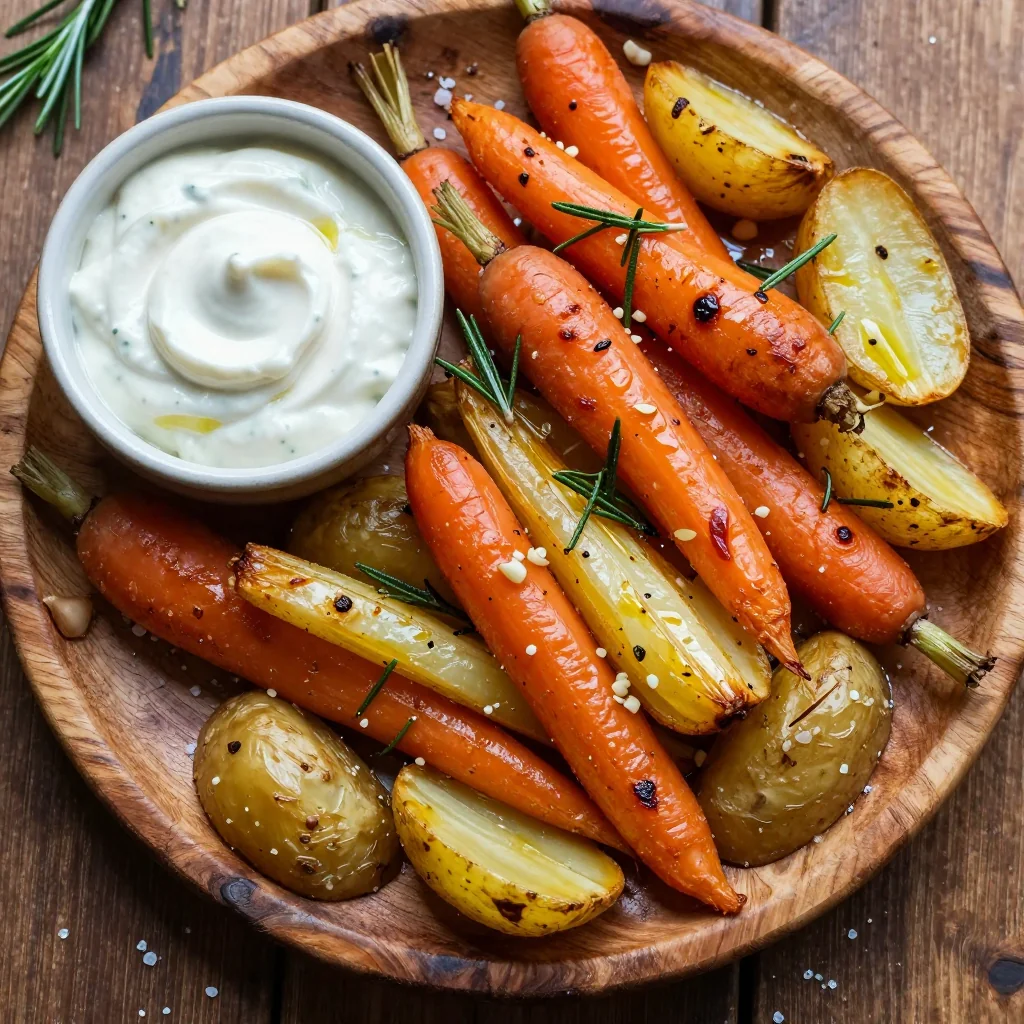
For the veg, choose small Yukon Gold potatoes (they hold together), thick carrots cut on the bias for visual drama, and a small head of green cabbage quartered through the core so the leaves stay attached. Parsnips are optional but add earthy sweetness; swap in turnips if you like a peppery bite.
Finally, dark stout (think Guinness) deepens the broth, but a malty brown ale or even non-alcoholic malt beverage works. If you avoid beer, substitute low-sodium beef stock plus 1 tablespoon molasses for color.
How to Make New Year’s Day Traditional Corned Beef for a St. Patrick’s Early Feast
Brisket Soak & Trim
Remove brisket from packaging; discard exterior brine if overly salty. Rinse under cool water, then submerge in a bowl of cold water for 30 minutes to temper saltiness. Pat dry; trim fat cap to ¼ inch. Score the fat in a 1-inch crosshatch, cutting just through the fat—this helps the spice paste cling.
Toast & Grind Pickling Spice
In a dry skillet, combine 1 tablespoon coriander seed, 1 teaspoon mustard seed, ½ teaspoon allspice berries, ½ teaspoon black peppercorns, 2 whole cloves, and 1 crushed bay leaf. Toast over medium heat, swirling, until fragrant, 1–2 minutes. Transfer to a spice mill or mortar; coarsely grind. Stir in the contents of the packet that came with your brisket plus 1 teaspoon brown sugar.
Sear for Flavor Foundation
Heat 1 tablespoon vegetable oil in a heavy 7–8 qt Dutch oven over medium-high. When shimmering, add brisket fat-side down; sear 3 minutes or until edges caramelize. Flip; sear second side 2 minutes. Remove to a plate. In rendered fat, sauté 1 large halved onion until brown bits dissolve, 4 minutes.
Deglaze with Stout
Pour in 12 oz stout; bring to a boil, scraping browned fond with a wooden spoon. Reduce liquid by half, about 4 minutes. This step concentrates malt sugars that will lacquer the brisket as it braises.
Build the Braising Broth
Return brisket plus any juices. Add 4 cups low-sodium beef stock, 2 cups water, 3 smashed garlic cloves, and 1 tablespoon apple-cider vinegar. Scatter half of your toasted spice blend. Liquid should reach ¾ up the side of the meat; add water if short. Bring just to a simmer; cover with parchment, then lid.
Low Oven Braise
Transfer to a 300 °F (150 °C) oven. Braise 2½ hours; flip brisket halfway. Total time depends on thickness—plan 45–55 minutes per pound. You’re aiming for 195 °F internal when probed; meat should yield little resistance.
Add Vegetables Strategically
After 2½ hours, nestle potatoes, carrots, and parsnips around brisket; cook 20 minutes. Add cabbage wedges on top; cook final 20–25 minutes until veg are knife-tender but not mush. Remove vegetables to a buttered platter; tent. (If you like glazed veg, brush with a little broth and run under broiler 3 minutes.)
Rest & Slice
Transfer brisket to a board; ladle ½ cup broth over to keep moist. Tent loosely with foil; rest 15 minutes. Slice across grain into ¼-inch pieces. Return slices to pot for 2 minutes to rewarm and soak up juices.
Make the Broth Optional Au Jus
Skim fat from surface (a fat separator works wonders). Simmer broth 5 minutes to reduce slightly; season with salt, cracked pepper, and a squirt of mustard. Serve in small bowls for dunking or drizzle over plated slices.
Expert Tips
Temp Trumps Time
Use an instant-read thermometer. Anything under 190 °F will read tough; above 205 °F shreds for hash (which is delicious, just different).
De-Salt Smart
If you taste the broth and it’s oceanic, drop in a peeled potato for 10 minutes; it absorbs excess salt. Discard potato.
Overnight Chill
Corned beef slices cleaner when cold. Cook ahead, refrigerate in broth, then warm slices in 275 °F oven with a splash of broth.
Reuse Broth
Strain and freeze in 2-cup portions. It’s liquid gold for lentils, bean soup, or braising greens.
Slice Against the Grain
Identify grain direction before cooking; the cross-hatch scoring helps you see it clearly after the long braise.
Save the Crust
For a bakery-style crust, paint brisket with mustard-brown-sugar glaze; broil 2 minutes before serving.
Variations to Try
- Smoky Stout Swap: Replace half the stout with Irish whiskey and add a smashed chipotle for gentle heat.
- Sweet & Sour Cabbage: Shred leftover cabbage; sauté with apple, cider vinegar, and a pinch of caraway.
- Root-Veg Mash: Puree cooked carrots & parsnips with butter and horseradish for a twist on colcannon.
- Gluten-Free: Substitute gluten-free beer or malt-free beef stock; thicken jus with cornstarch slurry.
- Instant-Pot Shortcut: High pressure 90 minutes with natural release; add veg on trivet afterward 4 minutes.
Storage Tips
Refrigerate: Cool slices in cooking broth; transfer to airtight container up to 4 days.
Freeze: Portion meat with a ladle of broth in freezer bags; lay flat to freeze up to 3 months. Thaw overnight in fridge.
Reheat: Warm gently in 275 °F oven with broth 15 minutes or microwave at 50 % power to avoid rubbery edges.
Leftover Love: Dice for hash, shred for tacos, layer into grilled cheese, or blitz a cup with broth for quick corned-beef soup.
Frequently Asked Questions

New Year’s Day Traditional Corned Beef for a St. Patrick’s Early Feast
Ingredients
Instructions
- Prep Brisket: Rinse brisket; soak 30 minutes in cold water. Trim fat to ¼ inch; score crosshatch.
- Toast Spices: In dry skillet toast coriander, mustard, allspice, peppercorns, cloves, and bay 1–2 minutes; coarsely grind. Combine with spice packet and brown sugar.
- Sear: Heat oil in Dutch oven. Sear brisket 3 minutes per side; remove. Sauté onion in drippings 4 minutes.
- Deglaze: Add stout; boil 4 minutes, scraping fond.
- Braise: Return brisket, add stock, water, garlic, vinegar, and half spice blend. Simmer; cover. Braise 300 °F oven 2½ hours.
- Add Veg: Add potatoes & carrots; cook 20 minutes. Add cabbage; cook 20–25 minutes more.
- Rest & Slice: Rest brisket 15 minutes; slice across grain. Serve with vegetables and broth.
Recipe Notes
Brisket slices cleaner when cold. Make ahead, refrigerate in broth, and reheat gently for best texture.