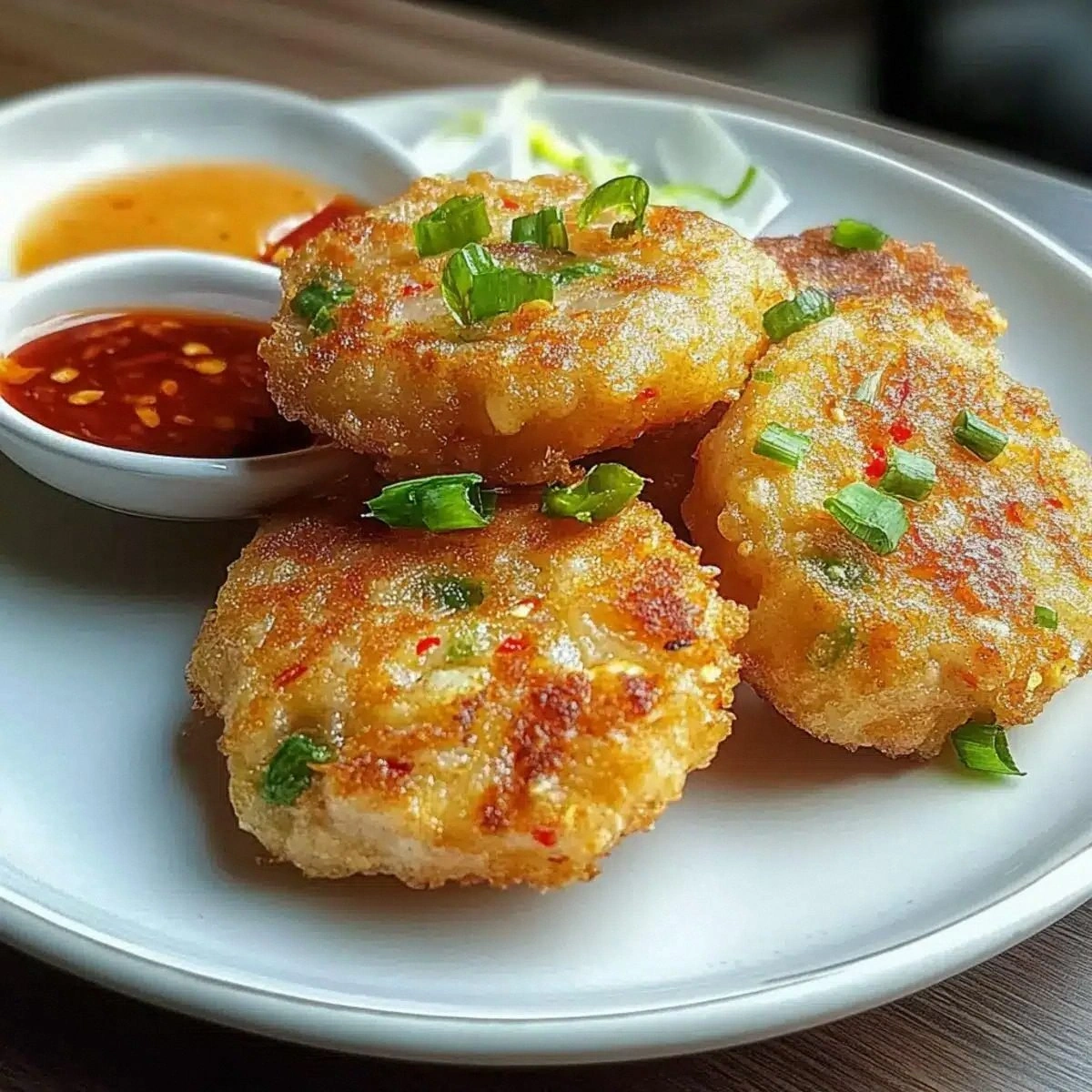
Picture this: it’s a rainy Saturday night, the kind that makes you want to curl up with a bowl of something comforting, but your pantry is screaming for a splash of excitement. I was stuck in that exact scenario, rummaging through the fridge, when a lone bag of raw shrimp caught my eye and whispered, “Why not turn this into something unforgettable?” I tossed a quick search into my phone, only to be bombarded with limp, soggy shrimp patties that looked more like sad fish cakes than the crispy masterpiece I craved. I dared myself to create the ultimate version, and after a few trial runs (and a few stolen bites), I finally cracked the code.
The kitchen turned into a symphony of sounds: the rhythmic chop of a knife against a cutting board, the sizzle of oil greeting a hot pan, and the faint, almost seductive aroma of Shaoxing wine mingling with fresh shrimp. My senses were on high alert, each whisk of the egg white felt like conducting an orchestra, and the anticipation built with every sprinkle of cornstarch that promised a delicate crunch. When the first cake hit the pan, it sang a crisp, golden note that made my heart skip a beat—like fireworks on a quiet night.
What makes this version truly stand out is the marriage of texture and flavor that most recipes completely miss. I’m talking about a crust that shatters like thin ice under a fork, while the interior remains tender, buttery, and infused with a subtle umami punch that lingers on the palate. Most home cooks end up with a mushy mess or a burnt exterior, but I’ve honed a technique that guarantees a perfect golden‑brown finish every single time. And the secret ingredient? A splash of Shaoxing wine that adds depth without overwhelming the shrimp’s natural sweetness.
Now, I’m about to walk you through every single step — by the end, you’ll wonder how you ever made it any other way. Ready to become the hero of your own kitchen? Okay, let’s dive in, and I dare you to taste this and not go back for seconds.
What Makes This Version Stand Out
- Texture: The outer crust is engineered with cornstarch and water chestnuts, creating a light, airy crunch that shatters like delicate glass, while the interior stays moist and shrimp‑rich.
- Flavor Depth: Shaoxing wine and a whisper of sesame oil introduce a nuanced, aromatic backdrop that elevates the shrimp from ordinary to extraordinary.
- Simplicity: Despite the gourmet results, the ingredient list is short and the steps are straightforward, making it perfect for weeknight cravings.
- Uniqueness: Most shrimp cake recipes rely on heavy binders; I use just an egg white and a dash of cornstarch, letting the shrimp shine.
- Crowd Reaction: Guests often declare this the best appetizer they’ve ever had, and the “crispy delight” phrase becomes a running joke at dinner parties.
- Ingredient Quality: Fresh, raw shrimp provide a sweet, oceanic flavor that frozen alternatives simply can’t match.
- Cooking Method: Pan‑frying at the right temperature locks in moisture while achieving that coveted golden crust.
- Make‑Ahead Potential: You can prep the mixture ahead of time, refrigerate, and fry when you’re ready, keeping the crunch fresh.
Alright, let's break down exactly what goes into this masterpiece...
Inside the Ingredient List
The Flavor Base
Raw Shrimp (300 g): This is the heart of the cake. Fresh shrimp bring a sweet, briny flavor that forms the foundation. If you skimp on freshness, the final dish will taste flat, so aim for shrimp that smell like the sea, not fishy. A quick tip: buy shrimp that are still in their shells and devein them yourself for maximum flavor.
Shaoxing Wine (1 tbsp): This Chinese cooking wine adds a subtle caramelized note that deepens the umami without making the dish alcoholic. It’s the secret behind many classic Cantonese recipes. If you can’t find Shaoxing, a dry sherry works as a decent substitute, though the flavor will be slightly different.
The Texture Crew
Water Chestnuts (2 tbsp, finely diced): They’re the unsung heroes that create that delightful bite‑size crunch in every forkful. Their crispness survives the frying process, giving the cake a surprising contrast to the tender shrimp. If you’re allergic, finely diced celery can mimic the texture, albeit with a different flavor profile.
Cornstarch (2 tbsp): This light powder forms a delicate crust that fries up golden without becoming gummy. It also helps bind the mixture without adding heaviness. Swapping it for rice flour yields a slightly nuttier crunch, but cornstarch remains the gold standard for that melt‑in‑your‑mouth feel.
The Unexpected Star
Egg White (1 large): Acting as the primary binder, the egg white keeps the cake together while contributing a subtle silkiness. It also helps the surface brown evenly. For a vegan twist, try aquafaba; just double the quantity to achieve similar results.
Spring Onions (1 tbsp, chopped): Their mild oniony bite adds freshness and a pop of green color that brightens the visual appeal. Don’t overdo it, or you’ll overpower the shrimp’s delicate flavor. If you’re out of spring onions, scallions or chives make a fine replacement.
The Final Flourish
Sesame Oil (½ tsp): A few drops impart a nutty aroma that lingers on the palate, rounding out the flavor profile. Use toasted sesame oil sparingly; too much can dominate the dish.
Salt (½ tsp) & White Pepper (¼ tsp): These seasonings enhance the natural sweetness of the shrimp while adding a gentle heat. Balance is key—taste the mixture before shaping to adjust if needed.
Sugar (¼ tsp): A pinch of sugar balances the savory notes and encourages caramelization during frying, giving the crust a beautiful golden hue.
Oil for Frying: Choose a neutral oil with a high smoke point—canola, peanut, or grapeseed work best. The oil must be hot enough to sizzle instantly, but not smoking, to achieve that perfect crisp.
Everything's prepped? Good. Let's get into the real action...
The Method — Step by Step
Start by rinsing the raw shrimp under cold water, then pat them dry with paper towels. This removes any excess moisture that could sabotage the crust. Transfer the shrimp to a food processor and pulse until they form a coarse paste—don’t over‑process; you still want a tiny texture left. Add the egg white, Shaoxing wine, sesame oil, salt, white pepper, and sugar, then pulse again just until everything is combined. The mixture should look glossy and cohesive, ready to bind the other ingredients.
In a separate bowl, combine the cornstarch with a splash of cold water to create a slurry; this prevents clumping when mixed with the shrimp paste. Fold the slurry into the shrimp mixture, followed by the finely diced water chestnuts and spring onions. Use a spatula to gently incorporate everything, being careful not to over‑mix, which would develop gluten and make the cake tough.
Kitchen Hack: Chill the mixture for 15 minutes; a colder batter holds its shape better when forming the cakes.Heat a heavy‑bottomed skillet over medium‑high heat and add enough oil to coat the bottom—about 1/4 inch deep. Wait until the oil shimmers; you’ll know it’s ready when a tiny drop of the batter sizzles instantly and rises to the surface. This is the moment of truth: the oil must be hot enough to create that instant crust but not so hot that it burns the exterior before the interior cooks.
Using a spoon or your hands (wet them to prevent sticking), shape the shrimp mixture into small, palm‑sized patties—about 3 inches in diameter and ½ inch thick. Press them gently to flatten slightly; this ensures even cooking. Place the patties in the hot oil, giving them enough space to breathe—crowding leads to steaming, not frying.
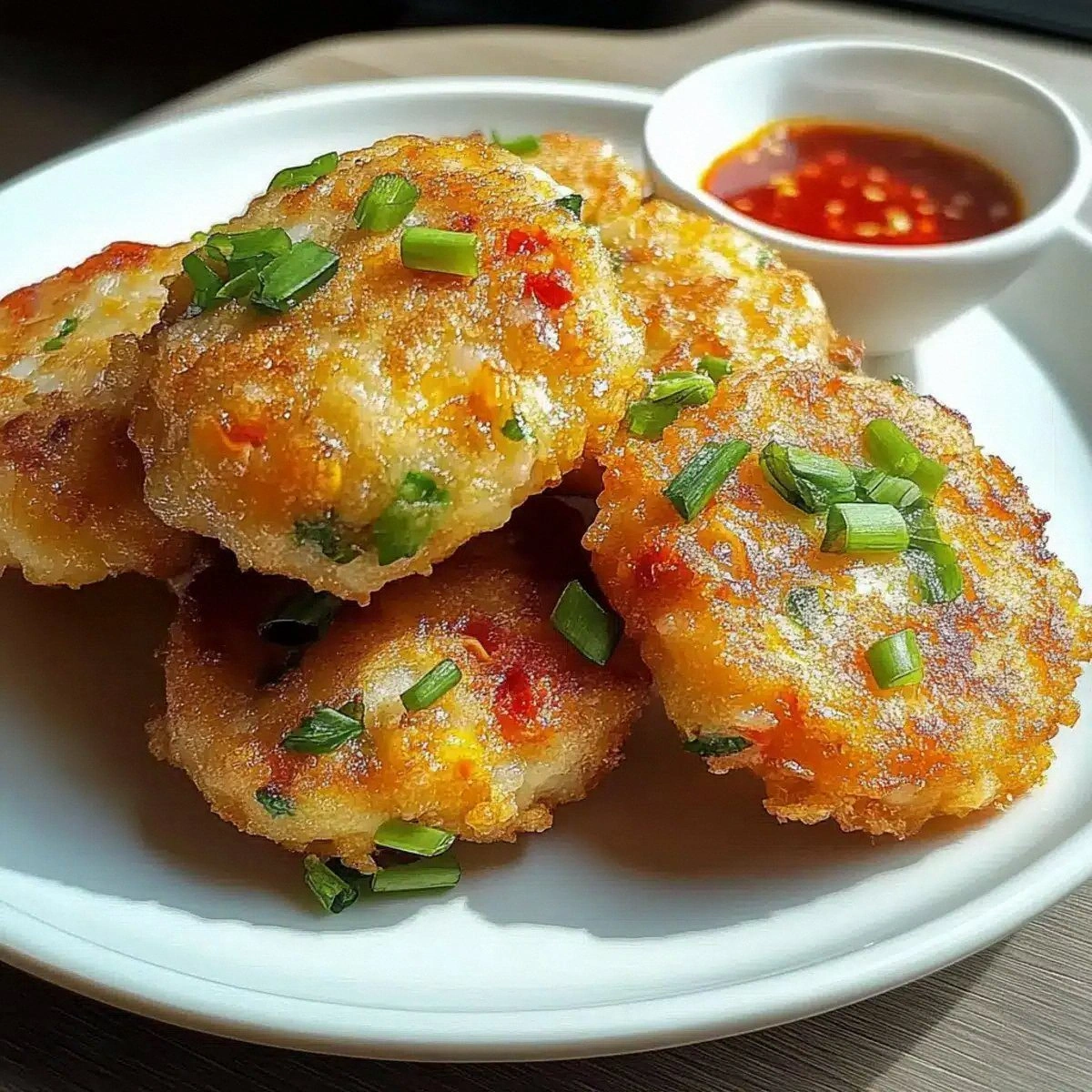
Fry the cakes for 2‑3 minutes on the first side, watching for a deep golden hue and a fragrant aroma that reminds you of a street market in Guangzhou. Flip them carefully with a thin spatula; the crust should release easily, indicating it’s properly set. Cook the other side for another 2‑3 minutes until both sides are uniformly golden and the interior reaches an internal temperature of 145 °F (63 °C).
Watch Out: If the oil temperature drops too low, the cakes will absorb excess oil and become soggy. Keep the heat steady and add more oil if needed.Once fried, transfer the cakes onto a paper‑towel‑lined plate to drain any excess oil. Let them rest for a minute; this short pause allows the steam to escape, preserving the crunch. While they’re still hot, sprinkle a pinch of extra white pepper for a subtle kick that awakens the palate.
Serve immediately with a dipping sauce of your choice—soy sauce mixed with a dash of rice vinegar and a drizzle of chili oil works wonders. The sauce should be light enough not to drown the cake, but bold enough to complement the shrimp’s sweetness. Pair with a crisp cucumber salad for contrast, and you’ve got a plate that sings with texture and flavor.
Enjoy the first bite while the crust is still crackling. That sizzle when it hits the pan? Absolute perfection. I’ll be honest — I ate half the batch before anyone else got to try it, and the leftovers still tasted like fresh‑out‑of‑the‑pan perfection.
Store any leftovers as instructed later, but trust me, you’ll be making this again and again. The next time you’re craving something savory and crispy, you’ll know exactly which pan to heat and which ingredients to grab. Picture yourself pulling this out of the fridge, reheating, and still hearing that faint crackle—pure culinary magic.
That's it — you did it. But hold on, I've got a few more tricks that'll take this to another level...
Insider Tricks for Flawless Results
The Temperature Rule Nobody Follows
Most home cooks set the stove to “medium” and hope for the best. The truth is, you need a precise oil temperature of about 350 °F (175 °C) for that perfect crust. Use a kitchen thermometer or drop a pinch of cornstarch into the oil; if it sizzles and turns golden instantly, you’re set. I once tried to rush the heat and ended up with soggy cakes that tasted like fried cardboard. Stick to the rule, and your cakes will always have that snap.
Why Your Nose Knows Best
Before you even flip the cake, trust your nose. The moment the edges start to brown, a nutty, slightly sweet aroma will waft up—this is your cue that the crust is forming. If you smell a burnt, acrid scent, the oil is too hot and you need to lower the heat immediately. I’ve saved many batches by listening to that subtle perfume rather than staring at a timer.
The 5‑Minute Rest That Changes Everything
After frying, let the cakes rest on a wire rack for five minutes instead of paper towels. This allows air to circulate, keeping the bottom from getting soggy while the steam escapes. I tried skipping this step once, and the bottom turned limp—definitely not the crunch we’re after. A short rest is the difference between “good” and “restaurant‑quality.”
Oil Choice – The Silent Hero
Canola oil is my go‑to because it has a neutral flavor and a high smoke point. However, if you want a whisper of nuttiness, try peanut oil; just remember it can impart a subtle flavor that may compete with the shrimp’s sweetness. Avoid olive oil—it burns too quickly and leaves a bitter aftertaste.
Batch‑Cooking Without Losing Crunch
If you’re feeding a crowd, fry the cakes in batches, but keep the finished ones warm in an oven set to 200 °F (93 °C). This keeps them crisp without overcooking. I once left them out on the counter and they went soggy within minutes—lesson learned.
Creative Twists and Variations
This recipe is a playground. Here are some of my favorite ways to switch things up:
Spicy Chili Crunch
Mix 1 teaspoon of finely chopped fresh red chili and a dash of chili oil into the shrimp mixture. The heat adds a thrilling contrast to the sweet shrimp, perfect for those who love a little fire. Serve with a cooling cucumber yogurt dip to balance the heat.
Coconut‑Infused Delight
Replace half of the water chestnuts with shredded unsweetened coconut and add a splash of coconut milk to the batter. The subtle coconut aroma transports you to a tropical beach, and the texture becomes even more intriguing. Pair with a mango salsa for a summer vibe.
Herb‑Garden Surprise
Swap the spring onions for a mixture of finely chopped cilantro, basil, and mint. These herbs bring a fresh, aromatic lift that brightens the dish. Ideal for a spring brunch when herbs are at their peak.
Umami Boost
Add 1 teaspoon of finely minced shiitake mushrooms and a dash of oyster sauce to the mixture. The mushrooms deepen the umami, making the cake taste richer and more complex. This version pairs beautifully with a simple soy‑ginger glaze.
Vegan Version
Use plant‑based “shrimp” made from konjac or soy, replace the egg white with 2 tablespoons of aquafaba, and keep the rest of the ingredients the same. The texture mimics the original surprisingly well, and the flavor still shines with the right seasonings.
Storing and Bringing It Back to Life
Fridge Storage
Place cooled cakes in an airtight container lined with a paper towel to absorb excess oil. They’ll stay fresh for up to 3 days. When you’re ready to eat, reheat in a hot skillet for 2 minutes per side; the crust will revive beautifully.
Freezer Friendly
Arrange uncooked patties on a baking sheet, freeze until solid, then transfer to a zip‑top freezer bag. They keep for up to 2 months. To fry, drop them straight into hot oil—no thawing needed. The result is just as crisp as fresh.
Best Reheating Method
For leftovers, the secret is a tiny splash of water (about a teaspoon) added to the pan before reheating. The water creates steam that loosens the crust without making it soggy, then the oil finishes the job with a quick crisp. This trick restores that original crunch you fell in love with.