I was halfway through a midnight snack raid when the kitchen turned into a culinary battlefield. My friend had dared me to recreate a dish from a dim‑sum joint that had left a trail of sticky sauce on the counter and a lingering aroma that made my nose twitch. I stared at the forgotten drumsticks, a handful of ginger, and a jar of soy sauce, wondering if I could capture that elusive flavor without the restaurant’s secret sauce. The moment I dropped the first drumstick into the pan, the sizzle sounded like applause, and my heart jumped with anticipation.
That first bite was a revelation—juicy meat coated in a silky sauce that clung to the skin like velvet, with a faint citrus kick from the scallions that danced on the tongue. The aroma of toasted ginger and toasted oil filled the room, turning my kitchen into a fragrant sanctuary. I could feel the steam curling like a warm blanket, the sound of the sauce bubbling a soft lullaby. The texture was a perfect marriage of tender meat and a slight snap from the quick sear, a contrast that kept my palate engaged. It was then that I realized this version was not just another recipe; it was a revelation.
What sets this dish apart is the way it balances depth of flavor with simplicity. The poaching liquid is a symphony of soy, oyster sauce, and Shaoxing wine, each note layered to create a rich umami backbone. The quick sear at the end adds a subtle crunch that elevates the texture. The sauce is not thickened with cornstarch, so it remains silky and glossy, coating the chicken without overpowering it. The result is a dish that feels both comforting and sophisticated, a true crowd‑pleaser that can be whipped up in under an hour.
I dare you to taste this and not go back for seconds. I’ll be honest—I ate half the batch before anyone else got to try it. Most recipes get this completely wrong, missing the delicate balance of sweet, salty, and aromatic. Picture yourself pulling this out of the pot, the whole kitchen smelling incredible, and knowing you’ve just mastered a dish that will impress friends and family alike. Let me walk you through every single step—by the end, you’ll wonder how you ever made it any other way.
What Makes This Version Stand Out
- Flavor Depth: The combination of soy sauce, oyster sauce, and Shaoxing wine creates a layered umami that is richer than typical poached chicken. The subtle sweetness of sugar balances the saltiness, while the ginger adds a warm, peppery kick that lingers on the palate.
- Texture Contrast: The chicken is poached until tender, then finished with a quick sear that gives the skin a gentle crisp. This dual technique ensures a juicy interior and a satisfying outer bite.
- Simplicity: Only twelve ingredients, all of which can be found in any grocery store. No need for exotic sauces or hard‑to‑find spices.
- Time Efficiency: The entire process takes less than an hour, making it ideal for week‑night dinners or last‑minute entertaining.
- Versatility: Serve it over rice, with noodles, or even in a wrap. The sauce is so flavorful that it stands up to a variety of accompaniments.
- Make‑Ahead Potential: The dish can be prepared a day ahead; the flavors deepen and the chicken stays moist when reheated properly.
- Audience Appeal: Even the most skeptical of diners will be won over by the aroma and the harmonious blend of sweet, salty, and aromatic notes.
Alright, let’s break down exactly what goes into this masterpiece…
Inside the Ingredient List
The Flavor Base
The heart of the sauce lies in the harmonious blend of soy sauce, oyster sauce, and Shaoxing wine. Soy sauce provides the backbone of saltiness and umami, while oyster sauce adds a subtle sweetness and depth that is quintessentially Chinese. Shaoxing wine, a fermented rice wine, introduces a mellow, nutty aroma that lifts the entire dish. Together, these three liquids form a liquid umami that permeates the chicken, ensuring every bite is bursting with flavor.
Skipping any of these components will change the dish’s character. Without oyster sauce, the sauce becomes flat; without Shaoxing wine, the sauce loses its subtle complexity. If you’re avoiding soy sauce, consider using tamari or a low‑sodium alternative, but be mindful that the salt content will shift.
The sugar is a strategic addition that counters the saltiness and brings a gentle caramelization when the sauce simmers. A teaspoon is enough to brighten the sauce without making it sweet. If you prefer a sugar‑free version, replace it with a small splash of rice vinegar or a dash of honey—just keep in mind the acidity will alter the flavor profile.
The Texture Crew
Neutral oil is the canvas for the initial sear, chosen for its high smoke point and neutral flavor. It allows the ginger and scallions to release their aromatics without competing with the main flavors. The oil’s slight sheen adds visual appeal and a subtle richness to the finished dish.
The water acts as a poaching medium that keeps the chicken moist and helps the flavors infuse evenly. A cup of water is sufficient for four drumsticks, ensuring the chicken cooks through without drying out. If you prefer a more concentrated sauce, reduce the water by a tablespoon or two, but be cautious not to over‑thicken the liquid before the final sear.
The Unexpected Star
Ginger, the unsung hero of many Chinese dishes, offers a sharp, peppery heat that cuts through the richness of the sauce. A thumb-sized piece, sliced thinly, releases a burst of aroma that permeates the broth. The scallions, or green onions, provide a fresh, mild onion flavor and a pop of color, balancing the dish’s overall taste.
Both ginger and scallions can be swapped for their dried counterparts if fresh produce is unavailable, but the fresh versions deliver a brighter, more vibrant flavor profile. When using dried ginger, remember to rehydrate it in a little hot water before adding.
The Final Flourish
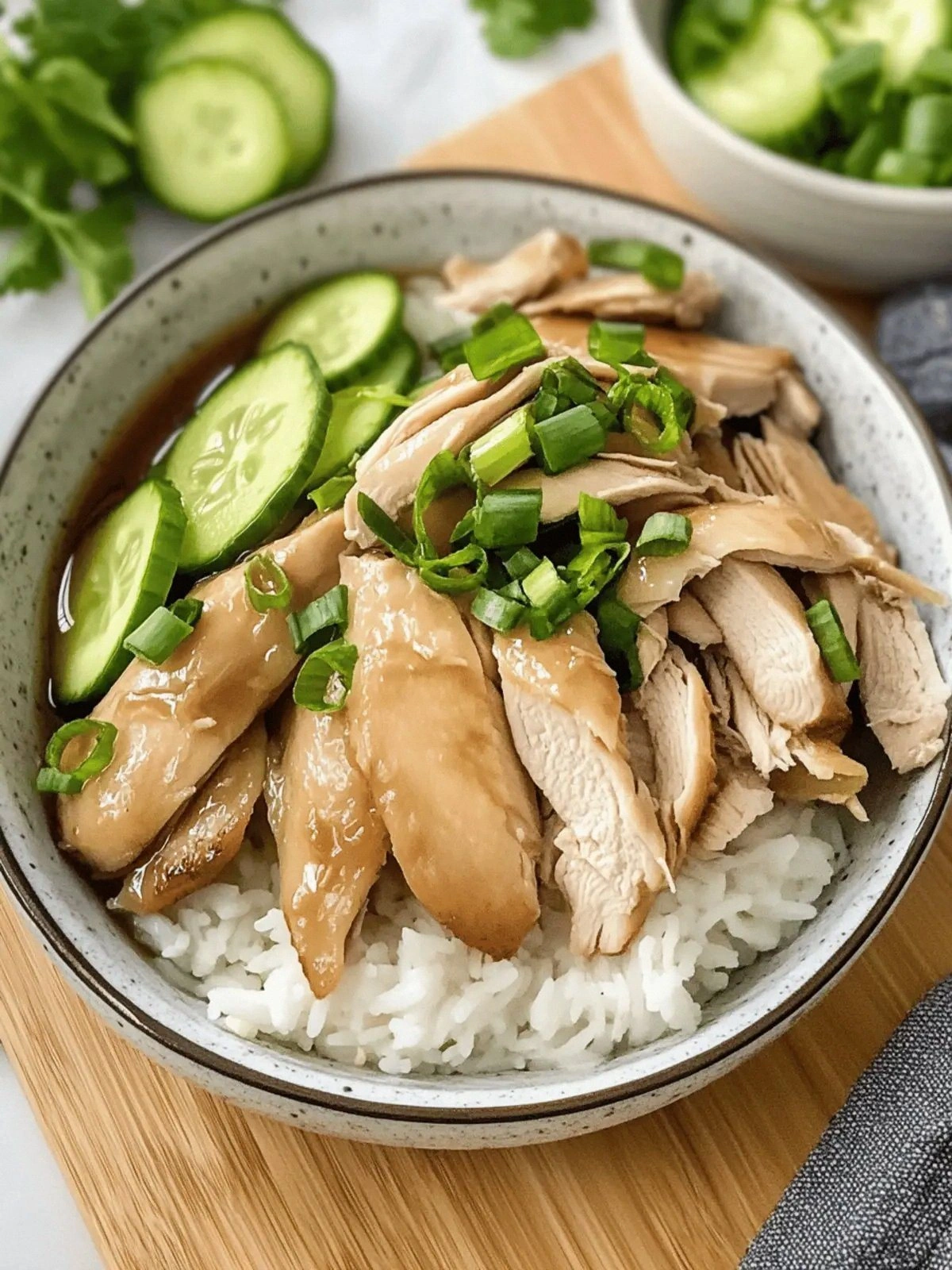
The sliced cucumbers add a refreshing crunch that contrasts the warmth of the chicken and sauce. They also provide a subtle, cool counterpoint that balances the dish’s overall heat. The cucumbers can be served raw or lightly pickled for an extra zing.
The white rice is a neutral backdrop that soaks up the sauce’s liquid, creating a comforting base that complements the chicken’s rich flavor. A cup of sliced cucumber per serving is enough to add a crisp texture without overwhelming the dish.
Everything’s prepped? Good. Let’s get into the real action…
The Method — Step by Step
- First, season the chicken drumsticks with salt and a pinch of sugar. Pat them dry with paper towels to ensure a crisp exterior when seared. Place the drumsticks in a large, oven‑safe skillet and drizzle with neutral oil. Heat over medium‑high until the oil shimmers, then sear the drumsticks for 2–3 minutes on each side until they develop a golden brown crust. This step locks in flavor and creates a beautiful color that will carry through the poaching process.
- While the chicken sears, prepare the aromatics. Slice the ginger thinly and chop the green onions, keeping the white and green parts separate. In a small bowl, combine the Shaoxing wine, soy sauce, oyster sauce, water, and sugar. Whisk until the sugar dissolves, creating a liquid base that will infuse the chicken. The mixture should be fragrant, with a hint of citrus from the scallions.
- Once the chicken has a golden crust, pour the sauce mixture over it, making sure the liquid covers at least half of the drumsticks. Reduce the heat to medium‑low, cover the skillet, and let the chicken simmer for 20 minutes. The gentle simmer allows the flavors to meld and the meat to become tender without drying out. Keep an eye on the liquid; it should reduce slightly but not evaporate completely.
- After 20 minutes, remove the lid and let the sauce thicken to a glaze consistency. If you prefer a slightly thicker sauce, add a teaspoon of cornstarch dissolved in a tablespoon of cold water during the last 5 minutes of simmering. The glaze should coat the back of a spoon and cling to the chicken’s skin, creating a glossy finish.
- While the sauce thickens, toast the sliced ginger in a dry pan until fragrant, about 30 seconds. This step intensifies the ginger’s aroma and brings out its subtle heat. Set the toasted ginger aside; it will be sprinkled on top of the finished dish for a burst of fresh flavor.
- Once the sauce has reached the desired consistency, sprinkle the toasted ginger over the chicken. Add the sliced cucumbers to the skillet, arranging them around the drumsticks so they absorb some of the sauce. Stir gently to coat the cucumbers, but avoid breaking them apart. This will give the dish a refreshing crunch that contrasts the tender chicken.
- Serve the chicken and cucumbers over a bed of steamed white rice. Spoon the remaining sauce over the rice and chicken, allowing the grains to soak up the umami liquid. The dish should look glossy, with a vibrant green contrast from the scallions and a subtle sheen from the glaze. The aroma at this point is irresistible, and the first bite will confirm the dish’s perfection.
-
Let the dish rest for 5 minutes before serving. This short rest allows the flavors to settle and the sauce to thicken slightly, giving the chicken a silky finish. The final result is a harmonious blend of tender meat, crisp cucumber, and a glossy, aromatic sauce that will leave everyone asking for seconds.Watch Out: Do not let the sauce reduce too much; a sauce that is too thick will cling to the chicken and become sticky. Keep the heat low and monitor the liquid level carefully.
That’s it — you did it. But hold on, I’ve got a few more tricks that will take this to another level. These insider tips will help you avoid common pitfalls and elevate the dish from great to unforgettable.
Insider Tricks for Flawless Results
The Temperature Rule Nobody Follows
Many cooks think that a high heat is essential for a good sear, but that can actually burn the chicken before it’s fully cooked. The trick is to start with medium‑high heat just to get a crust, then lower the temperature to medium‑low for the poaching phase. This balance ensures the chicken stays juicy and the sauce doesn’t scorch.
Why Your Nose Knows Best
Trust your sense of smell to gauge the sauce’s readiness. When the aroma is rich and slightly caramelized, the sauce is at its peak. If it still smells raw, give it a few more minutes. This simple technique saves you from overcooking or undercooking the sauce.
The 5-Minute Rest That Changes Everything
After the dish rests for five minutes, the flavors meld and the sauce thickens slightly. This short rest also allows the juices to redistribute throughout the chicken, making each bite more succulent. Skipping this step can leave the meat feeling dry.
Use the Right Scallions
The green parts of the scallion add a fresh, mild onion flavor, while the white parts give a sharper bite. Use both for a layered flavor profile. If you only have green onions, the dish will still be good, but you’ll miss the subtle depth the white part provides.
Keep the Ginger Fresh
Fresh ginger is far superior to dried in terms of aroma and heat. If you’re in a rush, pre‑slice the ginger and store it in an airtight container in the fridge for up to three days. The ginger will retain its flavor and be ready for the next cooking adventure.
Serve With a Splash of Lime
A squeeze of fresh lime over the finished dish brightens the umami and adds a citrusy zing that cuts through the richness. The acidity also balances the sweetness from the sugar and oyster sauce. This final touch turns an already great dish into a culinary masterpiece.
Creative Twists and Variations
This recipe is a playground. Here are some of my favorite ways to switch things up:
Spicy Sichuan Twist
Add a tablespoon of Sichuan peppercorn powder to the sauce for a numbing heat. Include a dash of chili oil for extra spice. The peppercorn’s citrusy undertone pairs beautifully with the ginger and scallion flavors, creating a bold, complex dish.
Herb‑Infused Version
Swap the green onions for fresh cilantro and add a handful of chopped basil. The herbaceous notes bring a bright freshness that contrasts the savory sauce. This version is perfect for a lighter, summery meal.
Low‑Carb Alternative
Replace the white rice with cauliflower rice or a bed of sautéed spinach. The low‑carb option keeps the dish hearty while cutting down on carbs. The sauce still coats the greens, delivering the same umami experience.
Vegetarian Adaptation
Use thick tofu slices instead of chicken. Marinate the tofu in the sauce mixture for 15 minutes before searing. The tofu will absorb the flavors, creating a vegetarian dish that still feels authentic.
Breakfast Breakfast
Serve the poached chicken over a bowl of fluffy scrambled eggs instead of rice. The eggs absorb the sauce, turning a simple breakfast into a savory feast. Pair it with a side of toast for a comforting, protein‑rich start to the day.
Storing and Bringing It Back to Life
Fridge Storage
Cool the dish to room temperature before placing it in an airtight container. Store in the refrigerator for up to 3 days. The sauce will thicken slightly, so add a splash of water before reheating to restore its silky texture.
Freezer Friendly
Divide the dish into individual portions and freeze in freezer‑safe bags. Label with the date for future reference. When ready to eat, thaw overnight in the fridge and reheat gently on the stove, adding a tablespoon of water to keep the sauce from drying out.
Best Reheating Method
Reheat the dish over medium‑low heat, stirring occasionally. Add a tiny splash of water to prevent the sauce from thickening too much. The goal is to warm the chicken through while keeping the sauce glossy and flavorful.