Love this? Pin it for later! 📌
There are recipes you make on a random Tuesday, and then there are recipes you save for the moments that matter most. This Showstopper Beef Tenderloin with Horseradish Sauce falls firmly into the second category. I first served it on Christmas Eve five years ago, when my entire extended family gathered at our farmhouse in Vermont. The snow was falling in thick, lazy flakes, the fire was crackling, and I remember watching my usually stoic father close his eyes after his first bite and simply say, "Wow." That moment sealed this recipe's fate as our family's celebration centerpiece.
What makes this beef tenderloin truly special isn't just its restaurant-quality presentation (though it will absolutely make your guests think you've secretly been studying at Le Cordon Bleu). It's the way the herb-crusted exterior forms a savory crust while the inside stays butter-tender and blushing pink. Paired with a horseradish cream sauce that strikes the perfect balance between bold and refined, this dish transforms any dinner into an occasion worth remembering. Whether you're planning a holiday feast, celebrating an anniversary, or simply want to show someone how much they matter, this recipe delivers pure magic on a platter.
Why This Recipe Works
- Reverse-sear method: Ensures edge-to-edge perfect doneness with a gorgeous crust
- Horseradish cream sauce: Made fresh, it cuts through the richness with bright, peppery notes
- Herb-crusted exterior: A blend of fresh rosemary, thyme, and garlic creates an aromatic crust
- Make-ahead friendly: Most prep can be done the day before serving
- Impressive presentation: Looks like it came from a five-star restaurant
- Minimal active time: The oven does most of the work while you enjoy your guests
Ingredients You'll Need
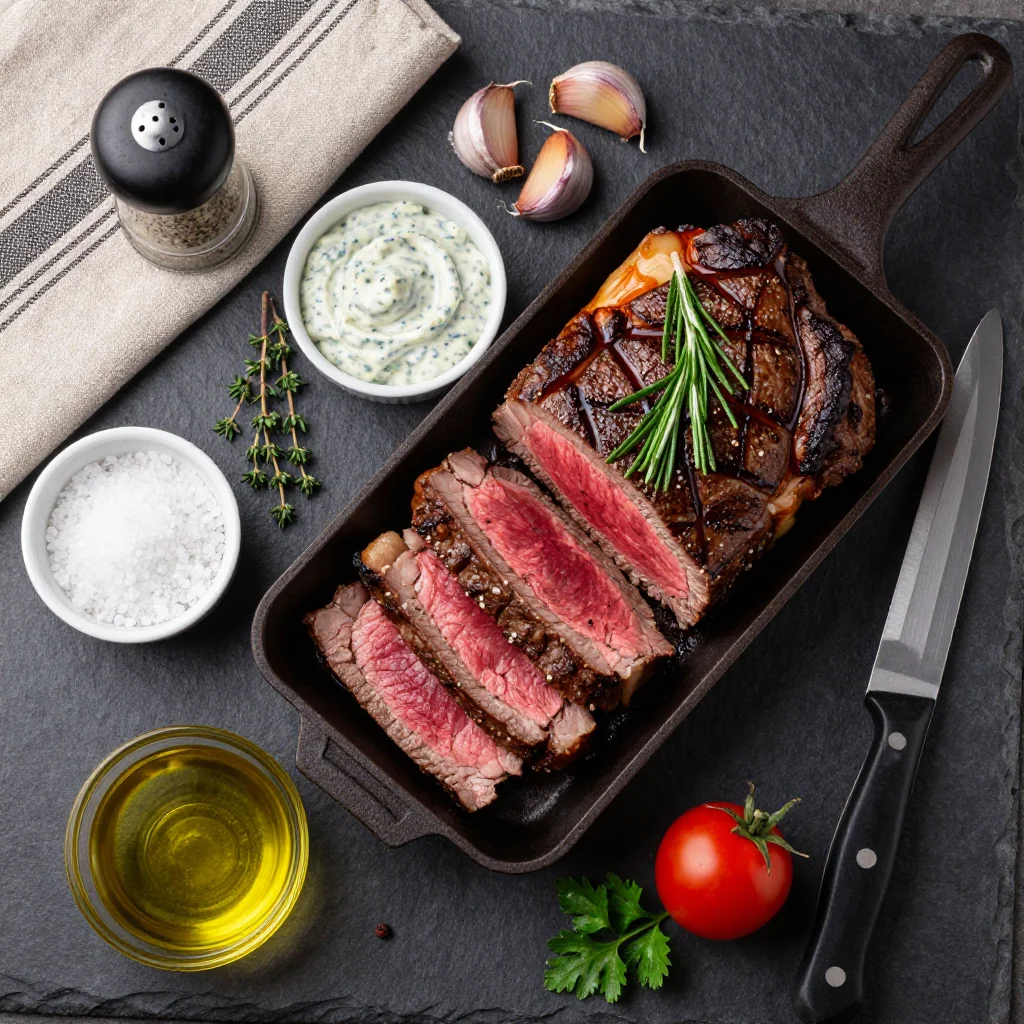
The secret to an unforgettable beef tenderloin lies in starting with exceptional ingredients. While this recipe is surprisingly straightforward, each component plays a crucial role in the final masterpiece. Let's break down what you'll need and why each ingredient matters.
For the Beef Tenderloin: A whole beef tenderloin, trimmed and tied (about 4-5 pounds), forms the star of this show. When shopping, look for a center-cut piece, sometimes labeled as châteaubriand. The meat should be bright red with minimal connective tissue. Don't be intimidated by the price tag—this feeds a crowd and creates leftovers that transform into incredible sandwiches. If your budget allows, opt for Prime grade, but Choice will still deliver stunning results.
The Herb Crust: Fresh rosemary and thyme provide the aromatic backbone, while garlic adds depth and complexity. I prefer fresh herbs for their vibrant oils, but if you must substitute dried, use one-third the amount. The herbs should be finely minced so they adhere properly to the meat and create an even crust. Coarse kosher salt and freshly cracked black pepper are non-negotiable—they enhance the beef's natural flavors and help form that gorgeous crust.
Butter and Olive Oil: A combination of unsalted butter and good olive oil provides the fat needed for browning and adds richness. The butter should be softened so it mixes easily with the herbs to create a spreadable paste that clings to the tenderloin.
For the Horseradish Sauce: Freshly grated horseradish root delivers a bright, peppery heat that jarred versions simply can't match. If you can only find prepared horseradish, drain it well and reduce the amount slightly. Sour cream forms the creamy base, while heavy cream adds luxurious richness. A touch of Dijon mustard provides subtle complexity, and fresh lemon juice brightens all the flavors.
Quality Matters: This is not the recipe to use that bottle of horseradish that's been lurking in your fridge door since last Thanksgiving. Fresh ingredients make the difference between a good sauce and one that makes people close their eyes in delight.
How to Make Showstopper Beef Tenderloin with Horseradish Sauce
Prepare the Tenderloin
Remove your beef tenderloin from the refrigerator 2-3 hours before cooking—this is crucial for even cooking. Pat it completely dry with paper towels; moisture is the enemy of a good sear. If your butcher hasn't already done so, trim any silverskin by sliding a sharp knife just underneath this tough membrane and removing it in strips. Tie the roast every 1.5 inches with kitchen twine; this helps it cook evenly and maintain its shape. Season generously with kosher salt on all sides. Let it rest at room temperature for the full 2-3 hours.
Create the Herb Paste
In a small bowl, combine 4 tablespoons softened unsalted butter, 2 tablespoons olive oil, 3 minced garlic cloves, 2 tablespoons finely chopped fresh rosemary, 2 tablespoons finely chopped fresh thyme, 1 tablespoon kosher salt, and 2 teaspoons freshly cracked black pepper. Mix into a paste using a fork, pressing the herbs into the butter to release their oils. The mixture should be spreadable but not runny. If it's too firm, let it sit at room temperature for 10 minutes. This aromatic paste will create an incredible herb crust during cooking.
Apply the Herb Crust
Preheat your oven to 275°F (135°C). Using your hands, rub the herb-butter paste all over the tenderloin, pressing firmly so it adheres. Make sure to coat every surface evenly, including the ends. The layer should be about 1/8 inch thick—enough to season the meat but not so thick that it slides off during cooking. Place the tenderloin on a wire rack set inside a rimmed baking sheet, fat side up. This setup allows hot air to circulate around the entire roast for even cooking.
The Reverse Sear Method
Insert a probe thermometer into the thickest part of the tenderloin, being careful not to touch any fat or the pan. Roast in the preheated oven until the internal temperature reaches 120°F (49°C) for rare, 125°F (52°C) for medium-rare, or 130°F (54°C) for medium. This typically takes 45-75 minutes depending on your roast's size and shape. The low temperature ensures the meat cooks evenly from edge to edge. Remove from the oven and tent loosely with foil for 20 minutes—the temperature will rise another 5-10 degrees during this rest.
Sear for the Perfect Crust
Increase oven temperature to 500°F (260°C) or heat a large cast-iron skillet over high heat on the stovetop. If using the oven method, return the tenderloin for 5-7 minutes until the herb crust is deeply browned and sizzling. For stovetop searing, add 2 tablespoons oil to the hot pan and sear each side for 45-60 seconds until a dark crust forms. Use tongs to sear the ends as well. This final high-heat blast creates the Maillard reaction, developing complex flavors and an appetizing appearance.
Rest and Carve
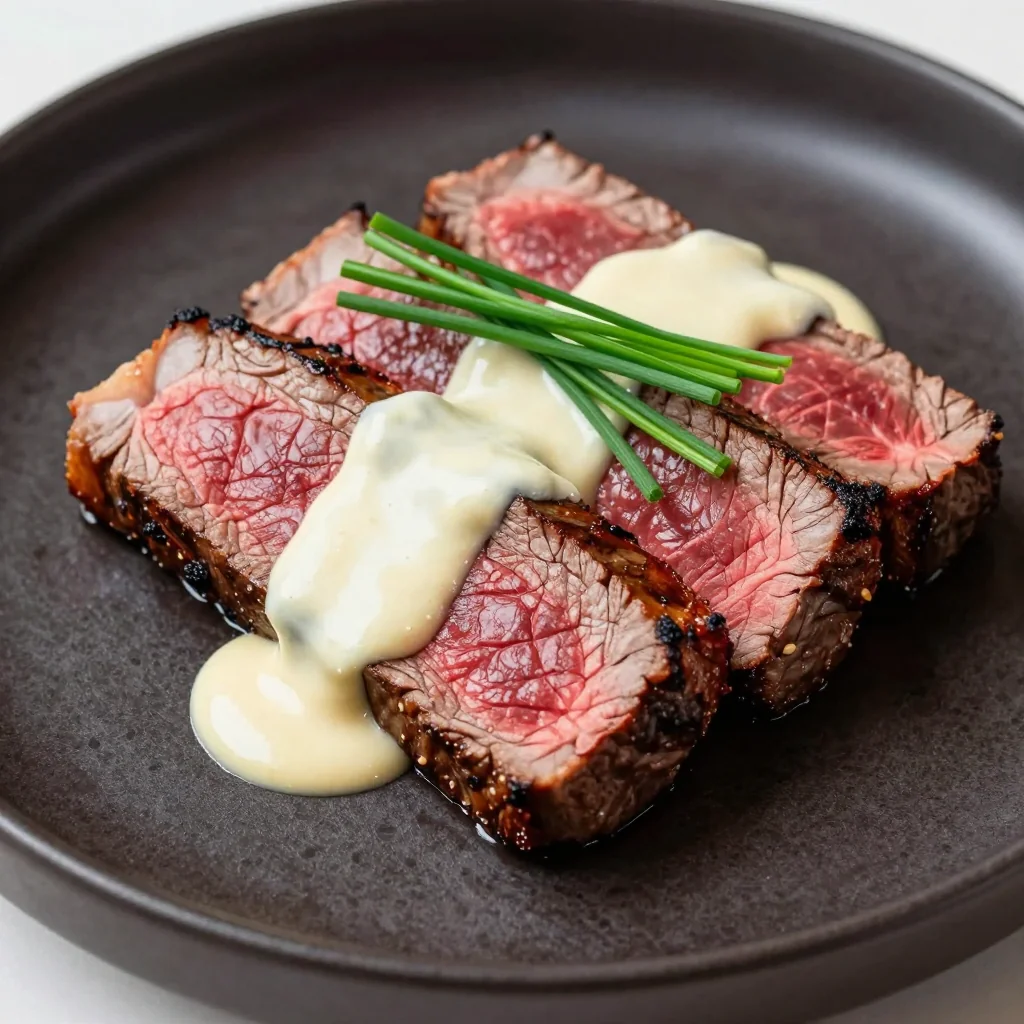
Transfer the tenderloin to a cutting board and tent loosely with foil. Let rest for 15-20 minutes—this is non-negotiable! During this time, juices redistribute throughout the meat, ensuring every slice stays moist. To carve, remove the twine and slice against the grain into 1/2-inch thick slices using a sharp carving knife. The center should be a perfect rosy pink, surrounded by the herb-crusted exterior. Arrange on a platter and serve with the horseradish sauce.
Make the Horseradish Sauce
While the beef roasts, prepare the sauce. In a medium bowl, whisk together 1 cup sour cream, 1/2 cup heavy cream, 3 tablespoons freshly grated horseradish (or 2 tablespoons prepared), 1 tablespoon Dijon mustard, 1 tablespoon fresh lemon juice, 1/2 teaspoon kosher salt, and 1/4 teaspoon freshly ground black pepper. Cover and refrigerate for at least 30 minutes to allow flavors to meld. The sauce will thicken slightly as it chills. Taste and adjust seasoning—add more horseradish for extra kick or more cream for a milder version.
Final Assembly
Just before serving, give the horseradish sauce a good stir and transfer to a serving bowl. Garnish with chopped fresh chives or parsley for color. Arrange the carved beef on a warm platter, overlapping the slices slightly. Drizzle with any accumulated juices from the cutting board. Serve immediately with the horseradish sauce on the side. The contrast between the hot, savory beef and the cool, tangy sauce creates a memorable dining experience that will have your guests talking long after the meal ends.
Expert Tips
Invest in a Good Thermometer
An instant-read probe thermometer is your best friend for perfectly cooked beef. The difference between medium-rare and medium is only 5 degrees, so accuracy matters. Don't rely on time alone.
Don't Rush the Room Temperature
Starting with room-temperature meat ensures even cooking. A cold tenderloin will cook unevenly, with overcooked edges and an undercooked center. Plan ahead for the 2-3 hour rest.
Hot Pan, Cold Oil
When searing, heat your pan first, then add the oil. This prevents sticking and creates a better crust. The oil should shimmer but not smoke excessively.
Make-Ahead Magic
The horseradish sauce actually improves after 24 hours as flavors meld. Make it the day before and refrigerate. The beef can be seasoned and tied the morning of your dinner.
Sharp Knife, Clean Cuts
A sharp carving knife is essential for clean slices. Dull knives tear the meat, causing juices to run out. Wipe the blade between cuts for picture-perfect presentation.
Carryover Cooking Counts
The internal temperature will rise 5-10 degrees during resting. Remove the beef from the oven 5 degrees before your target temperature for perfect doneness.
Variations to Try
Peppercorn Crusted
Replace the herb paste with a crust of cracked mixed peppercorns (black, white, green, and pink). Press 2 tablespoons of crushed peppercorns into the meat after salting. Serve with a cognac cream sauce instead of horseradish.
Mushroom Duxelles
Spread a thin layer of mushroom duxelles under the herb paste for an umami boost. Simply sauté 8 ounces finely chopped mushrooms with shallots and garlic until dry, then cool before applying to the meat.
Blue Cheese Butter
Replace the herb paste with blue cheese butter. Mix 4 tablespoons softened butter with 2 tablespoons crumbled blue cheese, 1 tablespoon chopped parsley, and black pepper. The tangy cheese pairs beautifully with beef.
Asian-Inspired
Create an Asian twist by using a rub of 2 tablespoons each of soy sauce and sesame oil mixed with 1 tablespoon each of grated ginger, minced garlic, and Chinese five-spice powder. Serve with a wasabi cream sauce.
Storage Tips
Leftover Storage: Store leftover beef tenderloin in an airtight container in the refrigerator for up to 4 days. For best results, slice only what you'll serve and keep the remaining roast whole. Wrap tightly in plastic wrap, then foil. Sliced beef dries out faster than whole pieces.
Freezing Instructions: Beef tenderloin freezes beautifully for up to 3 months. Wrap individual portions tightly in plastic wrap, then in foil, and place in a freezer bag. Thaw overnight in the refrigerator. The texture may be slightly different after freezing, but the flavor remains excellent.
Reheating Without Overcooking: The key is gentle reheating. Place slices in a baking dish with a few tablespoons of beef broth, cover with foil, and warm in a 250°F oven for 10-15 minutes. Alternatively, serve cold or at room temperature with the horseradish sauce—many prefer it this way!
Horseradish Sauce Storage: The sauce keeps for up to 1 week in an airtight container. Give it a good stir before serving, as it may separate slightly. The flavors actually intensify after the first day, making it perfect for preparing ahead.
Make-Ahead Strategy: The entire meal can be prepped the morning of your dinner. Season and tie the tenderloin, make the horseradish sauce, and prep any sides. When guests arrive, you'll only need to pop the beef in the oven and relax.
Frequently Asked Questions
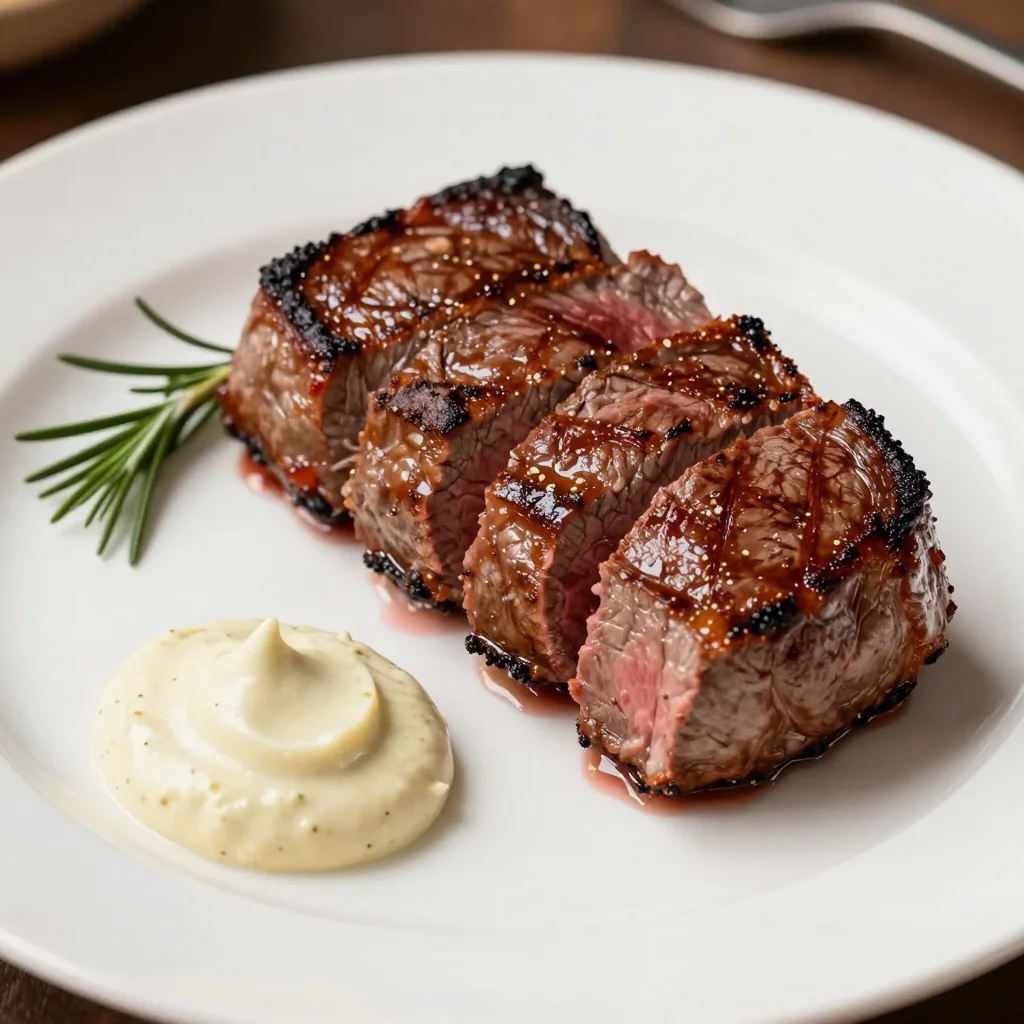
Showstopper Beef Tenderloin with Horseradish Sauce
Ingredients
Instructions
- Prep the beef: Remove tenderloin from refrigerator 2-3 hours before cooking. Pat completely dry and season generously with salt.
- Make herb paste: Combine butter, olive oil, garlic, herbs, salt, and pepper into a spreadable paste.
- Apply crust: Rub herb paste all over tenderloin, coating evenly.
- Roast low and slow: Place on wire rack in rimmed baking sheet. Roast at 275°F until internal temperature reaches 120°F for medium-rare, about 60-75 minutes.
- Sear the crust: Increase oven to 500°F and roast 5-7 minutes more, or sear in hot cast-iron pan for 45-60 seconds per side.
- Rest and carve: Tent with foil and rest 15-20 minutes before slicing against the grain into 1/2-inch slices.
- Make sauce: Whisk together sour cream, heavy cream, horseradish, mustard, lemon juice, and salt. Chill at least 30 minutes before serving.
- Serve: Arrange sliced beef on platter with horseradish sauce on the side.
Recipe Notes
The reverse-sear method ensures perfect doneness. Don't skip the room temperature rest or the final resting period after cooking. Use a meat thermometer for best results.