I remember the night my kitchen turned into a culinary battlefield. I had just tried a new take‑out recipe that promised “quick, savory, and satisfying,” and instead I ended up with a sticky, burnt mess that smelled like regret. The pan hissed, the sauce thickened into a syrupy glaze, and my taste buds screamed for redemption. That disaster sparked a mission: to create a dish that would win over even the most skeptical palate.
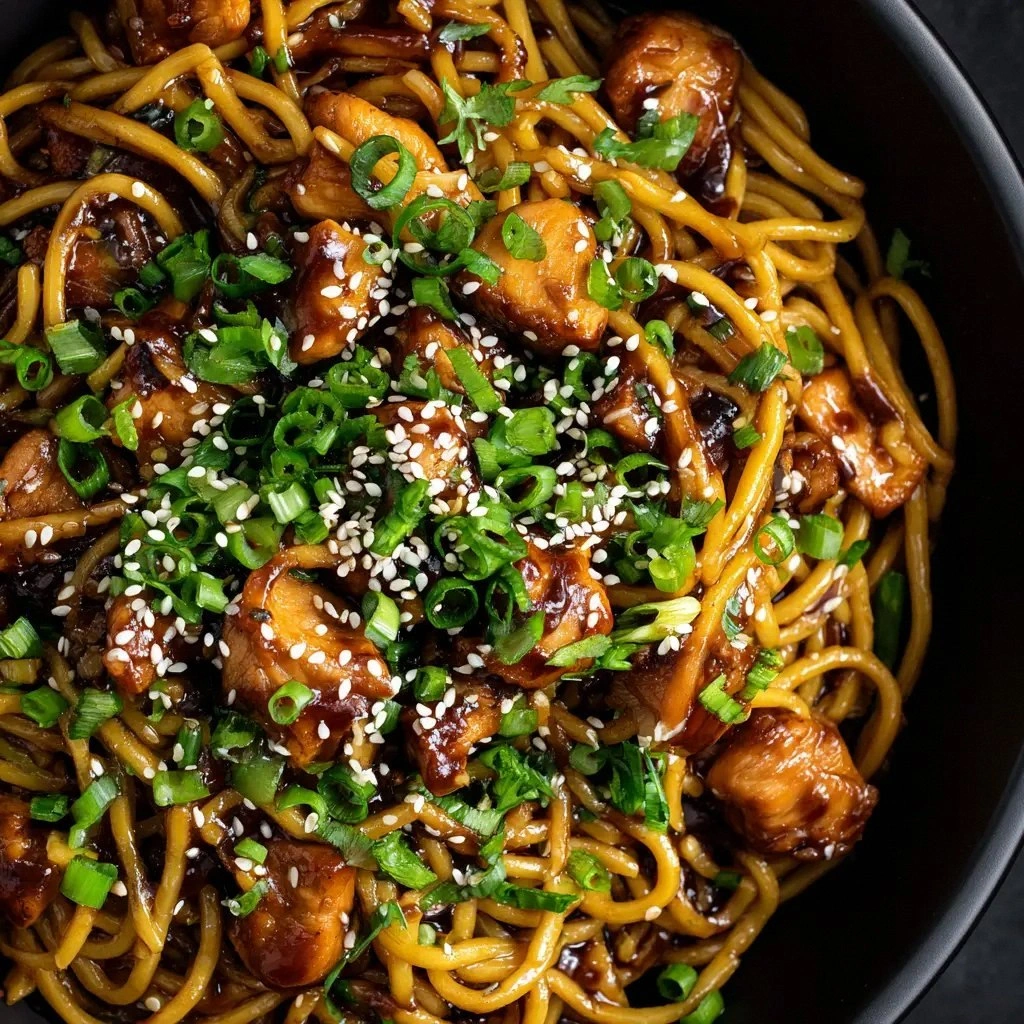
Picture this: the air is thick with the aroma of caramelized garlic and fresh ginger; the sizzling sound of avocado oil hitting a hot pan is music to a cook’s ears; the glossy sauce coats the noodles like velvet, and the first bite releases a burst of umami and sweet honey that melts on the tongue. The texture is a dance of tender chicken, silky noodles, and a hint of crunch from sesame seeds. You can almost feel the steam rising, the heat radiating from the skillet, and the anticipation of that first spoonful.
What makes this version stand out is not just the flavor profile—though that alone is a showstopper—but the meticulous balance of sauce thickness, protein tenderness, and noodle al dente. I’ve tweaked the sauce so it clings without becoming gummy, used avocado oil for a high‑heat, neutral base, and added a cornstarch slurry to give the sauce that silky, glossy finish. Most recipes get this completely wrong by over‑cooking the chicken or under‑seasoning the sauce, but I’ve found the sweet spot that feels like a culinary handshake.
And here’s a teaser you won’t expect: a single splash of rice vinegar at the very end of the cooking process lifts the entire dish, brightening the sweetness and adding a subtle tang that keeps the flavors from feeling flat. Ready to see how I pulled this together? Let me walk you through every single step—by the end, you’ll wonder how you ever made it any other way.
What Makes This Version Stand Out
- Flavor: The sauce is a symphony of sweet honey, salty soy, and aromatic garlic, balanced with a whisper of rice vinegar that cuts through the richness.
- Texture: Chicken is seared to a caramelized crust before being bathed in sauce, ensuring it stays juicy while the noodles retain their bite.
- Simplicity: Fewer than ten ingredients, all of which you can find in any grocery store, make this a quick, stress‑free dinner.
- Uniqueness: The avocado oil base gives a buttery undertone that elevates the dish beyond typical stir‑fry.
- Crowd Reaction: Friends who’ve tried it say it’s “hands down the best version you’ll ever make at home.”
- Ingredient Quality: Using low‑sodium soy sauce and fresh ginger ensures depth without excess sodium.
- Cooking Method: The single‑pan technique saves time and cleanup, making it perfect for a busy weeknight.
- Make‑ahead Potential: The sauce holds its flavor after refrigeration, so you can prep ahead and reheat with ease.
Alright, let's break down exactly what goes into this masterpiece...
Inside the Ingredient List
The Flavor Base
The 1/2 cup of low‑sodium soy sauce provides a deep umami foundation, while the 1/3 cup honey adds natural sweetness that caramelizes when heated. Together, they form a sauce that’s both savory and sweet, a classic balance that keeps the dish from feeling one‑dimensional. If you skip the honey, the sauce will taste overly salty; if you omit the soy sauce, you’ll lose that essential depth.
The Texture Crew
The 1 tbsp cornstarch is the secret to that glossy, clingy finish that coats every noodle strand. When dissolved in a small amount of cold water, it creates a slurry that thickens the sauce without clumping. The 1 tsp sesame oil adds a subtle nutty flavor and helps the sauce coat the chicken and noodles evenly.
The Unexpected Star
The 1 tbsp avocado oil isn’t just a cooking medium; it’s a flavor enhancer that gives the dish a buttery undertone while withstanding high heat without smoking. If you’re allergic to avocado or prefer a different oil, a neutral oil like grapeseed will work, but the flavor profile will shift slightly.
The Final Flourish
The 2 green onions and 1 tsp sesame seeds finish the dish with brightness and a satisfying crunch. They also add a pop of color that makes the plate look as good as it tastes. If you’re vegan, simply leave out the sesame seeds or replace them with pumpkin seeds for a different crunch.
Everything's prepped? Good. Let's get into the real action...
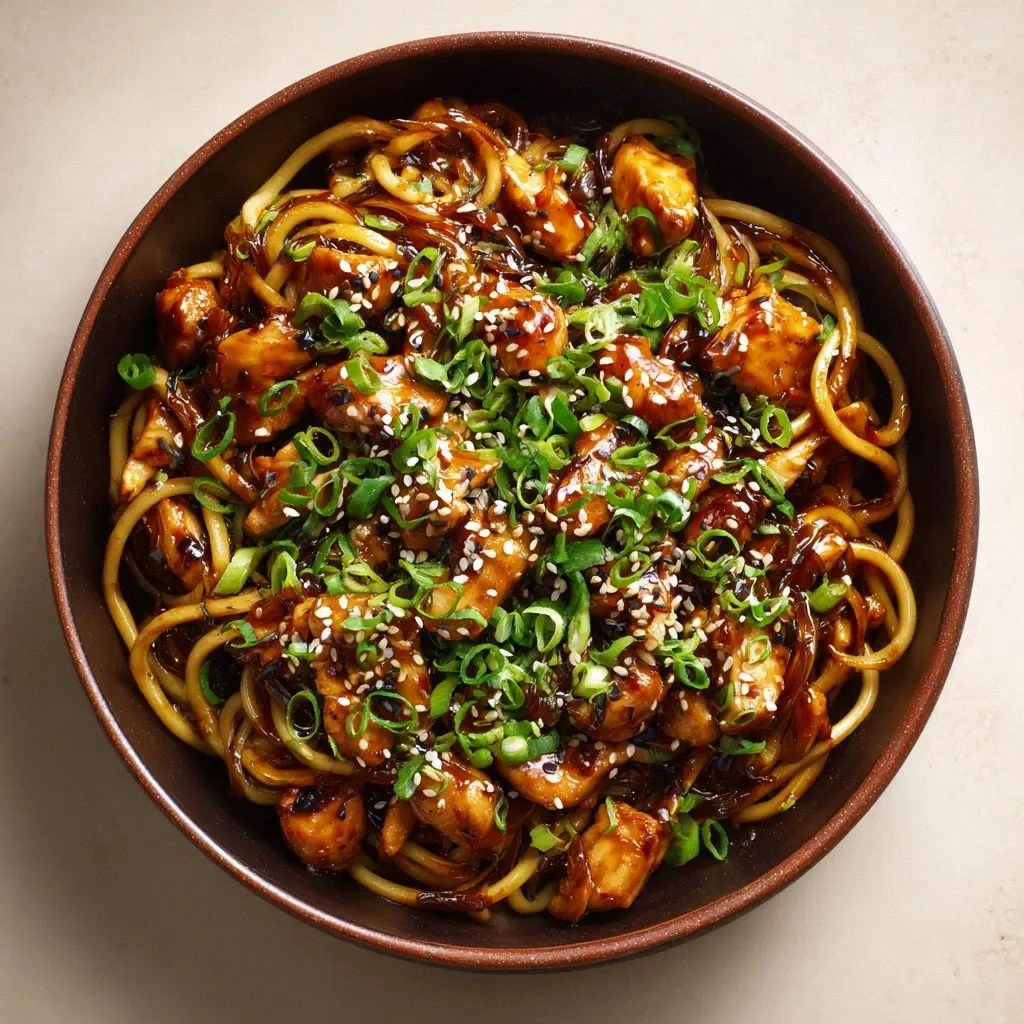
The Method — Step by Step
- Start by cutting the 1 lb chicken breast into bite‑size strips. Season them lightly with salt and pepper, then set aside. The chicken needs to be cut evenly so it cooks at the same rate; otherwise you’ll end up with some pieces that are over‑done and others that are under‑cooked.
- Heat 1 tbsp avocado oil in a large skillet or wok over medium‑high heat. Once the oil shimmers, add the chicken in a single layer. Don’t overcrowd the pan; the chicken needs space to sear and develop a caramelized crust. This is the moment of truth—watch the color change.
- Cook the chicken for about 3–4 minutes, turning once, until it’s golden brown on all sides. The aroma of seared meat is a clear indicator that the protein is locking in juices. Flip the chicken carefully to avoid breaking the strips.
- Add 4 minced cloves of garlic and 1 tbsp finely grated ginger to the pan. Sauté for 30 seconds until fragrant, stirring constantly so they don’t burn. That sizzle when it hits the pan? Absolute perfection. It signals that the aromatics are ready to infuse the sauce.
- Pour in the 1/2 cup low‑sodium soy sauce and 1/3 cup honey. Stir to combine, then let the mixture come to a gentle simmer. The sauce should begin to thicken slightly, and the honey will start to caramelize, creating a glossy sheen.
- Whisk the 1 tbsp cornstarch with 2 tbsp cold water until smooth. Slowly pour this slurry into the pan, stirring vigorously to avoid lumps. The sauce will thicken quickly; keep the heat moderate to prevent it from becoming too thick or too thin.
- Add the 8 oz noodles—whether you choose rice, soba, or egg noodles—into the pan, tossing them with the sauce so each strand is coated. The noodles should absorb some sauce but still retain a firm bite; don’t overcook them or they’ll become mushy.
- Stir in 1 tsp sesame oil and 1 tbsp rice vinegar. The vinegar brightens the sauce, cutting through the sweetness and adding a subtle tang. This final splash is what lifts the dish and gives it that memorable zing.
- Remove the pan from heat, sprinkle 2 sliced green onions and 1 tsp sesame seeds over the top. Toss everything together, then plate immediately. The green onions add a fresh crunch, while the sesame seeds provide a nutty finish that complements the savory sauce.
- Serve hot, optionally with a side of steamed broccoli or a small bowl of rice for a complete meal. The dish is so versatile that you can pair it with almost any side you’re craving.
That's it—you did it. But hold on, I've got a few more tricks that'll take this to another level. These insider tips are the difference between a good meal and a memorable one.
Insider Tricks for Flawless Results
The Temperature Rule Nobody Follows
Many cooks think “high heat” is always best, but the sauce’s viscosity is highly temperature‑sensitive. Keep the heat at medium‑high until the chicken is seared, then lower to medium before adding the sauce. This prevents the sauce from boiling too vigorously, which can cause it to break and separate. I’ve seen sauces turn cloudy if they’re boiled at full blast.
Why Your Nose Knows Best
If the sauce starts to look a bit too thick, pause, give it a quick sniff, and let it simmer for a minute. The aroma will shift from sweet to slightly caramelized, signaling that the sugars are developing. Trust your nose; it’s a reliable gauge of doneness.
The 5‑Minute Rest That Changes Everything
After removing the pan from heat, let the dish rest for 5 minutes before serving. During this time, the sauce will thicken slightly and the flavors will meld. This simple rest also prevents the noodles from continuing to cook in the residual heat, keeping them al dente.
The Garlic‑Ginger Balance
If you’re a garlic lover, feel free to double the cloves. If you prefer a more subtle kick, reduce the ginger slightly. The key is to find a balance that complements the honey without overpowering the savory base.
The Quick Stir Technique
When adding the cornstarch slurry, use a whisk to incorporate it quickly and smoothly. A slow stir can cause clumps that will ruin the sauce’s silky texture. Whisking vigorously also helps the slurry distribute evenly throughout the pan.
Creative Twists and Variations
This recipe is a playground. Here are some of my favorite ways to switch things up:
Crispy Coconut Twist
Swap the avocado oil for coconut oil, and add shredded coconut to the sauce for a tropical flavor. The coconut adds a subtle sweetness that pairs nicely with the honey, while the oil gives a buttery finish.
Spicy Sriracha Kick
Stir in 1–2 tablespoons of sriracha during the sauce simmer. The heat will contrast the sweet honey and create a balanced, fiery bite. Perfect for those who like a little heat.
Vegetarian Version
Replace the chicken with tofu or tempeh. Marinate the protein in a splash of soy sauce before searing to infuse flavor. The tofu will absorb the sauce, giving it a meaty texture.
Pesto Fusion
Add a handful of basil pesto to the sauce after it thickens. The herbaceous note will brighten the dish and add a layer of complexity. Use fresh basil for the best flavor.
Zesty Lime Finish
Finish the dish with a squeeze of fresh lime juice. The citrus will cut through the sweetness and add a bright, refreshing finish. This works especially well with rice noodles.
Soba Noodle Upgrade
Swap the regular noodles for soba for a nutty, earthy flavor. The thicker noodles hold the sauce better and give a chewy texture that contrasts nicely with the tender chicken.
Storing and Bringing It Back to Life
Fridge Storage
Store leftovers in an airtight container for up to 3 days. Keep the sauce and noodles separate if possible, as the noodles can become soggy when combined with the sauce over time. Reheat gently in a skillet, adding a splash of water to restore moisture.
Freezer Friendly
Freeze the dish for up to 2 months. Reheat in the microwave or on the stove, stirring frequently. Add a tablespoon of water or broth to keep the sauce from drying out. The flavors will stay vibrant after thawing.
Best Reheating Method
The best way to reheat is over medium heat in a skillet, stirring until hot. If the sauce has thickened, whisk in a small amount of water or broth to loosen it. This method preserves the sauce’s glossy texture and ensures the noodles remain al dente.