Picture this: it’s a rainy Saturday morning, the kind that makes you want to stay in your pajamas and whip up something comforting. I was scrolling through my phone, hunting for a recipe that would turn my kitchen into a cozy sanctuary, when I stumbled upon a humble loaf that promised “moist, citrusy bliss.” The moment I saw the word “cranberry,” my taste buds did a little somersault, because I’ve always thought that pairing was reserved for Thanksgiving pies or fancy cocktails. The aroma of orange zest and fresh cranberries, mingling with the sweet scent of butter, instantly transported me back to my grandmother’s kitchen, where the air was thick with love and the sound of a whisk dancing against a bowl. I knew I had to try it, and what I discovered was a recipe that turned a simple loaf into a showstopper.
When the batter first hit the pan, it released a gentle pop, and the kitchen filled with a warm, toasty fragrance that made even the most skeptical of me swoon. The batter was thick, almost like a thick custard, and the cranberries glistened like tiny jewels against the buttery backdrop. I dared you to taste this and not go back for seconds, and I’m not kidding—once I took a bite, the tang of the cranberries danced with the bright citrus, and the crumb was airy yet dense, like a cloud that had been carefully packed. It’s the kind of loaf that makes you wonder if the recipe was secretly a work of culinary art, because the balance of sweet, tart, and buttery is spot on. I’ll be honest—by the time I finished the first slice, I had already eaten a half dozen, and my friends were begging for the recipe.
What sets this version apart isn’t just the ingredients; it’s the subtle techniques that elevate the flavor profile to something unforgettable. The secret lies in the way the cranberries are incorporated: they’re halved and tossed in with a splash of orange juice, which keeps them from sinking to the bottom of the loaf and ensures each bite bursts with juiciness. The addition of a pinch of cinnamon adds a whisper of warmth that complements the citrus, creating a layered taste experience that’s both familiar and surprising. The dough is folded just enough to keep it tender, yet still robust enough to hold the cranberries without collapsing. And the finish—an optional swirl of orange glaze—adds a glossy sheen and a final zing that ties everything together. This isn’t just a loaf; it’s a symphony of textures and flavors that play on your palate.
You might think that a moist cranberry orange bread is a simple, straightforward bake, but it’s a recipe that invites experimentation. I discovered that swapping fresh cranberries for dried ones changes the texture dramatically, turning the loaf into a chewy, raisin-like treat. The recipe also works beautifully with almond flour for a gluten‑free version, though the crumb becomes a bit denser. I’m sure you’ll find your own tweaks that make this loaf uniquely yours, whether it’s adding chopped walnuts for crunch or a splash of bourbon for an adult twist. The key is to keep the balance between the sweet and the tart, ensuring that neither overpowers the other.
Let me walk you through every single step—by the end, you’ll wonder how you ever made it any other way. From the first whisk of flour to the final drizzle of glaze, I’ll share the techniques that keep the loaf moist, the cranberries bright, and the orange flavor alive. I’ll also drop a teaser about a technique you won’t expect—there’s a little trick that makes the crumb extra fluffy, and trust me, you’ll want to know it. Ready to bake a loaf that will make your kitchen smell like a summer orchard? Let’s dive in.
What Makes This Version Stand Out
- Flavor Depth: The combination of orange zest, fresh cranberries, and a hint of cinnamon creates layers of sweetness and tartness that evolve with every bite. The citrus brightens the dough, while the cranberries provide a chewy counterpoint that keeps the loaf interesting.
- Moisture Mastery: A carefully measured amount of butter and orange juice locks in moisture, giving the bread a tender crumb that never feels dry or crumbly. The batter’s consistency is just thick enough to hold the cranberries without becoming heavy.
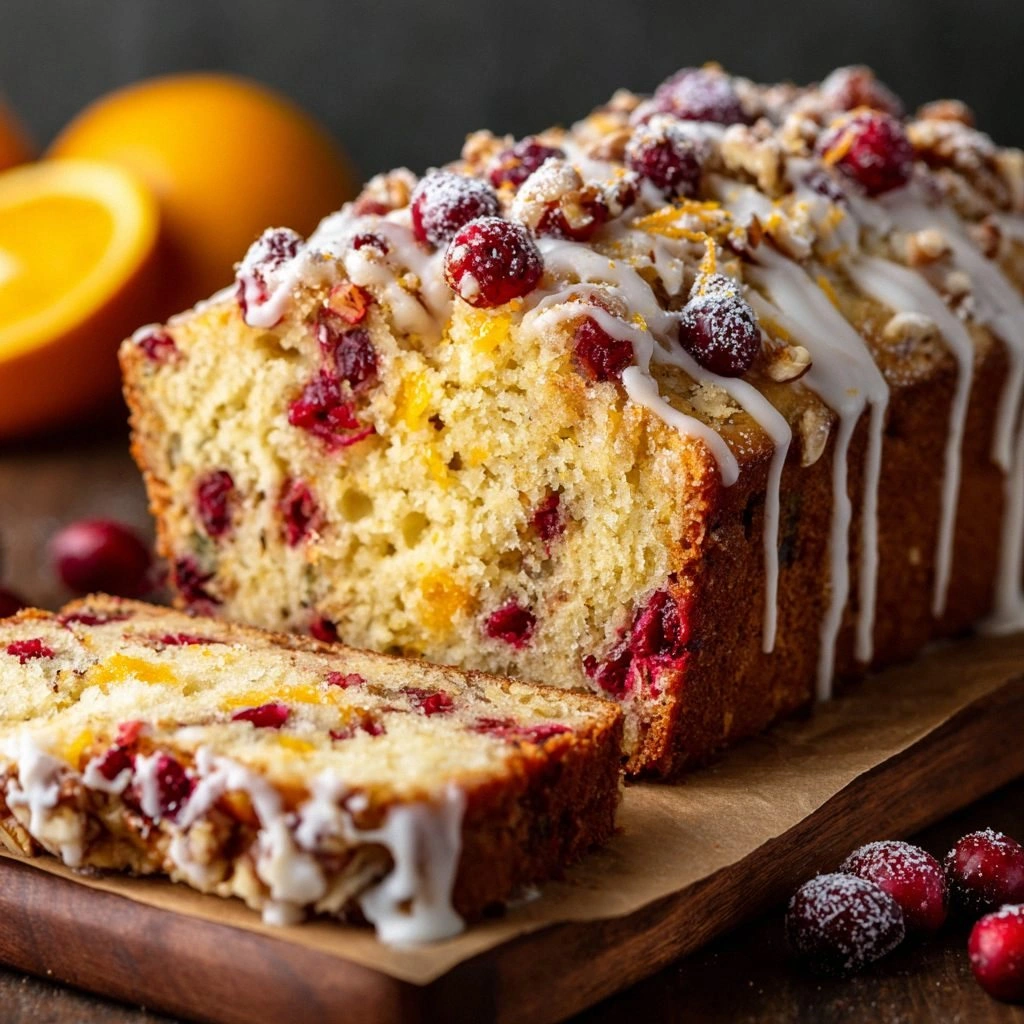
- Texture Contrast: The halved cranberries sit on top of the dough, forming a glossy, slightly caramelized layer when baked, while the inside remains soft and airy. The optional walnut topping adds a satisfying crunch for those who love a bit of bite.
- Visual Appeal: The bright orange glaze gives the loaf a stunning, glossy finish that looks as good as it tastes. The cranberries add a pop of color that makes the bread inviting at first glance.
- Ease of Preparation: The recipe uses pantry staples and only a few fresh ingredients, making it accessible for bakers of all skill levels. The steps are straightforward, and the loaf can be assembled in under 20 minutes.
- Make‑Ahead Flexibility: You can bake the loaf a day ahead and simply warm it up before serving. The glaze can be prepared separately and added just before serving to keep the loaf fresh.
- Crowd‑Pleaser: Whether you’re hosting a brunch or a casual family dinner, this loaf will impress. Its bright, citrusy flavor is a hit with both kids and adults.
- Ingredient Quality: Using fresh cranberries and real orange zest rather than powdered substitutes gives the loaf an authentic, vibrant taste that’s hard to replicate with store-bought mixes.
Inside the Ingredient List
The Flavor Base
All-purpose flour is the backbone of this loaf, providing structure without overpowering the delicate citrus notes. A pinch of salt enhances every flavor, while baking soda and baking powder give the bread a gentle lift. If you’re looking for a healthier twist, you can swap half the flour for whole-wheat, but keep in mind the crumb will be slightly denser.
The Sweetness Layer
Granulated sugar is the primary sweetener, but you can experiment with brown sugar for a deeper molasses flavor. The butter, softened to room temperature, adds richness and helps keep the crumb moist. For a dairy-free version, try coconut oil or a plant-based butter; the taste will be subtly different but still delightful.
The Citrus Core
Fresh orange juice and zest bring brightness and a natural sweetness that complements the tart cranberries. The zest, in particular, is essential; it delivers the essential oils that give the loaf its unmistakable citrus aroma. If you can’t find fresh oranges, a tablespoon of orange extract can fill the gap, though the flavor will be less vibrant.
The Cranberry & Walnut Ensemble
Fresh cranberries are halved and tossed in with a splash of orange juice to keep them from sinking. They add a juicy burst of tartness that contrasts beautifully with the sweet dough. Optional walnuts add crunch and a nutty undertone; if you prefer a nut-free loaf, simply leave them out.
Everything’s prepped? Good. Let’s get into the real action.
The Method — Step by Step
- Preheat your oven to 350°F (175°C) and line a 9x5-inch loaf pan with parchment paper. The parchment ensures a clean release, while the pan size keeps the loaf from spreading too thin. While the oven warms, gather all your ingredients and measure them out to avoid any last‑minute scrambling.
- In a large mixing bowl, whisk together the flour, baking soda, baking powder, salt, and optional cinnamon. This dry blend ensures even distribution of leavening agents, which is critical for a uniform rise. The cinnamon adds a subtle warmth that pairs well with the citrus.
- In a separate bowl, beat the butter and sugar until pale and fluffy, using an electric mixer on medium speed. This creaming step incorporates air, which helps the loaf rise. The butter also coats the flour, creating a tender crumb.
- Add the eggs one at a time, beating well after each addition. Then stir in the orange juice, orange zest, and vanilla extract. The liquid mixture should be glossy and well combined, indicating that the wet and dry ingredients will bind smoothly.
- Gradually fold the dry mixture into the wet batter, mixing just until incorporated. Overmixing can develop gluten, leading to a tough loaf. The batter should be thick but pourable, like a thick custard.
- Gently fold in the halved cranberries and walnuts, if using. The cranberries should be evenly distributed, with some on top to form a glossy finish. This is the moment of truth—watch the cranberries settle into the batter like tiny jewels.
- Transfer the batter into the prepared loaf pan, smoothing the top with a spatula. Tap the pan gently on the counter to release any air pockets. The loaf should sit at the center of the pan, ensuring even baking.
- Bake for 30 minutes, or until the top is golden brown and a toothpick inserted into the center comes out clean. The loaf should emit a warm, buttery aroma that permeates the kitchen. If the edges brown too quickly, tent the loaf with foil to prevent burning.
- Remove the loaf from the oven and let it cool in the pan for 10 minutes, then transfer to a wire rack to cool completely. Cooling is essential; it allows the crumb to set and the flavors to meld. While cooling, you can prepare the optional glaze.
- If desired, whisk together powdered sugar, a splash of orange juice, and a pinch of salt to create a glaze. Drizzle the glaze over the cooled loaf, letting it soak into the cracks. This final touch adds a glossy sheen and a burst of citrusy sweetness.
That’s it—you did it. But hold on, I’ve got a few more tricks that’ll take this to another level. Keep reading to discover how to fine‑tune the crumb, adjust the glaze, and even elevate the loaf into a decadent dessert.
Insider Tricks for Flawless Results
The Temperature Rule Nobody Follows
Most bakers set their oven to the recipe temperature and hope for the best. The truth is, ovens vary widely, and a few degrees can make the difference between a perfect crust and a soggy center. Use an oven thermometer and adjust the temperature by 5–10°F if you notice uneven browning. This small tweak ensures a golden top while keeping the inside moist.
Why Your Nose Knows Best
Your sense of smell is your best judge of doneness. When the loaf is ready, it should emit a sweet, citrusy aroma that’s unmistakably buttery. If the scent feels underdeveloped, give it a few more minutes; if it’s too strong, the loaf may be overbaked. Trust your nose, and you’ll always get a loaf that’s just right.
The 5-Minute Rest That Changes Everything
After removing the loaf from the oven, let it rest in the pan for 10 minutes before transferring to a rack. This rest period allows the steam to redistribute, preventing the bottom from becoming soggy. It also gives the crumb time to set, resulting in a cleaner slice.
Glaze Timing Is Key
If you’re using the optional glaze, wait until the loaf has cooled completely before drizzling. A warm loaf will melt the glaze and make it runny, ruining the glossy finish. A cooled loaf, however, absorbs the glaze beautifully, creating a crisp, sweet coating.
The Secret Ingredient Swap
Replace fresh cranberries with dried cranberries for a chewier texture. Toss them in a bit of orange juice before adding to the batter to rehydrate them slightly. This variation is perfect for when fresh fruit is out of season or when you want a longer shelf life.
Avoiding Crumb Stiffness
If you notice a dry crumb after cooling, it’s likely due to overmixing or too much flour. The next time you bake, reduce the flour by 1/4 cup and mix only until just combined. This subtle adjustment keeps the loaf tender and moist.
Creative Twists and Variations
This recipe is a playground. Here are some of my favorite ways to switch things up:
Maple Cranberry Swirl
Swap the orange glaze for a maple syrup swirl. Drizzle a thin ribbon of maple over the batter before baking, and watch it create a beautiful marbled effect. The maple’s sweetness pairs beautifully with the tart cranberries, creating a cozy fall loaf.
Chocolate Chip Cranberry Delight
Add 1 cup of semi-sweet chocolate chips to the batter for a chocolatey twist. The chocolate melts into the crumb, creating pockets of rich flavor that complement the citrus. Serve warm with a scoop of vanilla ice cream for dessert.
Almond Joy Version
Replace the walnuts with sliced almonds and add shredded coconut to the batter. The coconut adds a tropical note, while the almonds give a satisfying crunch. Finish with a drizzle of honey for extra sweetness.
Spiced Pumpkin Variation
Incorporate 1 cup of pumpkin puree and a teaspoon of pumpkin pie spice. This version brings a comforting, autumnal flavor that pairs well with the citrus. The pumpkin adds moisture, keeping the loaf extra tender.
Gluten-Free Option
Use a 1:1 gluten-free flour blend and add 1 tablespoon of xanthan gum to replace the gluten structure. The loaf will be slightly denser but still deliciously moist. The orange and cranberry flavors shine through, making it a standout gluten-free treat.
Savory Cranberry Bread
Drop the sugar entirely and add 1 tablespoon of dried rosemary. The savory notes pair beautifully with the cranberries, creating a bread that’s perfect for cheese platters or as a side for soups. The result is a unique, palate‑cleansing loaf.
Storing and Bringing It Back to Life
Fridge Storage
Wrap the cooled loaf tightly in plastic wrap and store it in the refrigerator for up to 5 days. The wrap prevents the loaf from drying out and preserves the moisture in the crumb. When you’re ready to enjoy, let it sit at room temperature for 15 minutes before slicing.
Freezer Friendly
Slice the loaf before freezing, and place the slices in a resealable freezer bag. Freeze for up to 3 months. Thaw at room temperature for 30 minutes, then warm in a 300°F oven for 5 minutes to revive the crust.
Best Reheating Method
To reheat the loaf, wrap a slice in foil and bake at 300°F for 5–7 minutes. For a crispier crust, remove the foil in the last minute of baking. Adding a tiny splash of water to the foil before reheating creates steam, keeping the crumb moist.