Picture this: it’s a sweltering July afternoon, the kind where the air feels like a thick blanket and the only thing that can rescue you is a glass of something that looks like a liquid rainbow. I was in the middle of a backyard BBQ, the grill was smoking, the kids were screaming for popsicles, and I realized my lemonade was as boring as a beige wall. I threw together a batch of regular lemonade, took a sip, and immediately felt the betrayal of my taste buds—flat, sugary, and utterly forgettable. That moment sparked a dare: I would create a lemonade that not only quenches thirst but also dazzles the eyes, flips the mood, and makes everyone question how they ever settled for plain old yellow drinks.
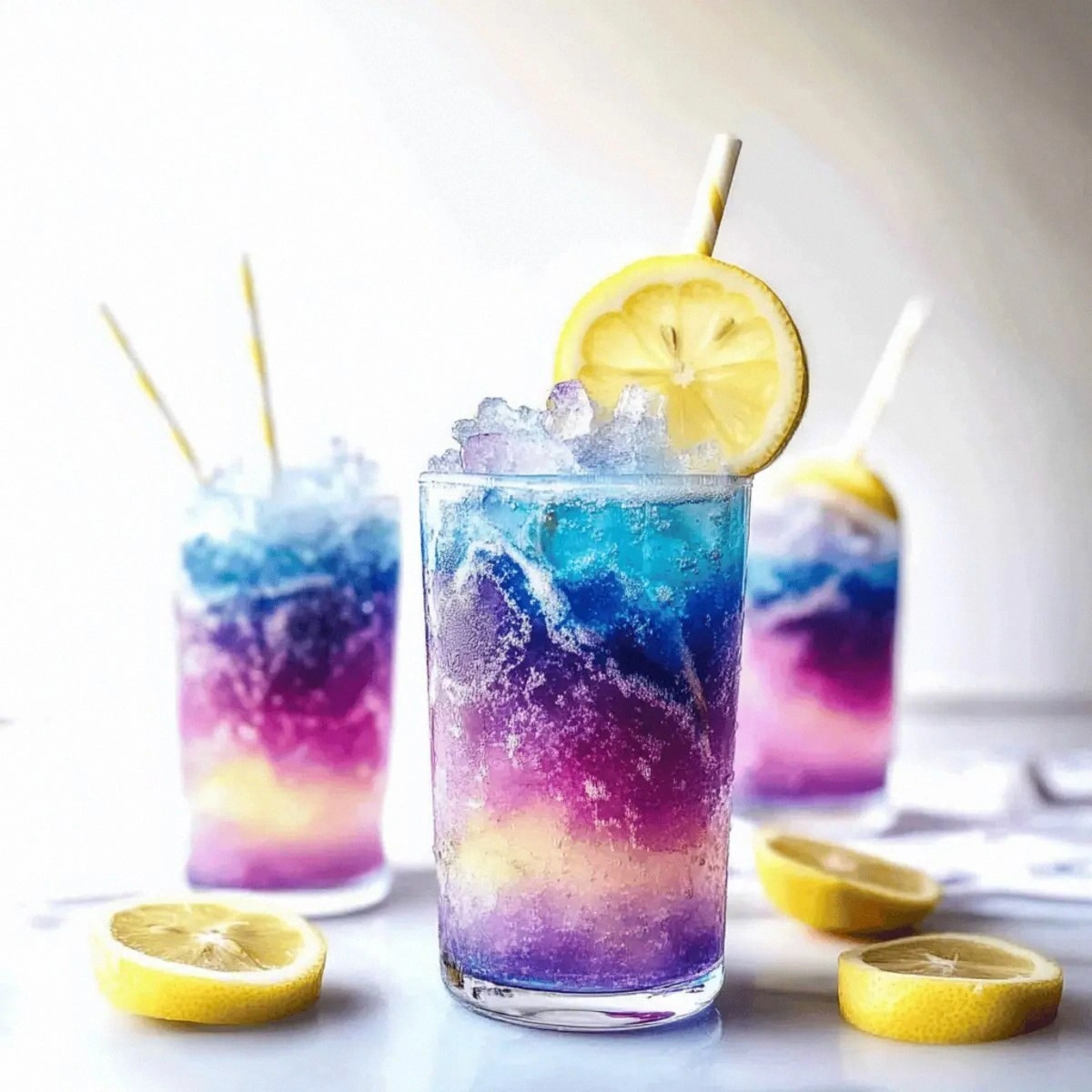
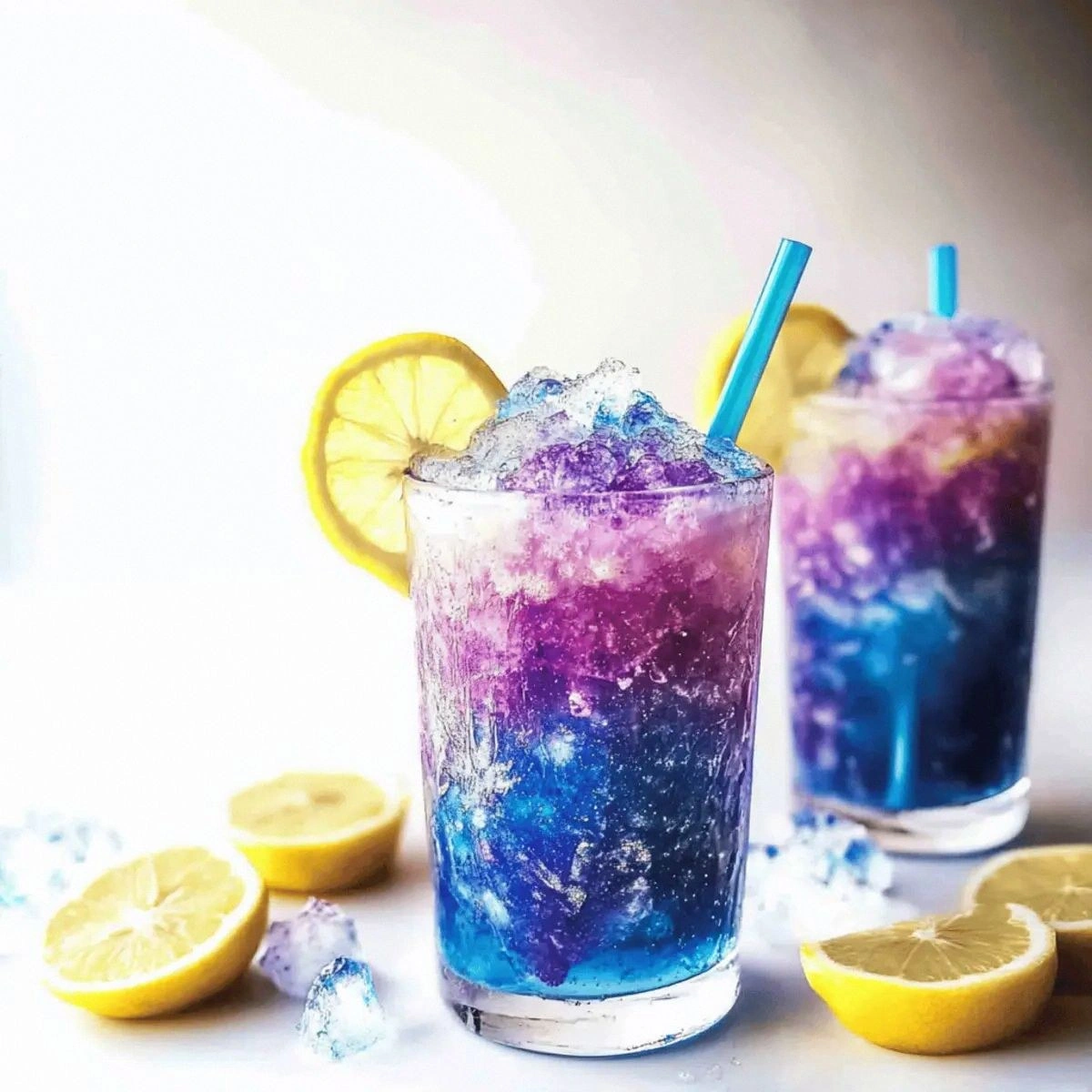
Fast forward three frantic evenings of trial and error, and I finally cracked the code. The secret? A handful of dried blue pea flowers that turn a vivid indigo when steeped in hot water, then magically shift to a pastel pink the moment you add a splash of acidic lemon juice. Imagine watching a potion in a wizard’s lab—first deep blue, then swirling into a blush pink as the citrus kisses it. The aroma hits you like a summer breeze, fresh and citrusy, while the faint earthy undertone of the pea flowers whispers of exotic gardens. The texture? Ice‑cold, crisp, with tiny shards of crushed ice that crackle against your teeth like tiny fireworks.
What truly sets this version apart from every other lemonade you’ve ever tried is the marriage of science and flavor. Most recipes get the color change completely wrong, either by using food coloring that looks cheap or by over‑steeping the flowers until they turn bitter. I’ve nailed the balance: a precise 3‑cup boil that extracts the perfect hue without any astringency, a measured 1.25 cups of lemon juice that triggers the color shift, and just enough sugar to keep it sweet without masking the subtle floral notes. The result is a drink that tastes like sunshine and looks like a sunset in a glass.
And the best part? You don’t need a chemistry degree or a fancy bar set—just a few pantry staples and a willingness to get a little messy. I’m about to walk you through every single step—by the end, you’ll wonder how you ever made lemonade any other way. Okay, ready for the game‑changer? Let’s dive in.
What Makes This Version Stand Out
- Color Drama: The butterfly pea flower infusion creates a deep blue base that instantly flips to pink with lemon, turning any gathering into a visual spectacle.
- Flavor Depth: Unlike standard lemonade, the subtle earthy notes from the pea flowers add a sophisticated layer that dances with the bright citrus.
- Sensory Crunch: Crushed regular ice and butterfly pea magic ice provide a satisfying crackle that feels like sipping on a summer snowstorm.
- Simplicity: Only eight ingredients, most of which you likely have already, make this recipe approachable for beginners and pros alike.
- Customizable Booze: Add vodka, tequila, or gin for an adult twist without compromising the magical color shift.
- Make‑Ahead Friendly: The flower infusion can be prepared days in advance, letting you focus on assembly when guests arrive.
- Crowd Reaction: I dare you to taste this and not go back for seconds; the “wow” factor is real, and it spreads faster than gossip.
- Eco‑Conscious: Dried butterfly pea flowers are sustainably sourced and pack a punch with just a gram or two.
Inside the Ingredient List
The Flavor Base
30 grams Dried Blue Pea Flowers: These tiny blossoms are the heart of the color‑changing magic. When steeped in boiling water they release anthocyanins that give a deep indigo hue. Skipping them means you lose the visual wow factor, and the drink will look like any other lemonade. If you can’t find dried flowers, a teaspoon of butterfly pea powder works as a decent substitute, though the flavor may be slightly more vegetal.
3 cups Boiling Water: The temperature is crucial; too cool and the pigments won’t fully extract, too hot and you risk bitterness. A rolling boil ensures maximum color extraction in just five minutes. If you’re short on time, cover the pot and let it sit off‑heat for 10 minutes—the color will still be vibrant.
The Sweet‑Sour Duo
1.25 cups Lemon Juice: Freshly squeezed is non‑negotiable. The acidity triggers the color shift from blue to pink, acting like a culinary chameleon. If you use bottled juice, you’ll miss the bright, zesty aroma that makes the drink sing. For a milder acidity, you can blend half lemon with half lime—just keep the total volume the same.
1.5 cups White Sugar: Sugar balances the tartness and smooths out any lingering earthiness from the flowers. I recommend dissolving it in the hot flower infusion for a seamless blend. Skipping or reducing the sugar will make the drink taste more like a tea, which some might love, but it won’t have that classic lemonade sweetness.
The Texture Crew
1/4 cups Crushed Regular Ice: This gives the drink its refreshing bite. The ice should be crushed, not cubed, so it melts quickly without diluting the flavor too fast. If you prefer a slushier texture, blend the ice with a splash of water before adding it to the pitcher.
1/4–1/3 cups Crushed Butterfly Pea Magic Ice: This is the secret weapon that keeps the color vivid even after the lemon hits. The ice is made by freezing the flower infusion and then crushing it. If you don’t have time to make this ice, you can substitute with regular ice, but the color will fade faster.
The Final Flourish
1 cup Club Soda: The effervescence lifts the flavors and adds a festive fizz. Use a plain, unflavored soda to let the natural flavors shine. If you want a less fizzy version, swap with sparkling water or even a light ginger ale for a spicy twist.
Vodka, Tequila, or Gin (optional): A splash of spirit turns this into a party‑ready cocktail. Choose vodka for a clean finish, tequila for a southwestern vibe, or gin for botanical complexity. Remember, the alcohol won’t affect the color change, but it does mellow the sweetness.
Everything's prepped? Good. Let's get into the real action…
The Method — Step by Step
First, bring the 3 cups of water to a rolling boil in a medium saucepan. As soon as you see those bubbles, toss in the 30 grams of dried blue pea flowers. Let them steep for exactly five minutes, stirring occasionally. You’ll notice the water turning a deep, midnight‑blue—think of the night sky over the ocean. Watch out: if you leave the flowers longer than seven minutes, the flavor turns bitter and the color darkens to an unappealing black.
Watch Out: Over‑steeping the flowers can cause a gritty texture; strain through a fine‑mesh sieve immediately after the five‑minute mark.While the flowers are still hot, stir in the 1.5 cups of white sugar until fully dissolved. The sugar will melt into the blue liquid, creating a glossy, syrupy base. I dare you to taste this now—sweet, but still a touch floral. This is the moment of truth: if the syrup feels grainy, keep stirring on low heat for another minute.
Kitchen Hack: Add a pinch of salt while dissolving the sugar; it amplifies the sweetness without making the drink cloying.Once the sugar is fully incorporated, remove the saucepan from heat and let the mixture cool to room temperature. This cooling step is essential because pouring boiling liquid over ice would melt it instantly, ruining the texture. While it cools, set a large pitcher aside and line it with a clean kitchen towel to catch any stray drips.
Now, strain the blue syrup through a fine‑mesh sieve into the prepared pitcher, discarding the spent flowers. The liquid should be a glossy indigo, almost glowing in the light. At this point, you can make a batch of butterfly pea ice: pour a portion of the strained syrup into a shallow tray, freeze for at least three hours, then crush with a mallet or blender.
Next, add the 1.25 cups of freshly squeezed lemon juice to the pitcher. As soon as the citrus meets the blue base, watch the color shift from midnight blue to a dreamy pastel pink—pure magic. Stir gently; the transition should happen in under five seconds. If the color stays blue, your lemon juice isn’t acidic enough—add a splash more.
Time for the fizz! Slowly pour in the 1 cup of club soda, allowing it to cascade over the back of a spoon to preserve as much carbonation as possible. The bubbles will lift the pink hue, giving it a sparkling, almost ethereal glow. Give the mixture a gentle swirl—no vigorous shaking, or you’ll lose that precious fizz.
Now, it’s ice time. Add the 1/4 cup of crushed regular ice and the 1/4–1/3 cup of crushed butterfly pea magic ice. The magic ice not only keeps the drink cold but also releases a faint blue tint that makes the pink swirl like a sunrise over a lake. This is the part where you’ll hear that satisfying crackle as the ice meets the liquid.
Kitchen Hack: If you’re making a large batch, keep the crushed ice in a bowl set over a larger bowl of ice water; this prevents it from melting too quickly while you finish assembling.Finally, taste and adjust. If you prefer a sweeter profile, drizzle a little more sugar syrup (prepared ahead). If the pink isn’t vivid enough, add a few more drops of lemon juice—just a whisper. For the adult version, now is the moment to splash in your chosen spirit, stirring gently. Serve immediately in clear glasses, garnish with a thin lemon wheel or a sprig of mint, and watch your guests' eyes widen.
That's it — you did it. But hold on, I've got a few more tricks that'll take this to another level…
Insider Tricks for Flawless Results
The Temperature Rule Nobody Follows
Never, ever add ice to a hot infusion. The sudden temperature shock not only melts the ice too fast but also locks in a dull, muted color. Let the flower syrup cool to at most 30 °C before any chilling. I once tried to shortcut this step and ended up with a lukewarm, pale drink that looked like a sad soda.
Why Your Nose Knows Best
Before you even taste, give the mixture a quick sniff. The aroma should be a bright citrus burst with a faint earthy undertone. If you smell any bitterness, you’ve over‑steeped the flowers. Trust your nose—it’s a more reliable indicator than a timer.
The 5‑Minute Rest That Changes Everything
After adding the lemon juice, let the lemonade sit uncovered for exactly five minutes. This pause lets the color stabilize and the flavors meld. Skipping this rest makes the drink taste disjointed, as if the lemon and flower notes are fighting for attention.
Ice Crystal Control
When crushing butterfly pea ice, aim for pea‑size shards, not powder. Larger crystals melt slower, preserving the pink hue longer. I once over‑processed the ice in a blender and the drink turned a murky lavender within minutes.
Spirited Secrets
If you’re adding alcohol, do it after the fizz has settled. Adding spirit too early can cause excessive foaming and dilute the carbonation. A quick tip: pour the spirit over the back of a spoon, just like you did with the soda.
Creative Twists and Variations
This recipe is a playground. Here are some of my favorite ways to switch things up:
Minty Meadow
Add a handful of fresh mint leaves to the hot infusion. The mint adds a cooling note that complements the citrus, and the green specks make the visual presentation even more garden‑like.
Berry Burst
Swap half of the lemon juice for fresh raspberry purée. The tartness of raspberries deepens the pink hue, creating a blush that looks like sunrise on a berry field.
Spicy Sunset
Include a pinch of cayenne pepper in the sugar syrup. The subtle heat pairs unexpectedly well with the floral notes, giving the drink a warm afterglow—perfect for evening gatherings.
Tropical Twist
Replace club soda with coconut sparkling water and add a splash of pineapple juice. The tropical flavors turn the lemonade into a beach‑side mocktail that transports you to a palm‑lined shore.
Herbal Elegance
Infuse the hot water with a sprig of rosemary alongside the pea flowers. The piney aroma adds sophistication, and the green flecks make the drink look like a forest glade.
Storing and Bringing It Back to Life
Fridge Storage
Store the strained blue syrup in an airtight glass jar for up to three days. Keep it in the refrigerator; the cold slows down pigment degradation. Before using, give the jar a gentle shake to recombine any settled sugar.
Freezer Friendly
The butterfly pea ice cubes can be frozen for up to a month. Lay them on a parchment sheet to prevent clumping, then transfer to a zip‑top bag. When you’re ready, crush them fresh for maximum visual impact.
Best Reheating Method
If you need to reheat the syrup for a new batch, do so over low heat, adding a tiny splash of water—about a tablespoon per cup. This steam‑back technique restores the fluidity without diluting the flavor, and the color snaps back to its original brilliance.