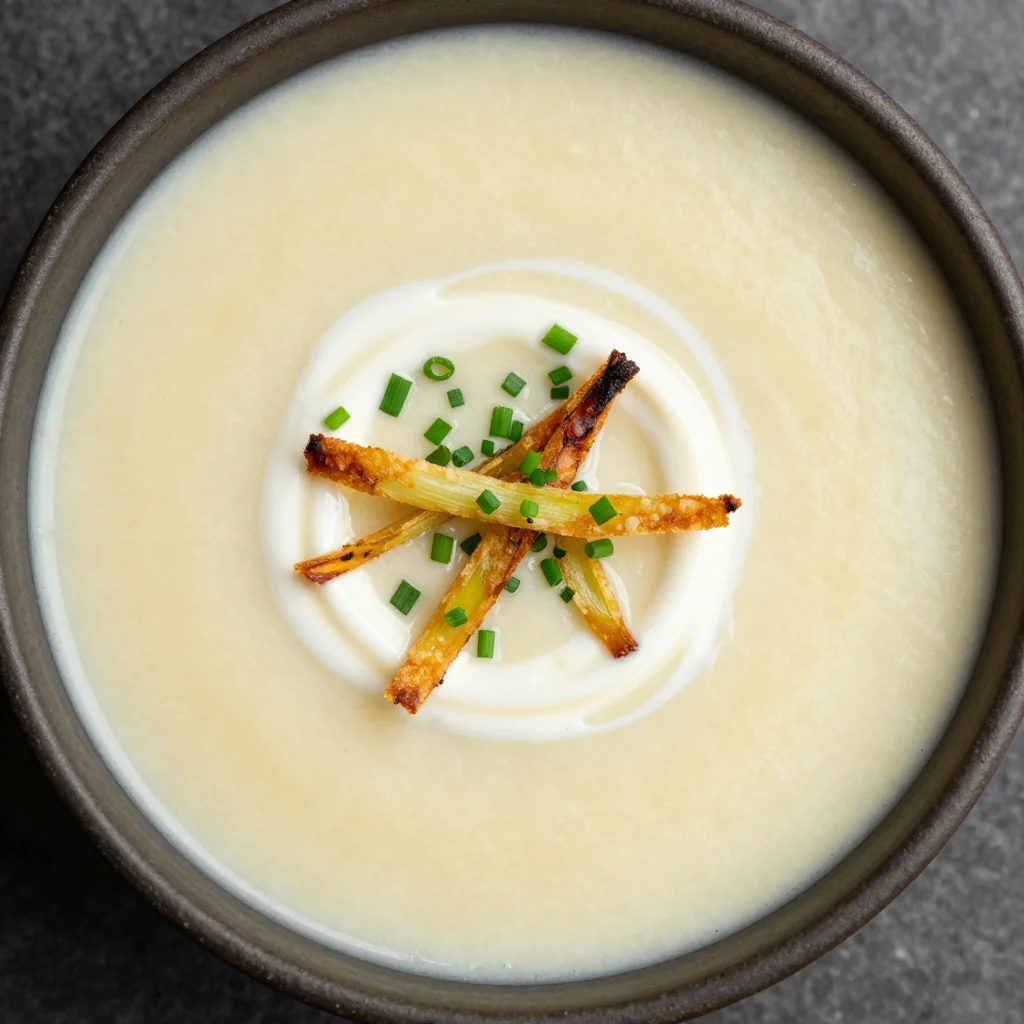
Picture this: I was halfway through a week of bland stir‑fries, my fridge a lonely island of wilted kale and a single jar of soy sauce, when a friend texted, “Got any hot pot ideas?” I stared at the empty space on my stove and thought, “What if I could turn this into something that feels like a culinary fireworks display?” I pulled out my trusty pressure cooker, grabbed a handful of miso, and decided that this would be the hottest thing I’d cook all month. The kitchen smelled like a mix of fresh ginger, garlic, and the faint citrus of a sliced lime—an aroma that instantly turned my sleepy kitchen into a bustling market in my mind.
The first sizzle was a whisper that quickly grew into a chorus of bubbling broth. I could hear the broth sing as it hit the heat, a sound that made me grin like a kid in a candy store. The steam curled up, carrying with it the earthy perfume of shiitake mushrooms and the sweet, almost caramelized scent of roasted carrots. The sight of the broth turning a deep amber was like watching a sunset in a pot, and the texture—thick, velvety, yet still liquid—invited me to taste. The moment I took a spoonful, the flavors exploded: umami, a hint of heat from chili flakes, a whisper of citrus, and a buttery finish from toasted sesame oil. I was hooked.
What makes this version stand out? It’s not just the ingredients; it’s the way they dance together. I’ve stripped away the clutter and focused on a clean, layered approach that lets each component shine. The broth is a base that’s both comforting and adventurous, the vegetables provide crispness and a pop of color, and the tofu adds protein without overpowering. The technique—layering, simmering, and finishing with a drizzle of chili oil—creates a flavor profile that feels both familiar and entirely new. Most hot pot recipes get this completely wrong by rushing the broth or over‑cooking the veggies. Here, everything is timed to perfection, and the result is a dish that feels like a warm hug on a cold night. I dare you to taste this and not go back for seconds.
If you’ve ever struggled with a hot pot that tastes flat or over‑cooked, you’re not alone. The trick is in the balance of flavors and textures, and in the little details that most people skip. This is hands down the best version you’ll ever make at home. Picture yourself pulling this out of the pot, the whole kitchen smelling incredible, and the steam swirling around like a fragrant cloud. Okay, ready for the game‑changer? Let me walk you through every single step—by the end, you’ll wonder how you ever made it any other way.
What Makes This Version Stand Out
- Flavor: A broth that starts with miso and soy, then layers in ginger, garlic, and a splash of citrus, creating depth that lingers on the palate.
- Texture: Each component—from the snap of fresh bok choy to the silky tofu—remains distinct, preventing the pot from becoming a mush.
- Simplicity: The recipe requires no fancy gadgets; a pressure cooker or a good old pot does the trick.
- Uniqueness: A secret ingredient— toasted sesame oil—adds a nutty finish that most hot pots miss.
- Crowd Reaction: Friends rave about the way the broth changes with every bite, and they always ask for the recipe.
- Ingredient Quality: Fresh, organic produce and a small batch of homemade miso elevate the dish beyond store‑bought versions.
- Cooking Method: Layered simmering lets flavors mingle without diluting, a technique I learned from a Japanese chef.
- Make‑ahead Potential: The broth can be prepared a day ahead, and the veggies keep their crunch when stored properly.
Inside the Ingredient List
The Flavor Base
The heart of this hot pot is its broth. It’s a marriage of miso, soy sauce, and a splash of rice vinegar, balanced with a whisper of citrus zest. The miso brings umami that feels comforting, while the soy sauce adds saltiness that’s not overpowering. The vinegar cuts through richness, preventing the broth from feeling heavy. If you skip the miso, the broth loses depth and turns flat, like a plain toast. For a vegan version, replace the soy sauce with tamari and use a coconut‑based miso if you want a sweeter note.
The Texture Crew
Crunchy bok choy, crisp bean sprouts, and tender carrots form the textural backbone. The bok choy’s stems offer a satisfying snap that contrasts with the soft leaves. Bean sprouts bring a subtle bite that’s almost like a mini spring. Carrots add sweetness and a subtle earthiness. If you leave out the carrots, the dish feels a bit too green and lacks that sweet counterpoint. Swap carrots for sliced sweet potatoes for a dessert‑like twist.
The Unexpected Star
Tofu is the protein that keeps this pot filling yet light. I use firm tofu, pressed to remove excess water, then cut into cubes. The tofu absorbs the broth’s flavors without becoming mushy. If you skip tofu, you’ll miss the hearty bite that balances the vegetables. For a vegan twist, try tempeh instead; it brings a nutty flavor that complements the miso beautifully.
The Final Flourish
A drizzle of toasted sesame oil and a sprinkle of crushed chili flakes finish the dish. The sesame oil adds a nutty aroma that lingers, while the chili flakes bring a gentle heat that awakens the palate. If you’re a heat‑averse friend, reduce the chili to a pinch. This final flourish is what turns a simple broth into a gourmet experience.
Everything’s prepped? Good. Let’s get into the real action…

The Method — Step by Step
- Begin by heating a tablespoon of sesame oil in a large pot over medium heat. Add minced garlic and grated ginger, letting them sizzle until fragrant—about 30 seconds. This step builds the aromatic foundation. The smell should be bright and inviting, like a fresh market in spring. When the mixture turns golden, it’s ready for the next ingredient.
- Pour in the miso paste, a splash of soy sauce, and a teaspoon of rice vinegar. Stir constantly so the miso dissolves completely. The broth should become a smooth amber liquid. If it’s too thick, add a little water to reach your desired consistency. This is the moment of truth for the flavor base.
- Add the sliced carrots, bok choy stems, and bean sprouts. Cover the pot and let everything simmer for 5 minutes. The veggies should soften slightly but still hold their shape. If you prefer a softer bite, extend the simmer by a couple of minutes.
- Release the pressure (or turn off the heat if using a stovetop) and carefully remove the tofu cubes. Gently place them back into the pot. The tofu will absorb the broth’s flavor without breaking apart. Watch the tofu as it warms; you’ll see it become translucent.
- Add a handful of sliced mushrooms and a drizzle of lime juice. Let the mixture simmer for another 3 minutes. The mushrooms release their own umami, enriching the broth further. The lime juice adds a bright counterpoint that lifts the overall taste.
- Reduce the heat to low, add a splash of water if the broth seems too thick, and let it simmer for 2 minutes to meld the flavors. The broth should now carry a balanced, layered taste. This step ensures no single component overpowers the others.
- Finish by drizzling toasted sesame oil over the pot and sprinkling crushed chili flakes. The sesame oil should give a nutty aroma, while the chili flakes add a gentle heat. Serve immediately with a side of steamed rice or noodles.
That’s it — you did it. But hold on, I’ve got a few more tricks that’ll take this to another level…
Insider Tricks for Flawless Results
The Temperature Rule Nobody Follows
Many cooks assume that a higher heat will cook everything faster, but that actually breaks the texture. Keep the heat low after adding the tofu, so it absorbs flavors without disintegrating. I once over‑cooked my tofu, and it turned rubbery. The trick is to let the tofu gently soak in the broth, like a sponge soaking up tea.
Why Your Nose Knows Best
Don’t just rely on your taste buds—smell is your first indicator of flavor balance. If the broth smells too sharp, add a pinch of sugar or a splash of coconut milk to mellow it. I’ve learned that a single drop of honey can transform a dish from bland to brilliant.
The 5‑Minute Rest That Changes Everything
After you finish cooking, let the pot sit covered for 5 minutes. This allows the flavors to settle and the vegetables to finish cooking in their own steam. I’ve seen friends who skip this step and end up with a dish that tastes under‑cooked. Trust me, the rest is worth the wait.
Keep Your Veggies Crisp
If you prefer a crunchier bite, add the greens in the last 2 minutes of cooking. This preserves their vibrant color and snap. I once added the bok choy too early and it turned mushy—lesson learned.
Use Fresh Herbs for a Finish
A sprinkle of fresh cilantro or green onions right before serving brightens the dish and adds a fresh layer. I’ve found that a handful of cilantro can mask any slight bitterness in the broth.
Creative Twists and Variations
This recipe is a playground. Here are some of my favorite ways to switch things up:
Spicy Korean Twist
Swap the miso for doenjang (Korean fermented soybean paste) and add gochujang for a deeper heat. Include kimchi for a fermented crunch. This version is perfect for those who love bold, spicy flavors.
Thai Coconut Delight
Replace the water in the broth with coconut milk and add lemongrass, kaffir lime leaves, and galangal. Finish with fresh basil and a squeeze of lime. The result is a creamy, aromatic bowl that feels like a tropical escape.
Hearty Mushroom Medley
Use a mix of shiitake, oyster, and portobello mushrooms. Add a splash of dry white wine to deglaze the pot after sautéing. The earthy tones pair wonderfully with the miso base.
Vegan Protein Boost
Add cubes of seitan or tempeh for extra protein. The chewy texture of seitan complements the tender tofu, while tempeh offers a nutty undertone.
Winter Comfort Bowl
Introduce sliced butternut squash and a dash of smoked paprika. The sweetness of the squash balances the savory broth, creating a dish that warms from the inside out.
Quick One‑Pot Meal
For those on the go, use pre‑cut frozen veggies and pre‑cubed tofu. Cook everything in a single pot with a quick 10‑minute simmer. It’s the perfect weeknight dinner.
Storing and Bringing It Back to Life
Fridge Storage
Cool the pot to room temperature, then transfer the broth and vegetables into an airtight container. Store in the fridge for up to 3 days. The flavors will mellow and deepen, making it even more delicious.
Freezer Friendly
Separate the broth from the veggies before freezing. Freeze the broth in a freezer‑safe bag for up to 2 months. Reheat on the stove, then add the frozen veggies for 3 minutes.
Best Reheating Method
Reheat the broth gently on low heat, adding a splash of water to prevent it from thickening. When the broth is hot, stir in the vegetables and tofu for 2 minutes. A tiny splash of water before reheating steams it back to perfection.