
Picture this: I’m standing in a cramped kitchen, the air thick with the scent of burnt onions and a desperate craving for something smoky. The last time I tried a homemade BBQ sauce, the sauce thickened into a syrupy mess that clung to the pot like a bad habit. My friend dared me to make a Whole30 version that could actually survive a grill session without turning into a sticky puddle. I laughed, grabbed the ingredients, and set the stove to medium, already feeling the thrill of culinary rebellion.
The moment the sauce hit the pan, a gentle hiss announced the beginning of a symphony. The tomato paste sang a rich, umami chorus, while the apple cider vinegar cut through the sweetness with a bright, almost citrusy edge. My senses were assaulted: the deep red of the tomatoes, the sharp tang of vinegar, the faint scent of cumin rising like incense, the sound of bubbles dancing, the anticipation of that first lick on a steak, and the comforting weight of a pot that feels like a trusted old friend. I could almost taste the future: ribs that fall off the bone, chicken that glistens, vegetables that burst with flavor.
What makes this sauce truly special is that it marries Whole30 compliance with the bold, unapologetic flavor profile you expect from a classic BBQ sauce. No added sugars, no dairy, no artificial additives—just pure, unadulterated ingredients that sing together in harmony. The result is a sauce that coats meats like velvet, gives a subtle smoky depth without a single drop of smoke, and leaves a lingering finish that makes you reach for the next bite. I dare you to taste this and not go back for seconds; it’s a game-changer in every sense.
And there’s a twist that sets this apart: a splash of fresh lemon juice at the end that brightens the entire profile and cuts through the richness, giving the sauce a clean, almost citrusy lift that you won’t find in the typical sweet-and-sour balance. If you’re ready to leave behind the bland, the overly sweet, and the overly thick, let me walk you through every single step—by the end, you’ll wonder how you ever made it any other way.
What Makes This Version Stand Out
- Flavor: The sauce balances smoky depth with a bright acidity from apple cider vinegar and fresh lemon, creating a complex taste that’s both bold and refreshing.
- Texture: It achieves a silky, pourable consistency that clings to meats without becoming syrupy, thanks to the precise ratio of tomato paste and water.
- Simplicity: With just 15 ingredients and straightforward steps, it’s a no-fuss, pantry-friendly recipe that anyone can master.
- Whole30‑compliant: No added sugars, no dairy, no processed additives—every component meets Whole30 guidelines.
- Versatility: Works equally well on grilled chicken, pork ribs, steak, or roasted veggies, making it a kitchen staple for any occasion.
- Make‑Ahead: The sauce can be prepared days in advance, its flavors deepening over time, yet it remains fresh and vibrant.
- Ingredient Quality: Uses high‑quality tomato paste, fresh herbs, and a dash of olive oil to elevate the base without compromising Whole30 rules.
- Crowd Reaction: Friends who’ve tried it often say it’s “the best sauce you’ll ever make at home,” and I’ve seen the crowd gather around the grill just for a taste.
Alright, let's break down exactly what goes into this masterpiece...
Inside the Ingredient List
The Flavor Base
Crushed tomatoes (2 cups): They form the heart of the sauce, providing a robust tomato flavor that’s both sweet and slightly acidic. Skipping them would strip the sauce of its depth, leaving it feeling flat and thin. If you prefer a smoother texture, blend the tomatoes before adding them. When choosing tomatoes, look for a rich, slightly sweet variety; the better the base, the more flavorful the final sauce.
Tomato paste (2 tbsp): Adds body and intensity, thickening the sauce while deepening the tomato notes. Removing it would make the sauce runny and less satisfying. If you’re short on paste, a splash of tomato sauce can work, but be mindful that it may alter the thickness.
Apple cider vinegar (1/4 cup): Provides a bright, tangy kick that cuts through the richness of the tomatoes and olive oil. This vinegar is also a Whole30‑approved acid that helps tenderize meats when used as a glaze. If you don’t have apple cider vinegar, white wine vinegar or rice vinegar can be substitutes, though the flavor profile will shift slightly.
Water (1/4 cup): Balances the sauce’s consistency, ensuring it’s pourable but not watery. If you prefer a thicker sauce, reduce the water by half; for a lighter version, add a bit more.
Olive oil (1 tbsp): Adds a subtle richness and helps carry the spices. It also creates a silky mouthfeel. If you’re looking for a more neutral oil, canola or avocado oil will work fine.
The Spice Ensemble
Smoked paprika (2 tsp): Introduces a smoky undertone without the need for actual smoke, giving the sauce that classic BBQ flavor. Without it, the sauce would taste more like a plain tomato sauce. If you’re sensitive to heat, start with 1 tsp and adjust to taste.
Cumin (1 tsp): Adds earthy warmth that balances the sweetness of tomatoes. Skipping cumin would make the sauce feel a bit one‑dimensional. If you’re in the mood for a deeper flavor, a pinch of ground coriander can complement cumin nicely.
Dried oregano (1 tsp): Brings a herbal note that elevates the sauce’s complexity. If you prefer fresh herbs, chopped fresh oregano works well, but the flavor will be brighter and less concentrated.
Garlic powder (1 tsp) and onion powder (1 tsp): These aromatics provide a savory backbone, ensuring the sauce is well‑rounded. If you have fresh garlic and onion, you can use minced versions, but keep the quantity in mind to avoid overpowering the sauce.
Cayenne pepper (1/2 tsp): Adds a gentle heat that gives the sauce a lively kick. If you’re heat‑averse, reduce to 1/4 tsp or omit entirely. The heat should be noticeable but not overwhelming.
Salt (1 tsp) and black pepper (1/4 tsp): Basic seasonings that bring out the flavors of all the other ingredients. Taste as you go; you can always add more salt later if needed.
The Fresh Finish
Fresh lemon juice (2 tbsp): Brightens the sauce, adding a citrusy lift that cuts through the richness. This is the secret weapon that keeps the sauce from becoming too heavy. If you’re out of lemons, a splash of lime juice can provide a similar zing.
Fresh thyme leaves (1 tbsp, optional): Adds a subtle herbal aroma that complements the oregano. If you don’t have thyme, rosemary or marjoram can be used, but adjust the quantity to avoid overpowering the sauce.
Fresh basil (2 tbsp, optional): Brings a sweet, peppery note that brightens the sauce. If you’re looking for a more robust herbal flavor, add a pinch of dried basil instead.
The Optional Enhancer
Ground ginger (1 tsp, optional): Adds a subtle warmth and a hint of spice that complements the cayenne. If you prefer a sweeter profile, you can add a pinch of ground cinnamon, but remember that Whole30 allows only natural spices.
Fresh ground pepper (2 tbsp, optional): Provides a peppery punch that adds depth. If you’re looking to keep the sauce mild, skip this step entirely.
Everything's prepped? Good. Let's get into the real action...
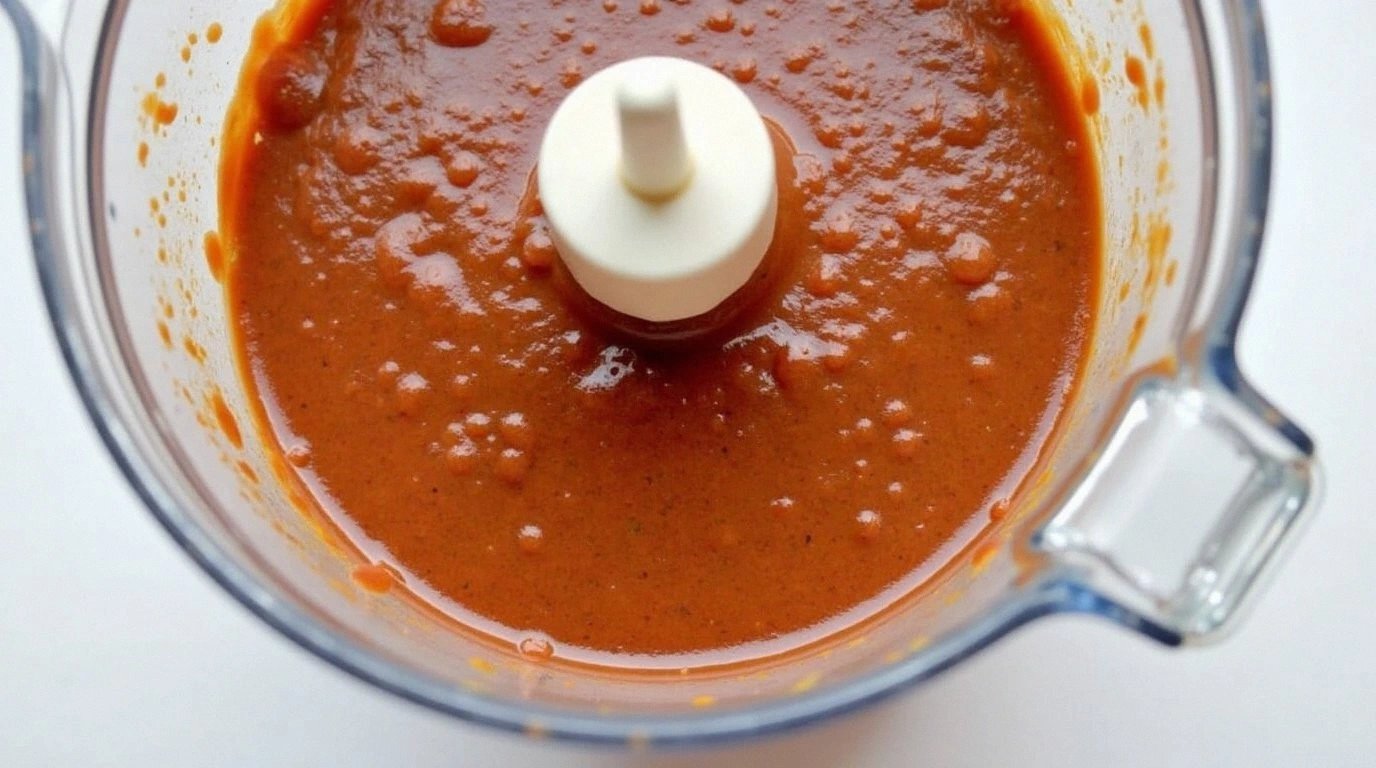
The Method — Step by Step
- Heat the olive oil in a medium saucepan over medium heat. Let the oil warm, but avoid letting it smoke. When you see a faint shimmer, it’s ready for the next step. This is the moment of truth, the base that will carry all the flavors.
- Add the crushed tomatoes and tomato paste to the pan, stirring constantly. The mixture should start to bubble gently, releasing a sweet aroma. Keep the heat at medium to prevent scorching. This is where the sauce begins to develop its body.
- Stir in the apple cider vinegar, water, and olive oil, ensuring everything is well blended. The acidity will start to dance with the tomatoes, creating a bright, layered flavor. Watch for the first hint of a tangy scent.
- Introduce the spices: smoked paprika, cumin, oregano, garlic powder, onion powder, cayenne, salt, and black pepper. Mix thoroughly, letting the spices bloom in the warm sauce. This step is crucial for depth; don’t skip it.
- Reduce the heat to low and let the sauce simmer uncovered for 15 minutes, stirring occasionally. The sauce should thicken slightly, the edges pulling away from the pan. This slow simmer is where the flavors marry.
- If you’re using fresh herbs, add thyme and basil now, allowing them to infuse the sauce for an additional 5 minutes. The herbs will release their oils, adding a fragrant note. Keep the heat low to preserve their flavor.
- Stir in the fresh lemon juice and optional ginger. The lemon brightens the sauce, giving it a clean finish, while the ginger adds a subtle warmth. Taste the sauce; adjust salt or acidity as needed.
- Turn off the heat and let the sauce rest for 5 minutes. This resting period allows the flavors to settle and the sauce to reach its optimal thickness. It’s the final polish before serving.
- Taste again and adjust if necessary—add more salt, a touch of vinegar, or a dash of pepper. The sauce should be balanced, not overly sweet or acidic. This is the moment to fine‑tune.
- Transfer the sauce to a jar or airtight container and refrigerate. It can be used immediately or stored for up to a week. When you’re ready to serve, reheat gently on low heat or in a microwave, adding a splash of water if it’s thickened too much.
That's it — you did it. But hold on, I've got a few more tricks that'll take this to another level...
Insider Tricks for Flawless Results
The Temperature Rule Nobody Follows
Many people think you need high heat to get a good sauce, but a low simmer actually allows the spices to release their full aroma without burning. Keep the heat between 200°F and 250°F (95°C-120°C). When the sauce is at this gentle temperature, the flavors meld beautifully and the sauce stays smooth.
Why Your Nose Knows Best
A good way to gauge doneness is by scent alone. When the sauce smells toasty and the tomatoes have deepened, it’s ready. If it still smells raw, give it a few more minutes. Trust your nose; it’s the most reliable judge.
The 5-Minute Rest That Changes Everything
After you finish simmering, let the sauce rest for exactly five minutes. During this pause, the sauce thickens slightly and the flavors redistribute. Skipping this step can leave the sauce a bit thin and uneven.
The “Fresh Herb” Boost
Adding fresh herbs at the end of cooking, instead of simmering them, preserves their bright, green notes. If you add them too early, the heat can dull their flavor. Use a handful of fresh basil or parsley right before serving for a pop of color.
The “Add a Splash” Trick
If the sauce is too thick, add a splash of water or apple cider vinegar to thin it out. If it’s too thin, let it simmer a bit longer. This simple tweak ensures the sauce is always pourable and ready for any dish.
Creative Twists and Variations
This recipe is a playground. Here are some of my favorite ways to switch things up:
Citrus Kick
Swap the lemon juice for orange or grapefruit juice to give the sauce a sweeter, more complex citrus profile. This variation works especially well with pork ribs, adding a bright contrast to the smoky base.
Herb Garden
Add a handful of fresh rosemary, thyme, or oregano at the end for a fragrant herb garden feel. The fresh herbs bring a green, earthy note that pairs beautifully with grilled vegetables.
Spicy Inferno
Increase the cayenne to 1 tsp or add a diced fresh jalapeño for a fiery version. This spicy version is perfect for those who like their sauces to burn a little on the tongue.
Sweet & Smoky
Add a small amount of natural sweetener like maple syrup or a splash of unsweetened apple juice. This balances the acidity and adds a subtle caramel undertone, great for chicken wings.
Mushroom Umami
Sauté finely chopped mushrooms with a pinch of thyme before adding the tomatoes. The mushrooms infuse the sauce with deep umami, making it an excellent companion to grilled steak.
Herb‑Infused Oil
Infuse the olive oil with rosemary or thyme before cooking. This subtle infusion adds a fragrant layer of flavor that permeates the entire sauce.
Storing and Bringing It Back to Life
Fridge Storage
Transfer the sauce to a glass jar or airtight container and refrigerate. It stays fresh for up to a week, keeping its bright flavors intact. Keep the lid sealed tightly to prevent moisture from affecting the texture. Store in a cool, dark place in the fridge.
Freezer Friendly
For longer storage, freeze the sauce in single‑serving portions. It will keep for up to three months in the freezer. Thaw overnight in the fridge before reheating. This method keeps the sauce fresh and ready to use on short notice.
Best Reheating Method
Reheat gently on low heat or in a microwave, stirring frequently. Add a splash of water if the sauce has thickened too much; it will steam back to perfection. Avoid high heat to prevent scorching or separation. Once heated, taste and adjust seasoning if necessary.