Love this? Pin it for later! 📌
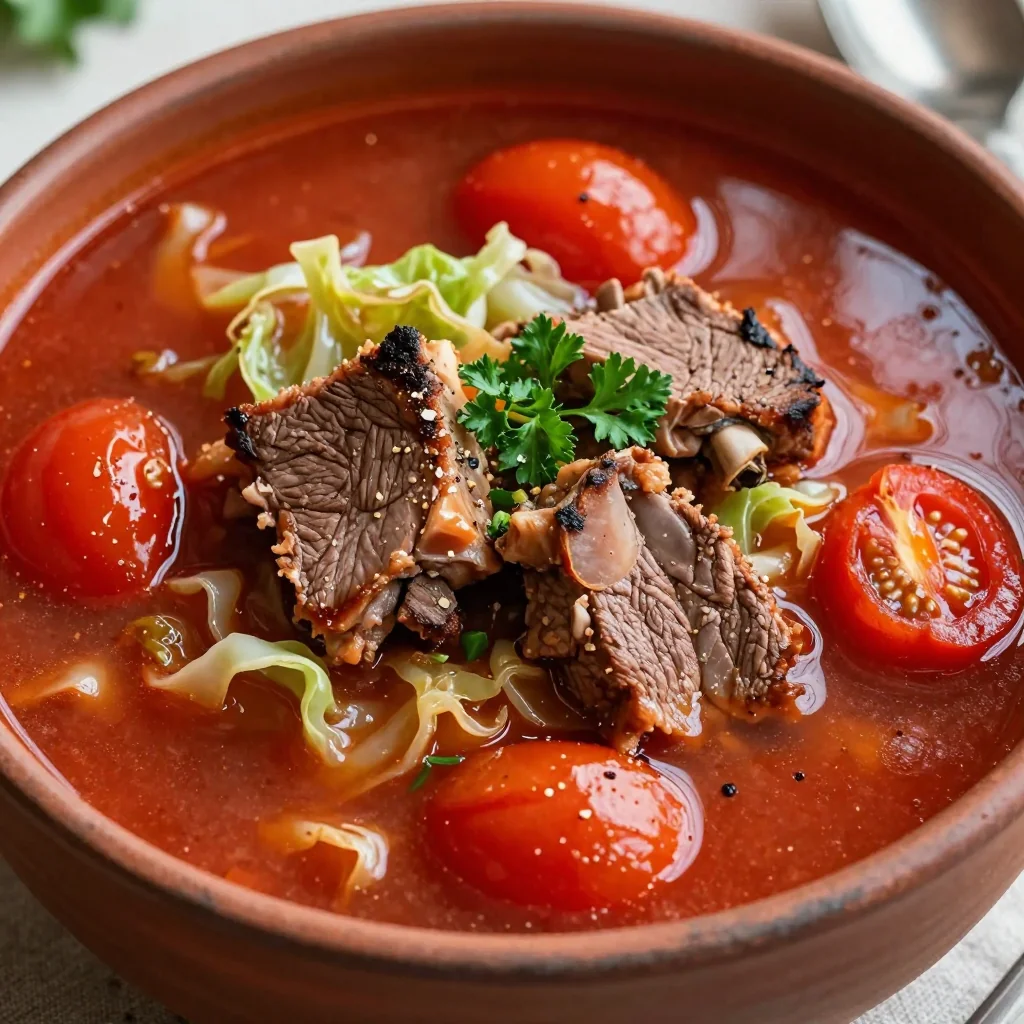
When the first snowflakes start to drift past my kitchen window and the thermometer refuses to climb above freezing, I reach for my largest soup pot and the comforting aroma of this Winter Beef and Cabbage Soup. It's more than just a recipe—it's my grandmother's legacy, simmered slowly on the back burner while my family gathers around the table, trading stories about our day as the soup transforms humble ingredients into liquid gold.
I remember one particularly brutal January evening when the wind howled like a pack of wolves outside our farmhouse. My grandmother, wearing her faded blue apron with tiny yellow flowers, stood at the stove browning beef for what she called her "winter survival soup." The kitchen filled with the rich scent of onions caramelizing in butter, beef sizzling in the pot, and the promise of warmth that would chase away the chill from our bones. She'd hum softly while chopping cabbage, her knife creating a steady rhythm against the wooden cutting board, occasionally pausing to adjust the heat or add a pinch of this or that.
Now, decades later, I make this same soup in my suburban kitchen, far from that farmhouse, but the magic remains unchanged. The canned tomatoes provide a bright acidity that balances the richness of the beef, while the cabbage melts into tender ribbons that somehow manage to be both delicate and substantial. Each spoonful carries with it the weight of tradition, the comfort of home, and the simple joy of feeding the people you love something that will nourish them body and soul.
Why This Recipe Works
- One-Pot Wonder: Everything cooks in a single pot, minimizing cleanup and maximizing flavor as ingredients mingle together.
- Budget-Friendly Brilliance: Uses economical cuts of beef and pantry staples like canned tomatoes to create restaurant-quality flavor.
- Comfort Food Enhanced: The long simmer transforms tough beef into fork-tender morsels while developing deep, complex flavors.
- Nutrient-Dense Delight: Packed with vegetables, protein, and warming spices that boost immunity during cold months.
- Freezer-Friendly: Makes excellent leftovers that freeze beautifully for up to 3 months.
- Adaptable Formula: Easily customizable based on dietary needs or what's in your pantry.
- Time-Tested Technique: Uses traditional slow-cooking methods that extract maximum flavor from simple ingredients.
Ingredients You'll Need
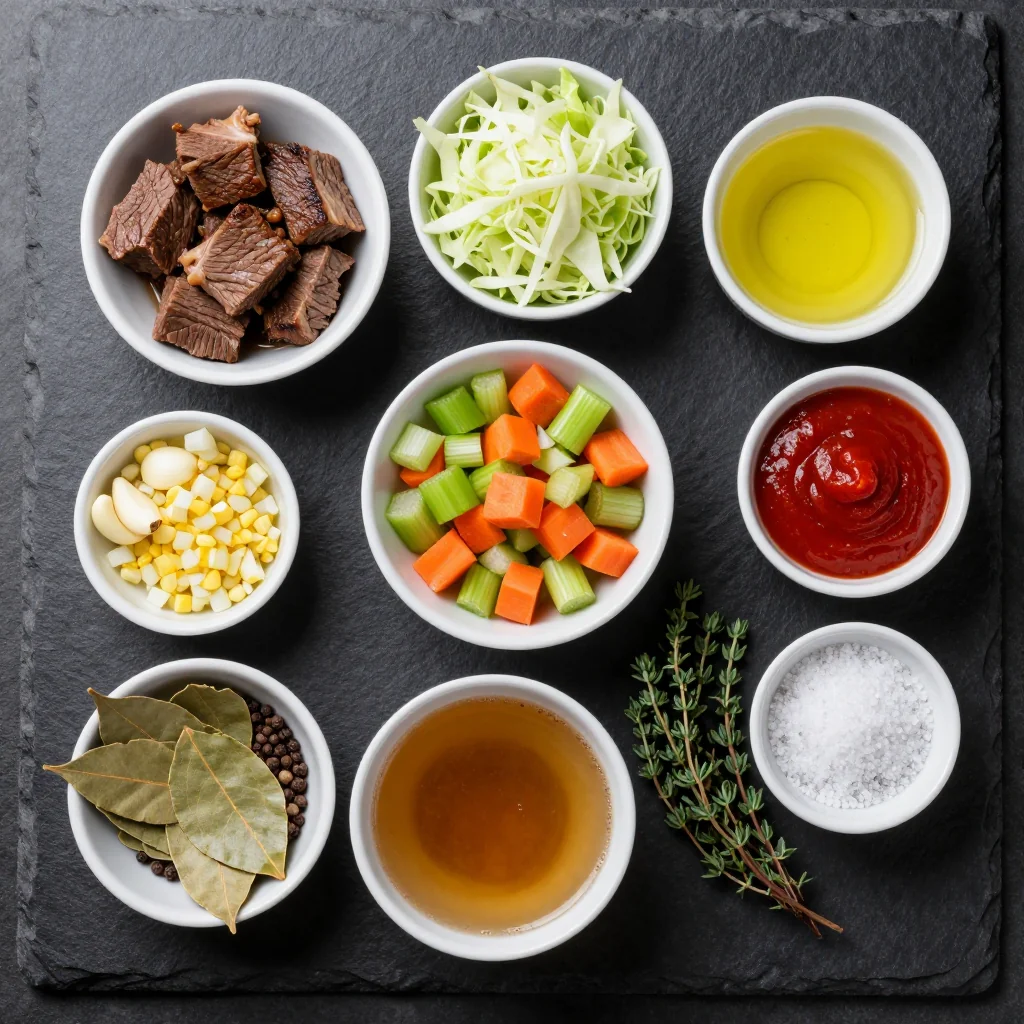
The beauty of this winter soup lies not in exotic ingredients, but in how everyday items transform through patient cooking. Each component plays a crucial role in building layers of flavor that will make your kitchen smell like heaven and your taste buds sing with joy.
The Beef Foundation
I prefer using chuck roast for this soup, cut into 1-inch cubes. This economical cut becomes incredibly tender during the long simmer, developing a melt-in-your-mouth texture that more expensive cuts simply can't achieve. Look for well-marbled meat with good fat distribution—these intramuscular fat pockets will render during cooking, naturally thickening your soup and adding incredible richness. If chuck isn't available, stewing beef or even brisket cut into chunks works beautifully. Avoid lean cuts like sirloin, which can become tough and dry.
Canned Tomatoes: The Flavor Catalyst
Whole peeled tomatoes packed in juice are my go-to choice here. They break down during cooking, creating a rich, velvety tomato base that ties all the flavors together. I always buy good-quality canned tomatoes—they're picked at peak ripeness and canned within hours, often tasting better than fresh winter tomatoes. San Marzano varieties offer exceptional sweetness and low acidity, but any quality brand works. Keep plenty of the canning juice; it's packed with flavor and natural umami that enhances the entire soup.
The Cabbage: Winter's Gift
Green cabbage is traditional and perfect for this soup, becoming tender yet maintaining pleasant texture. When selecting cabbage, look for heads that feel heavy for their size with tightly packed, crisp leaves. Avoid any with yellowing or soft spots. I typically use about half a medium head, sliced into thin strips that will cook down but not disappear completely into the soup. The cabbage adds natural sweetness and body, making this soup substantial enough for dinner.
Aromatic Vegetables
The holy trinity of onions, carrots, and celery forms the flavor foundation. Dice them small so they cook evenly and blend seamlessly into the soup. I like using sweet onions like Vidalia or Walla Walla when available, but yellow onions work perfectly. Fresh carrots should be firm and bright orange, while celery should snap crisply when bent. These humble vegetables, when sautéed properly, create the flavor base that makes restaurant-quality soups possible at home.
The Seasoning Symphony
Bay leaves, dried thyme, and smoked paprika create the warming spice profile that makes this soup distinctly winter-friendly. Fresh thyme can substitute dried—use three times as much. Smoked paprika adds subtle depth without heat, but regular paprika works if that's what you have. A touch of caraway seed is traditional in Eastern European versions and adds an intriguing note that complements both beef and cabbage beautifully.
The Liquid Gold
Beef broth forms the soup's backbone, but I often use half broth and half water to prevent the soup from becoming too rich. Low-sodium broth gives you control over seasoning—regular broth can make the soup overly salty as it reduces. For an extra layer of flavor, substitute one cup of broth with dry red wine. The alcohol cooks off, leaving behind complex fruity notes that elevate the entire dish.
How to Make Winter Beef and Cabbage Soup with Canned Tomatoes
Prepare Your Mise en Place
Start by patting your beef chunks dry with paper towels—this crucial step ensures proper browning instead of steaming. Season generously with salt and freshly ground black pepper on all sides. While the beef comes to room temperature (about 15 minutes), dice your onions, carrots, and celery into ½-inch pieces. Mince 4 garlic cloves and set aside. Slice cabbage into thin strips, discarding the tough core. Open your canned tomatoes and roughly crush them with your hands or kitchen shears while still in the can, reserving all juices.
Sear the Beef to Perfection
Heat 2 tablespoons of vegetable oil in a heavy-bottomed Dutch oven over medium-high heat until shimmering. Working in batches (crowding the pan causes steaming), sear beef cubes until deeply browned on all sides, about 8-10 minutes per batch. Don't rush this step—the caramelized fond (brown bits) on the bottom of the pot creates incredible flavor depth. Transfer seared beef to a plate. If the bottom of your pot looks dry between batches, add another teaspoon of oil. Deglaze with a splash of broth if necessary to prevent burning.
Build the Flavor Foundation
Reduce heat to medium and add diced onions to the pot with the rendered beef fat. Sauté until translucent and beginning to brown, about 5 minutes. Add carrots and celery, cooking for another 5 minutes until vegetables start to soften. Clear a space in the center of the pot, add minced garlic, and cook for 30 seconds until fragrant. Stir in 2 tablespoons of tomato paste and cook for 2 minutes, stirring constantly. This concentrates the tomato flavor and adds beautiful color to your soup.
Deglaze and Combine
Pour in ½ cup of dry red wine (optional but recommended), scraping the bottom of the pot with a wooden spoon to release all the flavorful browned bits. Let the wine bubble and reduce by half, about 3 minutes. Return the seared beef and any accumulated juices to the pot. Add the crushed tomatoes with their juice, 6 cups of beef broth, 2 bay leaves, 1 teaspoon dried thyme, ½ teaspoon smoked paprika, and ¼ teaspoon caraway seeds (if using). The liquid should just cover the beef and vegetables.
The Long, Slow Simmer
Bring the soup to a gentle simmer, then reduce heat to low. Cover partially with a lid, leaving a small gap for steam to escape. Simmer gently for 1 hour, stirring occasionally. This slow cooking allows the beef to become tender and flavors to meld. After an hour, taste and adjust seasoning with salt and pepper. The soup should be developing rich, complex flavors, but the beef will still need more time to become fork-tender.
Add the Cabbage Magic
After the first hour of simmering, add the sliced cabbage to the pot. It will seem like too much cabbage at first, but it cooks down significantly. Stir well to combine, ensuring the cabbage is submerged in the broth. Continue simmering for another 45 minutes to 1 hour, until the beef is fork-tender and the cabbage has melted into silky ribbons. The soup will thicken naturally as the cabbage releases its moisture and breaks down.
Final Adjustments and Serving
Remove bay leaves and taste the soup again. Adjust salt and pepper as needed—the flavors should be well-balanced with the beef broth providing savory depth, tomatoes adding brightness, and cabbage contributing subtle sweetness. If the soup is too thick, add hot broth or water to reach desired consistency. For a richer soup, stir in 2 tablespoons of butter or a splash of cream. Serve hot, garnished with fresh parsley or dill, alongside crusty bread for sopping up every last drop of the flavorful broth.
Expert Tips
Make-Ahead Magic
This soup tastes even better the next day! Make it entirely ahead, refrigerate overnight, and reheat gently. The flavors meld and intensify, creating an even more delicious soup. If it thickens too much, thin with a splash of broth when reheating.
Freezer Success
Freeze individual portions in airtight containers for up to 3 months. Leave 1 inch of space at the top for expansion. Thaw overnight in the refrigerator, then reheat slowly on the stovetop, stirring occasionally.
Speed It Up
Short on time? Use a pressure cooker or Instant Pot. Sear beef using the sauté function, then cook on high pressure for 25 minutes. Quick release, add cabbage, and cook for another 5 minutes on high pressure.
Browning Secret
The key to deep flavor is properly browned beef. Don't crowd the pan, and resist the urge to flip the meat too early. Let it develop a deep brown crust before turning—this caramelization adds incredible depth.
Thickening Tricks
For a thicker soup, mash some of the cooked vegetables against the side of the pot with a spoon, or remove 2 cups of soup, blend until smooth, and return to the pot. This naturally thickens without added starch.
Color Boost
For a more vibrant color, add a tablespoon of tomato paste when sautéing the vegetables. This concentrates the tomato flavor and adds beautiful depth to the soup's appearance without overwhelming other flavors.
Variations to Try
Vegetarian Version
Replace beef with 2 cans of white beans and use vegetable broth. Add 8 ounces of sliced mushrooms for umami depth. The cooking time reduces to 30 minutes, making this a perfect weeknight vegetarian option.
Spicy Kick
Add 1 teaspoon of smoked paprika and ½ teaspoon of cayenne pepper for warmth. Include a diced jalapeño with the vegetables, or add 1 tablespoon of hot sauce to the finished soup for those who like it fiery.
Eastern European Style
Add 1 tablespoon of caraway seeds, 2 bay leaves, and finish with 2 tablespoons of fresh dill. Serve with a dollop of sour cream and dark rye bread for an authentic touch that honors traditional recipes.
Summer Garden Version
Substitute fresh tomatoes for canned when in season (2 pounds, chopped). Add 1 cup of fresh corn kernels, 1 diced bell pepper, and 1 cup of green beans during the last 20 minutes of cooking for a lighter, seasonal variation.
Storage Tips
Refrigerator Storage
Cool the soup completely before storing in airtight containers. It keeps beautifully in the refrigerator for up to 4 days. The flavors actually improve after the first day as they meld together. When reheating, add a splash of broth or water if the soup has thickened too much during storage.
Freezer Instructions
This soup freezes exceptionally well! Portion into freezer-safe containers, leaving 1 inch of headspace for expansion. Freeze for up to 3 months. For best results, thaw overnight in the refrigerator before reheating. If you're in a hurry, you can reheat from frozen in a covered pot over low heat, stirring occasionally and adding liquid as needed.
Make-Ahead Meal Prep
Double the recipe and freeze half for future meals. The soup makes excellent lunch portions that can be reheated in the microwave or on the stovetop. I like to freeze individual servings in quart-size freezer bags, laying them flat to freeze, then stacking them vertically to save space.
Frequently Asked Questions
Absolutely! Ground beef works well and reduces cooking time significantly. Use 1½ pounds of 80/20 ground beef for the best flavor. Brown it thoroughly, breaking it into small pieces, then proceed with the recipe. The soup will be ready in about 45 minutes total instead of 2 hours. The texture will be different but equally delicious.
You can substitute 2½ cups of crushed fresh tomatoes, 2 cups of tomato sauce, or even 3 tablespoons of tomato paste diluted with water. In a pinch, 2 cups of salsa works surprisingly well, adding extra flavor dimensions. The soup won't be exactly the same but will still be hearty and satisfying.
The beef is ready when you can easily pierce it with a fork and the fibers separate with gentle pressure. It shouldn't require any force to cut. If it's still tough, continue simmering and check every 15 minutes. Different cuts of beef may require slightly different cooking times, so patience is key!
Yes! Brown the beef and sauté vegetables as directed, then transfer everything to your slow cooker. Add all ingredients except cabbage. Cook on LOW for 6-7 hours or HIGH for 3-4 hours. Add cabbage during the last hour of cooking. The slow cooker method is perfect for busy days when you want to come home to a hot, ready meal.
This substantial soup needs little accompaniment, but crusty bread, garlic toast, or homemade dinner rolls are perfect for sopping up the flavorful broth. A simple green salad with vinaigrette provides a bright contrast. For a heartier meal, serve over egg noodles, rice, or mashed potatoes.
Soup thickness can vary based on cabbage moisture content and evaporation during cooking. Too thin? Simmer uncovered for 15-20 minutes to reduce, or mash some vegetables against the pot side. Too thick? Add hot broth or water until desired consistency is reached. Remember, soup will thicken as it cools and when refrigerated.
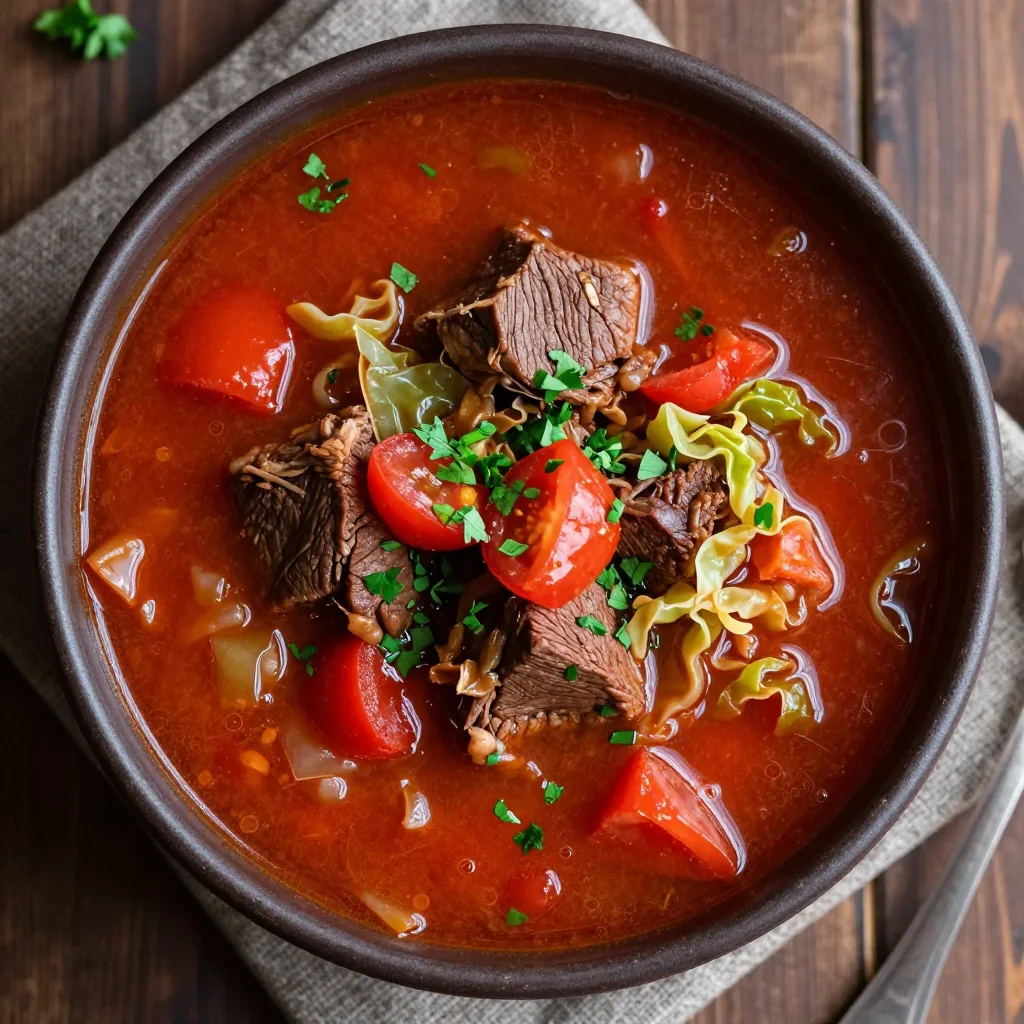
Winter Beef and Cabbage Soup with Canned Tomatoes
Ingredients
Instructions
- Prep and Sear: Pat beef dry, season with salt and pepper. Heat oil in Dutch oven over medium-high heat. Sear beef in batches until deeply browned, 8-10 minutes per batch. Transfer to plate.
- Build Base: Reduce heat to medium. Add onions to pot, sauté until translucent. Add carrots and celery, cook 5 minutes. Add garlic, cook 30 seconds. Stir in tomato paste, cook 2 minutes.
- Deglaze: Pour in wine (if using), scraping bottom of pot. Let reduce by half. Return beef and juices to pot.
- Simmer: Add tomatoes with juice, broth, bay leaves, thyme, paprika, and caraway. Bring to simmer, cover partially, and cook 1 hour.
- Add Cabbage: Stir in cabbage, continue simmering 45-60 minutes until beef is fork-tender.
- Finish: Remove bay leaves, season to taste. Serve hot garnished with parsley.
Recipe Notes
For best results, make this soup a day ahead—the flavors meld beautifully overnight. If too thick after refrigerating, thin with hot broth when reheating. This soup freezes exceptionally well for up to 3 months.