Baked Salmon
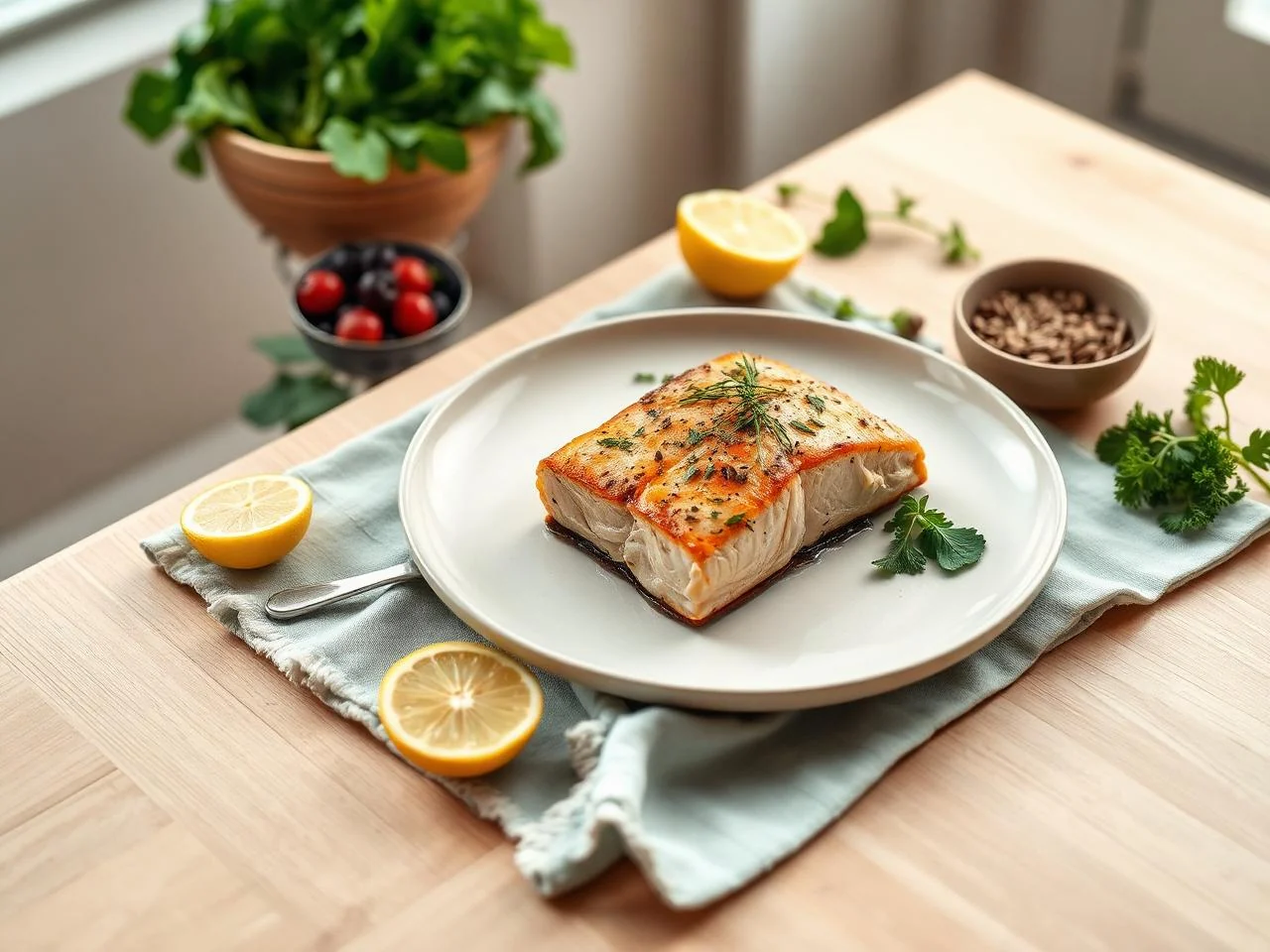
I still remember the day my father was diagnosed with type-2 diabetes. It was a wake-up call for our entire family to re-evaluate our eating habits. As a home cook, I took it upon myself to learn more about blood-sugar-friendly cooking. One of the first dishes I mastered was baked salmon, a recipe that has become a staple in our household.
This recipe is not only delicious, but it's also incredibly easy to make. The key is to use fresh, high-quality ingredients and to not overcomplicate the cooking process. With just a few simple steps, you can create a dish that's both healthy and flavorful.
What I love about this recipe is that it's perfect for any occasion. Whether you're cooking for a weeknight dinner or a special occasion, baked salmon is sure to impress. And the best part is that it's a great way to get your daily dose of omega-3 fatty acids, which are essential for heart health.
In this recipe, we'll be using a combination of lemon juice, olive oil, and herbs to create a flavorful sauce that complements the salmon perfectly. We'll also be discussing the importance of cooking the salmon to the right temperature to ensure food safety.
So, if you're looking for a healthy and delicious recipe that's perfect for any occasion, look no further than this baked salmon recipe. With its simple ingredients and easy-to-follow instructions, you'll be enjoying a mouth-watering meal in no time.
Why You’ll Love This Recipe
- This recipe is easy to make and requires minimal ingredients.
- It's a healthy and balanced meal that's perfect for any occasion.
- The combination of flavors and textures creates a delicious and savory dish.
- It's a great way to get your daily dose of omega-3 fatty acids.
- The recipe is versatile and can be paired with a variety of sides and salads.
Why This Recipe Works
The key to this recipe is the combination of flavors and textures that we use to complement the salmon. By using a mixture of lemon juice, olive oil, and herbs, we create a sauce that's both tangy and savory. The acidity of the lemon juice helps to break down the proteins in the salmon, making it tender and flaky.
Another important aspect of this recipe is the cooking technique. By baking the salmon in the oven, we're able to cook it evenly and prevent it from drying out. This is especially important when cooking fish, as it can quickly become overcooked and tough.
The use of a thermometer to check the internal temperature of the salmon is also crucial. By cooking the salmon to an internal temperature of 145 F (63 C), we can ensure that it's cooked to a safe temperature and is free from any foodborne pathogens.
Finally, the resting time after cooking is essential to allow the juices to redistribute and the salmon to retain its moisture. This helps to create a tender and flavorful dish that's sure to impress.
Ingredients You’ll Need
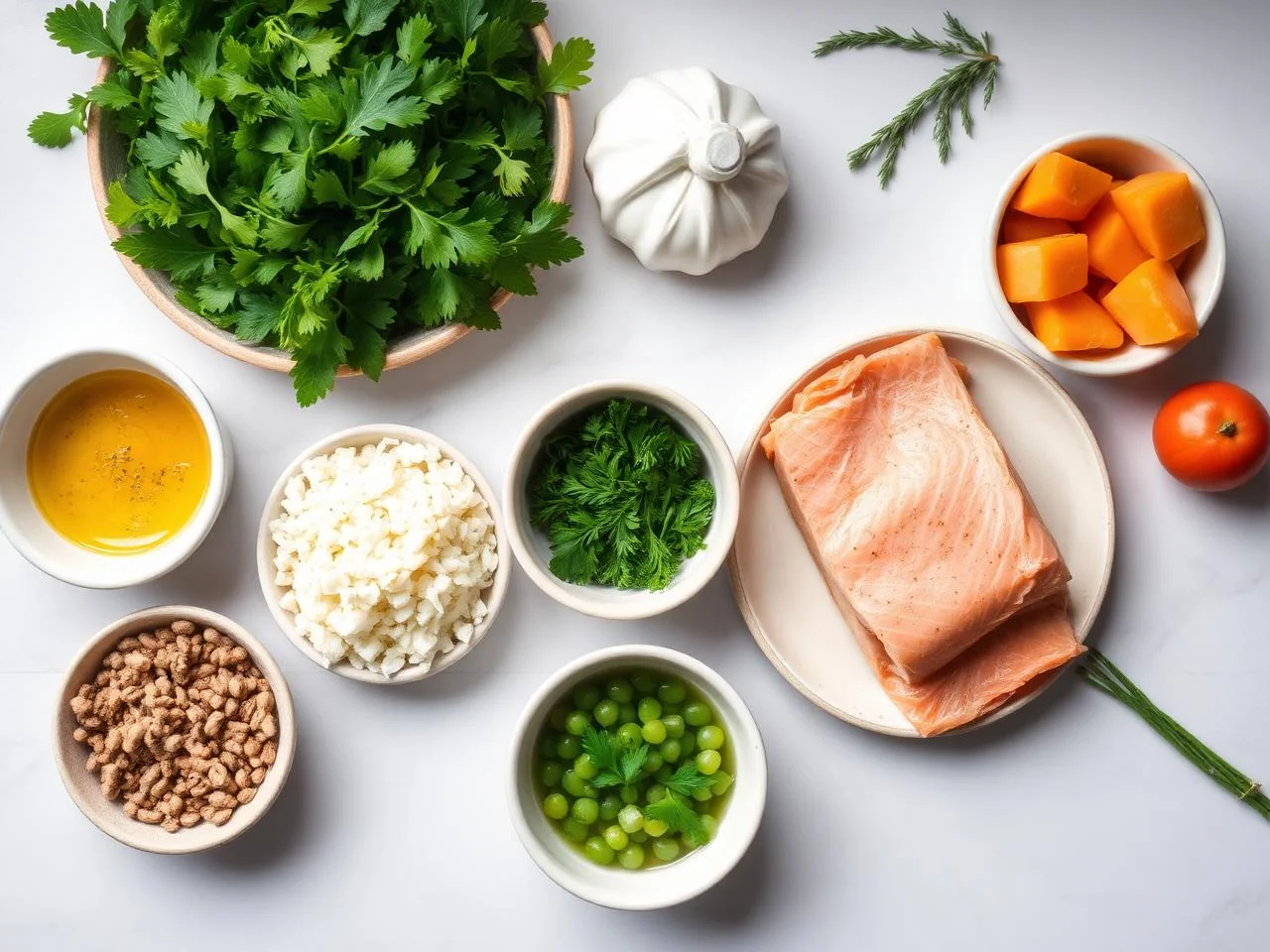
When it comes to selecting ingredients for this recipe, it's all about using the freshest and highest-quality options available. For the salmon, look for wild-caught Alaskan or Pacific salmon, as these tend to have a higher fat content and a more robust flavor. For the herbs, choose fresh parsley, dill, or thyme, as these will add a bright and refreshing flavor to the dish.
Be sure to also have the following ingredients on hand: olive oil, lemon juice, garlic, salt, and pepper. With these simple ingredients, you'll be able to create a dish that's both healthy and delicious.
- 4 salmon fillets, 6 oz (170g) eachLook for wild-caught Alaskan or Pacific salmon for the best flavor and texture. Make sure to pat the salmon dry with a paper towel before cooking to remove excess moisture.
- 2 tbsp olive oilUse a high-quality olive oil that's rich in flavor and has a smooth texture. This will help to create a delicious and savory sauce.
- 2 tbsp lemon juiceFreshly squeezed lemon juice is best, as it will have a brighter and more vibrant flavor. Be sure to strain the juice to remove any seeds or pulp.
- 2 cloves garlic, mincedUse fresh garlic for the best flavor. Mince the garlic finely to ensure it cooks evenly and doesn't overpower the dish.
- 1 tsp dried thymeDried thyme is a great option for this recipe, as it will add a subtle and savory flavor. Be sure to crush the thyme between your fingers to release its oils and flavor.
- 1 tsp saltUse a high-quality salt that's free from additives and has a smooth texture. This will help to bring out the flavors of the other ingredients and add depth to the dish.
- 1/2 tsp black pepperFreshly ground black pepper is best, as it will have a more vibrant and complex flavor. Be sure to grind the pepper just before using to ensure its flavor and aroma are preserved.
- 1/4 cup chopped fresh parsleyFresh parsley is a great addition to this recipe, as it will add a bright and refreshing flavor. Be sure to chop the parsley finely to ensure it distributes evenly throughout the dish.
- 2 lemons, cut into wedgesUse fresh lemons for the best flavor. Cut the lemons into wedges and serve on the side, as they will add a nice acidity and flavor to the dish.
- 1/4 cup chopped fresh dillFresh dill is a great addition to this recipe, as it will add a bright and refreshing flavor. Be sure to chop the dill finely to ensure it distributes evenly throughout the dish.
Equipment You’ll Need
How to Make Baked Salmon
- 1Preheat the oven to 400 F (200 C). Line a large baking sheet with parchment paper and set aside.
- 2In a small bowl, whisk together the olive oil, lemon juice, garlic, thyme, salt, and pepper.
- 3Place the salmon fillets on the prepared baking sheet, leaving about 1 inch (2.5 cm) of space between each fillet.
- 4Brush the tops of the salmon fillets with the lemon juice mixture, making sure to coat them evenly.
- 5Sprinkle the chopped parsley and dill over the top of the salmon fillets.
- 6Bake the salmon in the preheated oven for 12-15 minutes, or until it reaches an internal temperature of 145 F (63 C). Use an instant-read thermometer to check the internal temperature in the thickest part of the salmon.
- 7Remove the salmon from the oven and let it rest for 5 minutes before serving.
- 8Serve the salmon hot, with lemon wedges on the side.
- 9Garnish with additional parsley and dill, if desired.
- 10Pair the salmon with your favorite sides, such as roasted vegetables or quinoa.
- 11Store any leftovers in an airtight container in the refrigerator for up to 3 days.
Expert Tips
- Make sure to pat the salmon dry with a paper towel before cooking to remove excess moisture.
- Use a high-quality olive oil that's rich in flavor and has a smooth texture.
- Don't overcook the salmon, as it can become dry and tough.
- Let the salmon rest for 5 minutes before serving to allow the juices to redistribute.
- Pair the salmon with a variety of sides, such as roasted vegetables or quinoa, to create a well-rounded meal.
- Experiment with different herbs and spices to find the combination that you enjoy the most.
- Consider using a cast-iron skillet or oven-safe pan to cook the salmon, as it will help to create a crispy crust on the bottom.
- Don't be afraid to get creative with the recipe and add your own favorite ingredients or spices.
Common Mistakes to Avoid
- Overcooking the salmon, which can make it dry and tough.
- Not using a thermometer to check the internal temperature of the salmon, which can lead to foodborne illness.
- Not letting the salmon rest before serving, which can cause the juices to run out and the fish to become dry.
- Not using fresh and high-quality ingredients, which can affect the flavor and texture of the dish.
- Not patting the salmon dry before cooking, which can cause excess moisture to accumulate and affect the texture of the fish.
- Not whisking the lemon juice mixture well, which can cause the flavors to not distribute evenly.
Variations and Substitutions
- Try using different types of fish, such as cod or tilapia, for a different flavor and texture.
- Add some heat to the dish by sprinkling a pinch of red pepper flakes over the top of the salmon.
- Use fresh herbs, such as basil or rosemary, for a different flavor profile.
- Add some acidity to the dish by squeezing a bit of fresh lemon juice over the top of the salmon.
- Try using a different type of oil, such as avocado oil or grapeseed oil, for a different flavor and texture.
- Add some smokiness to the dish by sprinkling a bit of smoked paprika over the top of the salmon.
- Use a combination of lemon juice and white wine for a richer and more complex flavor.
What to Serve With Baked Salmon
This baked salmon recipe is perfect for serving with a variety of sides, such as roasted vegetables, quinoa, or a salad. Consider pairing it with a side of roasted asparagus or Brussels sprouts for a well-rounded and healthy meal.
For a more substantial meal, try serving the salmon with a side of brown rice or whole-grain bread. You could also add some sautéed spinach or green beans to the dish for an extra burst of nutrients.
Make-Ahead, Storage, Freezing and Reheating
If you have any leftovers from this recipe, be sure to store them in an airtight container in the refrigerator for up to 3 days. You can also freeze the salmon for up to 2 months, although it's best to consume it within a month for optimal flavor and texture.
To reheat the salmon, simply place it in the oven at 350 F (180 C) for about 10-12 minutes, or until it's heated through. You can also reheat it in the microwave, although be careful not to overheat it, as it can become dry and tough.
When reheating the salmon, be sure to check its internal temperature to ensure it reaches 145 F (63 C) again. This will help to prevent foodborne illness and ensure the salmon is safe to eat.
Finally, consider using a vacuum sealer or airtight container to store the salmon, as this will help to preserve its flavor and texture. You can also add a bit of lemon juice or olive oil to the container to help keep the salmon moist and flavorful.
Frequently Asked Questions
What type of salmon is best for this recipe?
Wild-caught Alaskan or Pacific salmon is best, as it has a higher fat content and a more robust flavor. However, you can also use farmed salmon or other types of fish, such as cod or tilapia, for a different flavor and texture.
How do I know if the salmon is cooked?
The best way to determine if the salmon is cooked is to use an instant-read thermometer to check its internal temperature. The internal temperature should reach 145 F (63 C) for food safety. You can also check for doneness by inserting a fork or knife into the thickest part of the salmon. If it flakes easily and is opaque, it's cooked.
Can I use frozen salmon for this recipe?
Yes, you can use frozen salmon for this recipe, although it's best to thaw it first. Simply place the frozen salmon in the refrigerator overnight or thaw it quickly by submerging it in cold water. Be sure to pat the salmon dry with a paper towel before cooking to remove excess moisture.
How do I prevent the salmon from sticking to the baking sheet?
To prevent the salmon from sticking to the baking sheet, be sure to line it with parchment paper or aluminum foil. You can also brush the baking sheet with a bit of olive oil or cooking spray to help prevent sticking.
Can I make this recipe ahead of time?
Yes, you can make this recipe ahead of time. Simply prepare the salmon and store it in an airtight container in the refrigerator for up to a day. Then, simply bake it in the oven when you're ready to serve.
What are some variations I can make to this recipe?
There are many variations you can make to this recipe, such as using different types of fish, adding different herbs or spices, or serving it with different sides. Consider trying out different combinations to find the one you enjoy the most.
Is this recipe healthy?
Yes, this recipe is healthy, as it uses fresh and high-quality ingredients, such as wild-caught salmon, olive oil, and lemon juice. It's also low in calories and rich in nutrients, such as omega-3 fatty acids and protein.
Can I serve this recipe to a large group?
Yes, you can serve this recipe to a large group. Simply multiply the ingredients and adjust the cooking time as needed. Be sure to use a large enough baking sheet to accommodate all of the salmon fillets.
What are some common mistakes to avoid when making this recipe?
Some common mistakes to avoid when making this recipe include overcooking the salmon, not using a thermometer to check the internal temperature, and not letting the salmon rest before serving. Be sure to follow the recipe carefully and take the necessary precautions to ensure the salmon is cooked to perfection.
Ingredients
- 4 salmon fillets, 6 oz (170g) each
- 2 tbsp olive oil
- 2 tbsp lemon juice
- 2 cloves garlic, minced
- 1 tsp dried thyme
- 1 tsp salt
- 1/2 tsp black pepper
- 1/4 cup chopped fresh parsley
- 2 lemons, cut into wedges
- 1/4 cup chopped fresh dill
Instructions
- Preheat the oven to 400 F (200 C). Line a large baking sheet with parchment paper and set aside.
- In a small bowl, whisk together the olive oil, lemon juice, garlic, thyme, salt, and pepper.
- Place the salmon fillets on the prepared baking sheet, leaving about 1 inch (2.5 cm) of space between each fillet.
- Brush the tops of the salmon fillets with the lemon juice mixture, making sure to coat them evenly.
- Sprinkle the chopped parsley and dill over the top of the salmon fillets.
- Bake the salmon in the preheated oven for 12-15 minutes, or until it reaches an internal temperature of 145 F (63 C). Use an instant-read thermometer to check the internal temperature in the thickest part of the salmon.
- Remove the salmon from the oven and let it rest for 5 minutes before serving.
- Serve the salmon hot, with lemon wedges on the side.
- Garnish with additional parsley and dill, if desired.
- Pair the salmon with your favorite sides, such as roasted vegetables or quinoa.
- Store any leftovers in an airtight container in the refrigerator for up to 3 days.