
Cheesecake
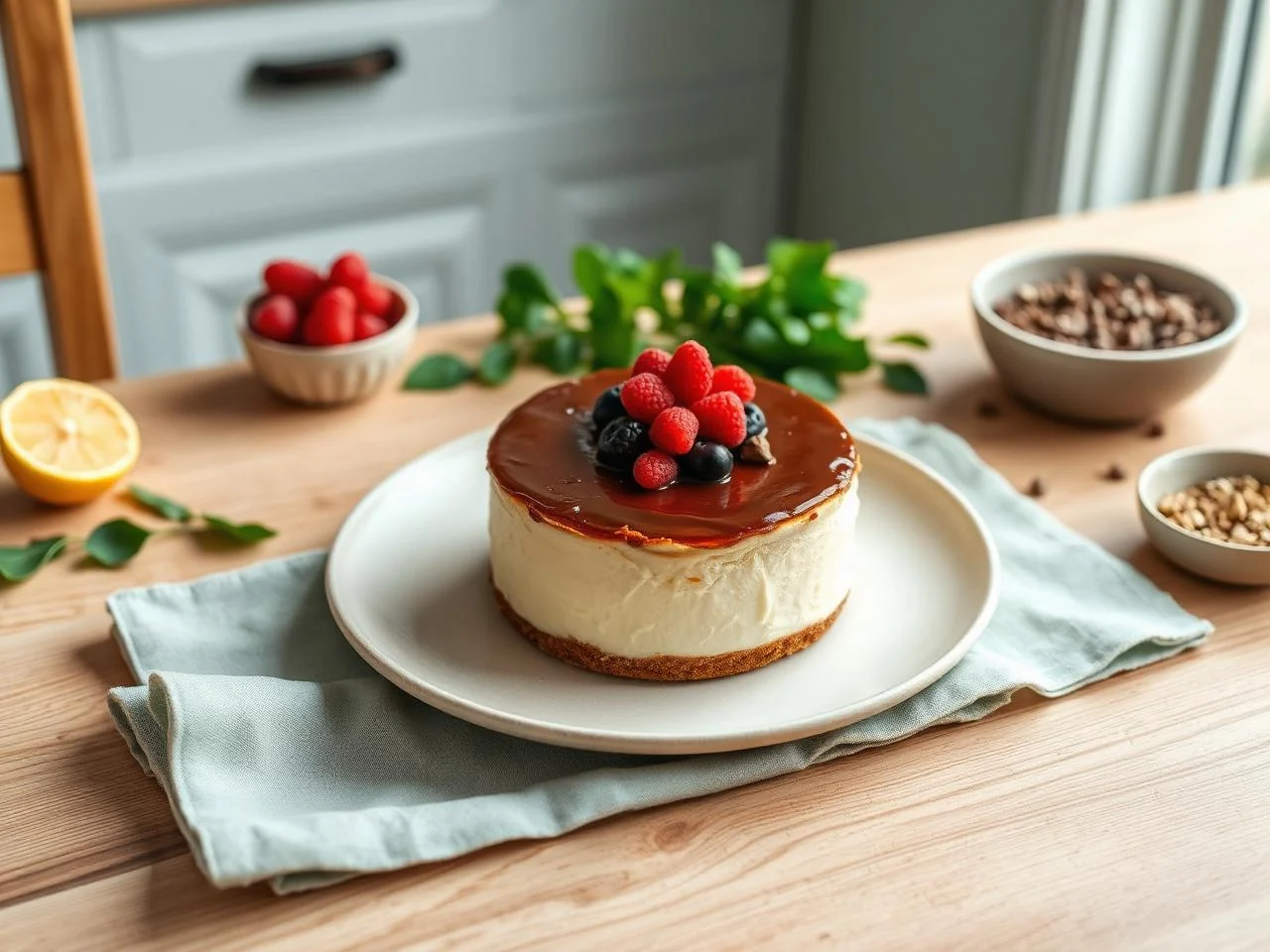
I still remember the first time I made a cheesecake from scratch. It was for my father's birthday, and I was determined to create a dessert that would impress him. With the help of my grandmother, I learned the basics of cheesecake making and have since perfected the recipe to make it blood-sugar-friendly.
One of the things I love about cheesecake is its versatility. You can customize it with your favorite flavors, from classic vanilla to decadent chocolate. And, with a few simple substitutions, you can make it a healthier option for those with dietary restrictions.
In this recipe, I'll show you how to make a classic cheesecake with a graham cracker crust, a creamy cheesecake filling, and a blood-sugar-friendly twist. We'll use natural sweeteners like honey and stevia, and incorporate high-fiber ingredients like oats and nuts to make it a more balanced dessert.
Whether you're a seasoned baker or a beginner in the kitchen, this recipe is perfect for anyone looking to create a delicious and healthier dessert option. So, let's get started and make a cheesecake that's sure to impress!
Before we begin, I want to emphasize the importance of using high-quality ingredients and following the recipe carefully. Cheesecake can be a bit finicky, but with the right techniques and ingredients, you'll be rewarded with a creamy and delicious dessert that's sure to become a favorite.
Why You’ll Love This Recipe
- This cheesecake recipe is easy to make and requires minimal special equipment
- It's a healthier dessert option, made with natural sweeteners and high-fiber ingredients
- It's perfect for special occasions, like birthdays and holidays
- It's a versatile recipe that can be customized with your favorite flavors
- It's a great way to satisfy your sweet tooth, without feeling guilty
- It's a blood-sugar-friendly dessert option, made with natural ingredients and minimal refined sugar
Why This Recipe Works
So, what makes this cheesecake recipe work? First, it's all about the crust. A good crust provides a solid foundation for the cheesecake, and helps to prevent it from cracking or breaking. In this recipe, we'll use a combination of graham cracker crumbs, oats, and nuts to create a crunchy and flavorful crust.
Next, it's all about the filling. A creamy cheesecake filling is essential, and we'll achieve this by using a combination of cream cheese, Greek yogurt, and natural sweeteners like honey and stevia. We'll also incorporate high-fiber ingredients like oats and nuts to make the filling more balanced and satisfying.
Finally, it's all about the baking and cooling process. Cheesecake needs to be baked slowly and carefully, to prevent it from cracking or breaking. We'll use a water bath to help regulate the temperature, and ensure that the cheesecake cools slowly and evenly.
Ingredients You’ll Need
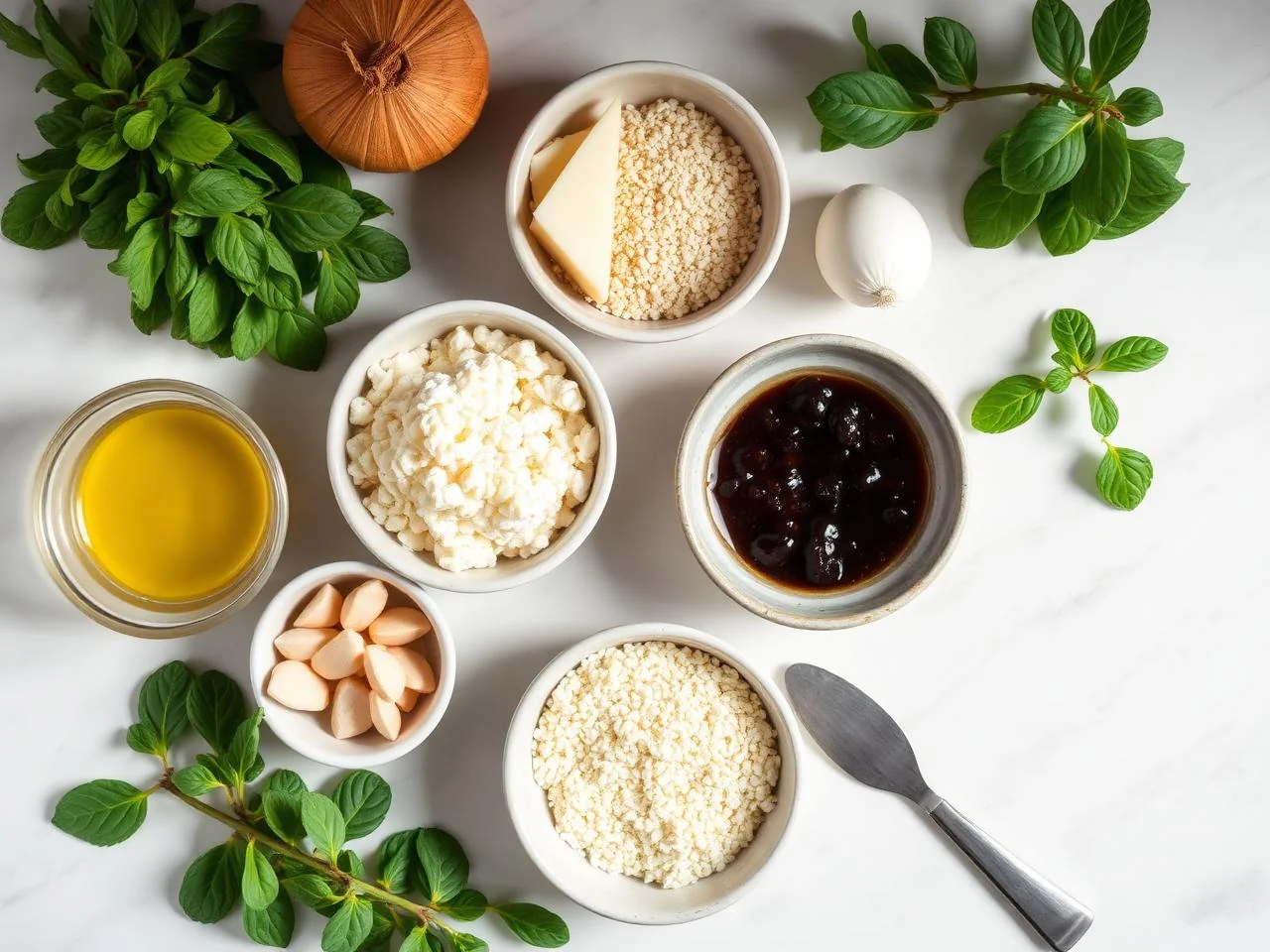
When it comes to making a cheesecake, the ingredients are just as important as the technique. We'll be using a combination of high-quality ingredients, including graham cracker crumbs, cream cheese, Greek yogurt, and natural sweeteners like honey and stevia. Be sure to choose the best ingredients you can find, and don't be afraid to experiment with different flavors and combinations.
Here are a few tips for shopping for ingredients: look for high-quality graham cracker crumbs that are low in added sugars, choose full-fat cream cheese for the best flavor and texture, and opt for natural sweeteners like honey and stevia instead of refined sugar.
- 1 1/2 cups graham cracker crumbsLook for high-quality graham cracker crumbs that are low in added sugars and made with whole grains
- 1/2 cup rolled oatsRolled oats add fiber and texture to the crust, and can be substituted with other high-fiber ingredients like nuts or seeds
- 1/4 cup chopped nutsChopped nuts add crunch and flavor to the crust, and can be substituted with other nuts or seeds
- 1/2 cup granulated sweetenerGranulated sweetener like honey or stevia adds sweetness to the crust without refined sugar
- 1/2 cup unsalted butter, meltedUnsalted butter adds flavor and moisture to the crust, and can be substituted with other oils or fats
- 16 oz cream cheese, softenedFull-fat cream cheese is essential for the best flavor and texture, and can be substituted with lower-fat options for a lighter dessert
- 1/2 cup Greek yogurtGreek yogurt adds moisture and protein to the filling, and can be substituted with other high-protein ingredients like cottage cheese or milk
- 1/2 cup natural sweetenerNatural sweetener like honey or stevia adds sweetness to the filling without refined sugar
- 2 large eggsEggs add moisture and richness to the filling, and can be substituted with other binders like flax or chia seeds
- 1 tsp vanilla extractVanilla extract adds flavor and aroma to the filling, and can be substituted with other extracts like almond or coconut
Equipment You’ll Need
How to Make Cheesecake
- 1Preheat the oven to 325 F, and prepare the water bath by filling a large pan with water to a depth of about 1 inch
- 2In a medium bowl, mix together the graham cracker crumbs, rolled oats, chopped nuts, and granulated sweetener, until well combined
- 3Stir in the melted butter until the crust mixture is evenly moistened, and press it into the prepared pan
- 4Bake the crust for 10-12 minutes, or until it is lightly browned and set, and check the crust for doneness by inserting a toothpick into the center, it should come out clean
- 5In a large mixing bowl, beat the cream cheese until it is smooth and creamy, and add the Greek yogurt, natural sweetener, eggs, and vanilla extract, beating until well combined
- 6Pour the filling over the baked crust, and smooth the top with a rubber spatula
- 7Bake the cheesecake for 45-50 minutes, or until the edges are set and the center is just slightly jiggly, and check the cheesecake for doneness by inserting an instant-read thermometer into the center, it should read 150-155 F
- 8Remove the cheesecake from the oven, and let it cool in the pan for 10 minutes, before running a knife around the edges and releasing the springform
- 9Let the cheesecake cool completely on a wire rack, before serving, and check the cheesecake for cooling by feeling the pan, it should be cool to the touch
- 10Once the cheesecake is cool, refrigerate it for at least 4 hours, or overnight, before serving
Expert Tips
- To ensure a smooth and creamy cheesecake, make sure to beat the cream cheese until it is smooth and creamy, before adding the other ingredients
- To prevent the cheesecake from cracking, make sure to bake it slowly and carefully, and avoid overmixing the batter
- To add flavor and texture to the cheesecake, try adding different mix-ins like nuts, fruit, or chocolate chips
- To make a healthier cheesecake, try using natural sweeteners like honey or stevia, and incorporating high-fiber ingredients like oats and nuts
- To make a cheesecake ahead of time, bake and cool it as directed, then refrigerate or freeze it until serving
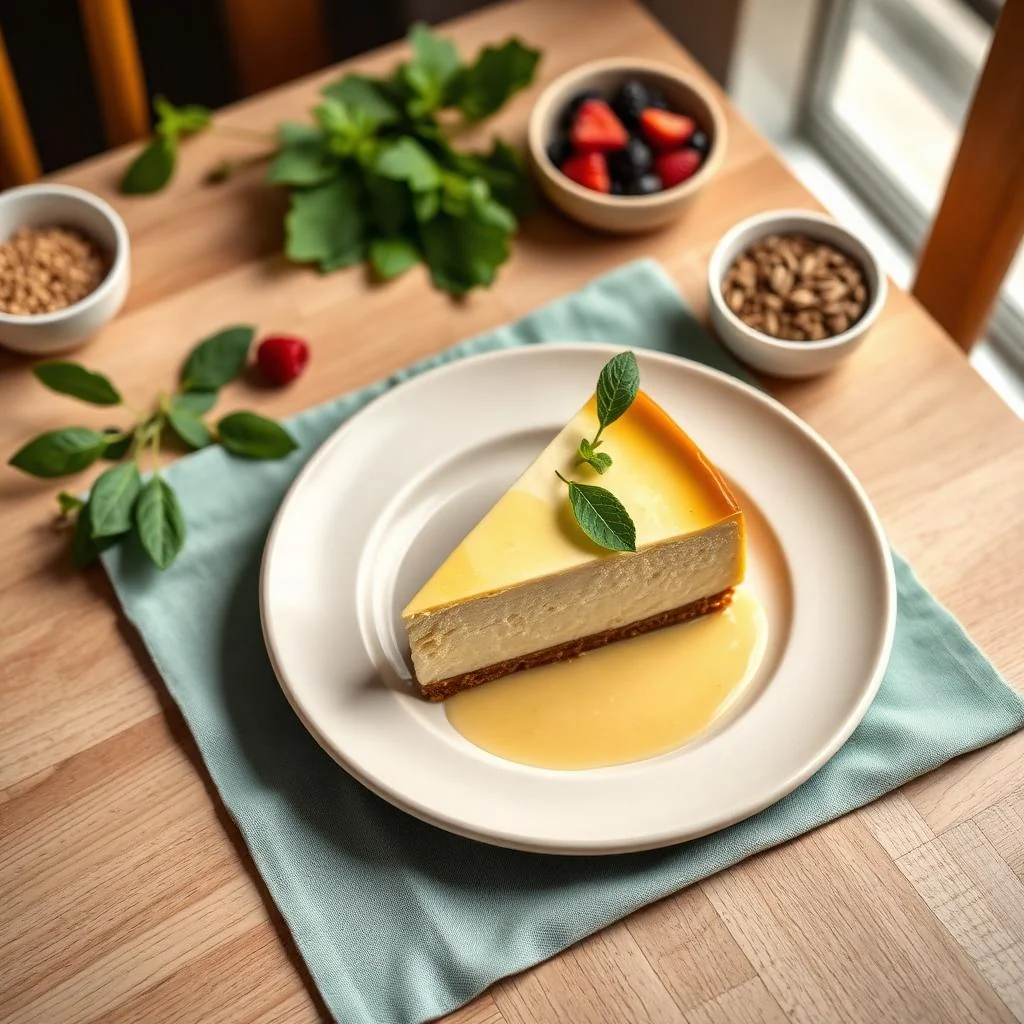
- To serve the cheesecake, slice it into thin pieces, and serve with your favorite toppings, like fresh fruit or whipped cream
Common Mistakes to Avoid
- Overmixing the batter, which can cause the cheesecake to crack or become tough
- Not baking the cheesecake slowly and carefully, which can cause it to crack or become overcooked
- Not letting the cheesecake cool completely, which can cause it to become soggy or fall apart
- Not using high-quality ingredients, which can affect the flavor and texture of the cheesecake
- Not following the recipe carefully, which can cause the cheesecake to fail or become unappetizing
Variations and Substitutions
- Try adding different mix-ins like nuts, fruit, or chocolate chips to the batter for added flavor and texture
- Try using different types of milk or yogurt, like almond or coconut milk, for a non-dairy cheesecake
- Try using different types of sugar or sweetener, like honey or maple syrup, for a different flavor
- Try adding a layer of fruit or caramel sauce to the top of the cheesecake for added flavor and texture
- Try using a different type of crust, like a nut or seed crust, for a different flavor and texture
What to Serve With Cheesecake
Cheesecake is a versatile dessert that can be served in a variety of ways. Try serving it with a scoop of ice cream or a dollop of whipped cream, or with a side of fresh fruit or caramel sauce. You can also try serving it with a cup of coffee or tea, or with a glass of wine or champagne.
Some other ideas for serving cheesecake include: serving it with a side of nuts or chocolate chips, serving it with a drizzle of honey or maple syrup, or serving it with a sprinkle of cinnamon or cocoa powder.
Make-Ahead, Storage, Freezing and Reheating
Cheesecake can be stored in the refrigerator for up to 5 days, or frozen for up to 2 months. To store it in the refrigerator, simply wrap it tightly in plastic wrap or aluminum foil, and refrigerate it at a temperature of 40 F or below.
To freeze the cheesecake, wrap it tightly in plastic wrap or aluminum foil, and place it in a freezer-safe bag or container. Frozen cheesecake can be thawed in the refrigerator or at room temperature, and served as desired.
When storing cheesecake, it's also important to consider the texture and consistency. Cheesecake can become dry and crumbly if it's overbaked or overcooled, so it's best to store it in an airtight container to keep it fresh and moist.
Frequently Asked Questions
What is the best way to ensure a smooth and creamy cheesecake?
To ensure a smooth and creamy cheesecake, make sure to beat the cream cheese until it is smooth and creamy, before adding the other ingredients. Also, make sure to bake the cheesecake slowly and carefully, and avoid overmixing the batter
How do I prevent the cheesecake from cracking?
To prevent the cheesecake from cracking, make sure to bake it slowly and carefully, and avoid overmixing the batter. Also, make sure to let the cheesecake cool completely in the pan, before releasing the springform and slicing it
Can I make a healthier cheesecake?
Yes, you can make a healthier cheesecake by using natural sweeteners like honey or stevia, and incorporating high-fiber ingredients like oats and nuts. You can also try using lower-fat cream cheese or Greek yogurt, and adding in some extra protein like eggs or cottage cheese
How do I store cheesecake?
Cheesecake can be stored in the refrigerator for up to 5 days, or frozen for up to 2 months. To store it in the refrigerator, simply wrap it tightly in plastic wrap or aluminum foil, and refrigerate it at a temperature of 40 F or below
Can I make cheesecake ahead of time?
Yes, you can make cheesecake ahead of time. Simply bake and cool it as directed, then refrigerate or freeze it until serving. Cheesecake can be made up to 2 days ahead of time, and can be frozen for up to 2 months
What is the best way to serve cheesecake?
Cheesecake is a versatile dessert that can be served in a variety of ways. Try serving it with a scoop of ice cream or a dollop of whipped cream, or with a side of fresh fruit or caramel sauce. You can also try serving it with a cup of coffee or tea, or with a glass of wine or champagne
Can I customize cheesecake with different flavors?
Yes, you can customize cheesecake with different flavors. Try adding different mix-ins like nuts, fruit, or chocolate chips to the batter for added flavor and texture. You can also try using different types of milk or yogurt, like almond or coconut milk, for a non-dairy cheesecake
What is the best type of pan to use for cheesecake?
The best type of pan to use for cheesecake is a 9-inch springform pan. This type of pan allows for easy release of the cheesecake, and helps to prevent it from cracking or breaking
Ingredients
- 1 1/2 cups graham cracker crumbs
- 1/2 cup rolled oats
- 1/4 cup chopped nuts
- 1/2 cup granulated sweetener
- 1/2 cup unsalted butter, melted
- 16 oz cream cheese, softened
- 1/2 cup Greek yogurt
- 1/2 cup natural sweetener
- 2 large eggs
- 1 tsp vanilla extract
Instructions
- Preheat the oven to 325 F, and prepare the water bath by filling a large pan with water to a depth of about 1 inch
- In a medium bowl, mix together the graham cracker crumbs, rolled oats, chopped nuts, and granulated sweetener, until well combined
- Stir in the melted butter until the crust mixture is evenly moistened, and press it into the prepared pan
- Bake the crust for 10-12 minutes, or until it is lightly browned and set, and check the crust for doneness by inserting a toothpick into the center, it should come out clean
- In a large mixing bowl, beat the cream cheese until it is smooth and creamy, and add the Greek yogurt, natural sweetener, eggs, and vanilla extract, beating until well combined
- Pour the filling over the baked crust, and smooth the top with a rubber spatula
- Bake the cheesecake for 45-50 minutes, or until the edges are set and the center is just slightly jiggly, and check the cheesecake for doneness by inserting an instant-read thermometer into the center, it should read 150-155 F
- Remove the cheesecake from the oven, and let it cool in the pan for 10 minutes, before running a knife around the edges and releasing the springform
- Let the cheesecake cool completely on a wire rack, before serving, and check the cheesecake for cooling by feeling the pan, it should be cool to the touch
- Once the cheesecake is cool, refrigerate it for at least 4 hours, or overnight, before serving